
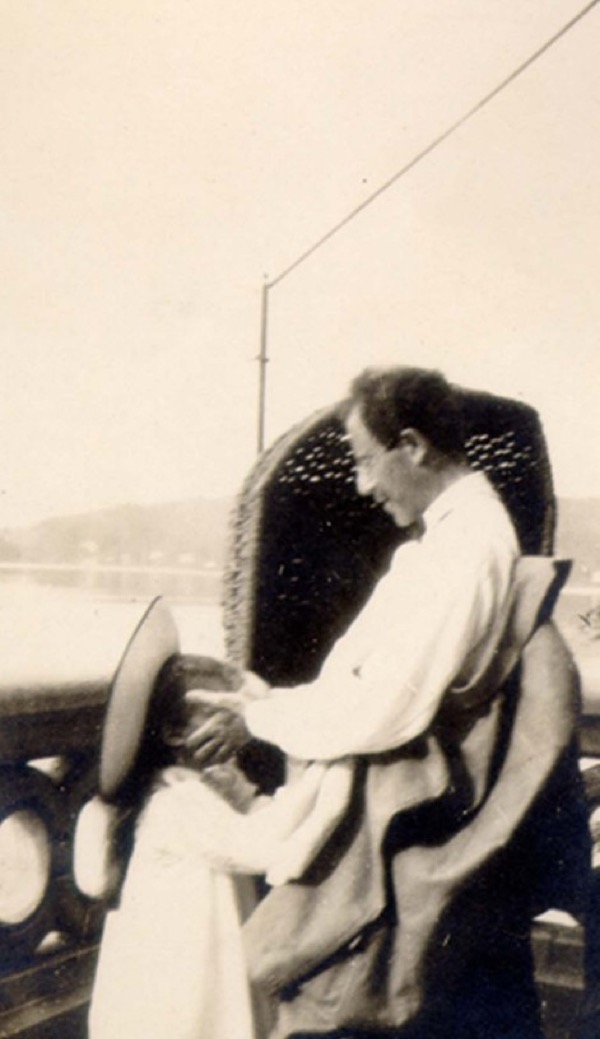
Composer Gustav Mahler is famous for his monumental symphonies that reshaped late-Romantic music. Yet he wrote his final symphonies in the shadow of a devastating tragedy: the 1907 death of his daughter Maria Anna Mahler, nicknamed Putzi. The loss shattered
Articles
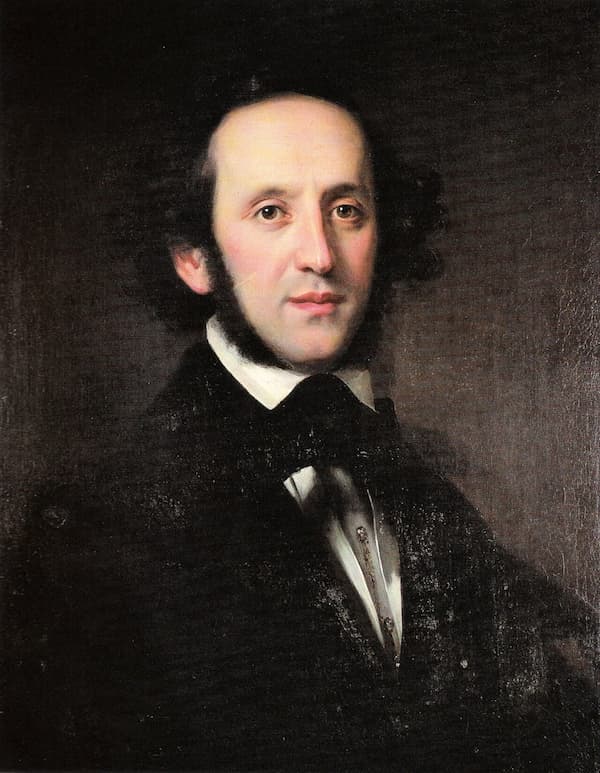
For a composer who wrote one of the most beloved violin concertos ever, brought works by Bach and Schubert into the mainstream, and grew up as one of the most impressive child prodigies in music history, Felix Mendelssohn is still
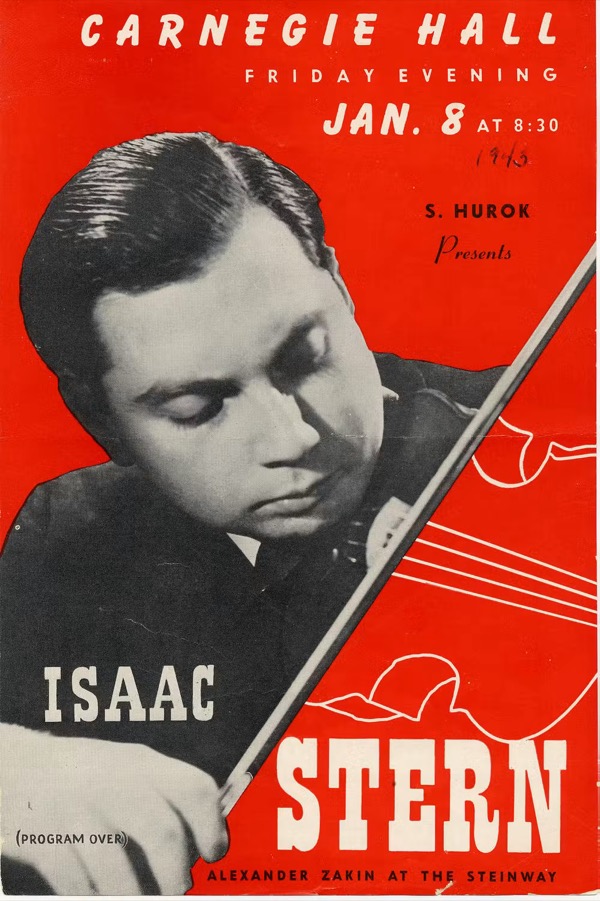
When one of the most famous performance spaces in America came under threat in the 1960s, it was one violinist who marshalled support and stopped the imminent destruction of Carnegie Hall. Located at the corner of 57th Street and 7th
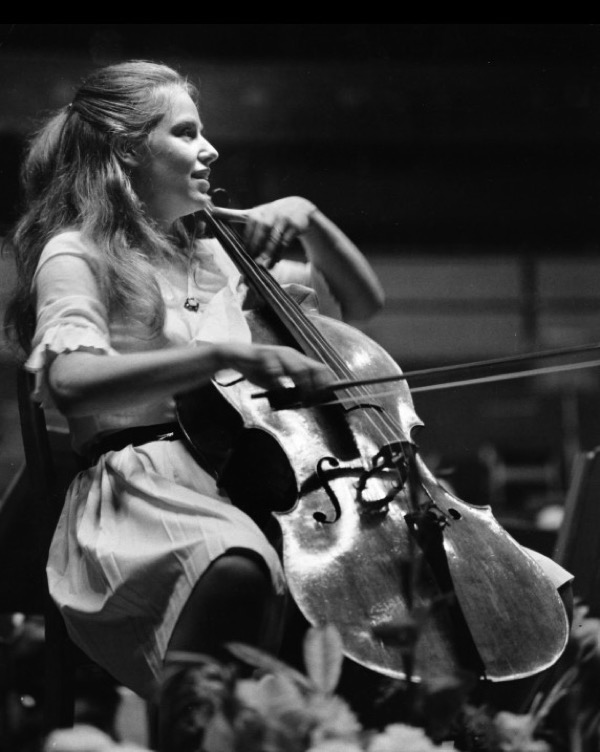
The twentieth century was a turning point in the history of the cello. For the first time, cellists could be widely heard through recordings, radio broadcasts, and international touring, allowing their playing styles to be preserved, compared, and debated across
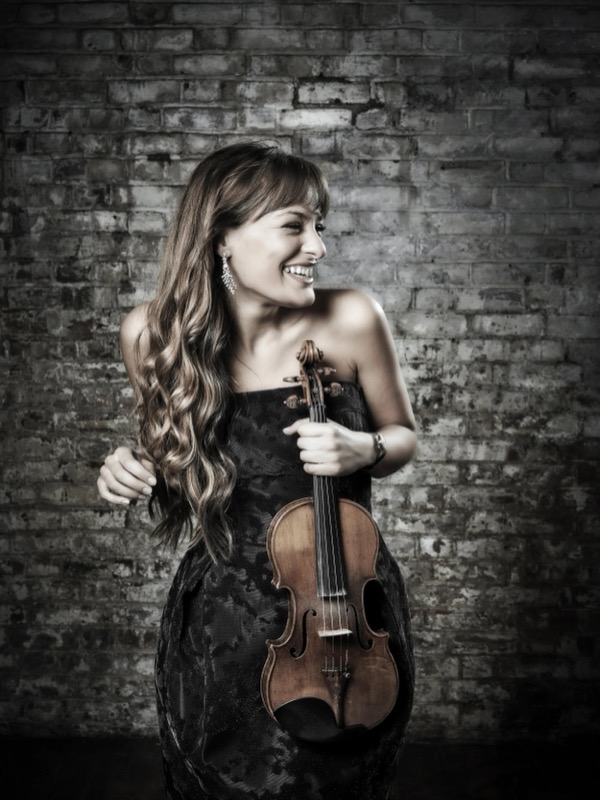
Released in 2025, Nicola Benedetti‘s Violin Café is one of her most personal and unusual projects to date. In a shift away from the large-scale concerto repertoire that has dominated much of her discography, Benedetti curated a programme that abandons
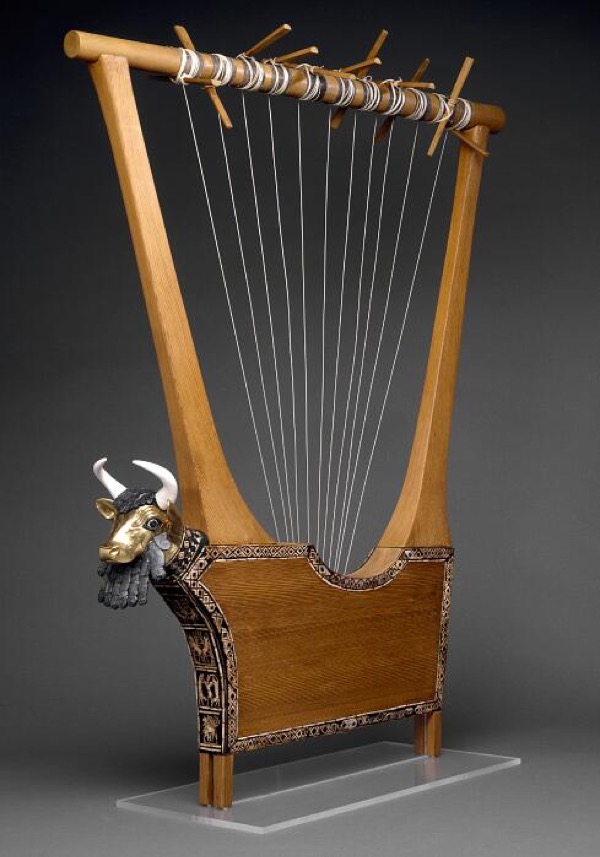
One would be hard pressed to argue that the harp is not one of the most unique – and beguiling – of the instruments currently still in frequent use in the Western classical canon. Although you can find one in
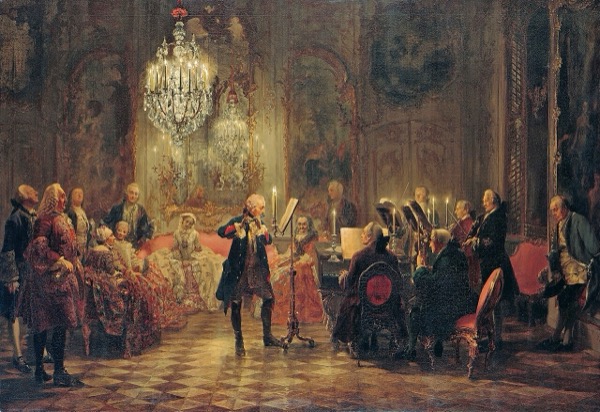
Baroque music – composed roughly between 1600 and 1750 – is some of the most recognisable and beloved music ever written. You almost certainly know more of it than you think. The driving pulse of Bach’s Brandenburg Concertos, the soaring
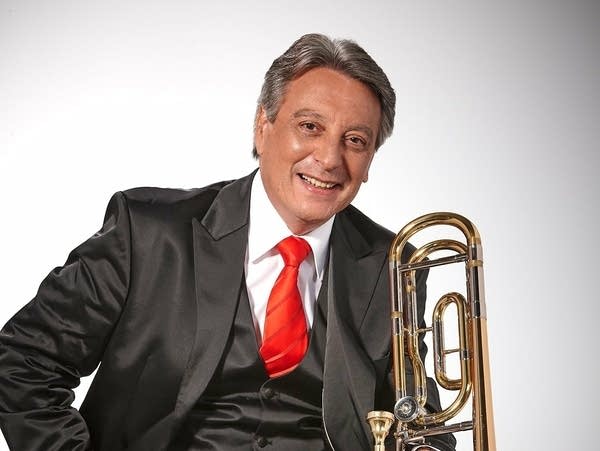
Uruguayan composer Enrique Crespo (b. 1941) was the founder of the ensemble German Brass in 1974, playing trombone in the group. In 1977, seeing a need for more brass ensemble music, he wrote the American Suite No. 1 for brass-wind