
At the height of his career, cellist Gregor Piatigorsky (1903-1976) was widely considered one of the greatest string players of all time. His playing possessed a glorious low-register sound, and his vibrant tone had infinite shadings. Piatigorsky was able to
Articles
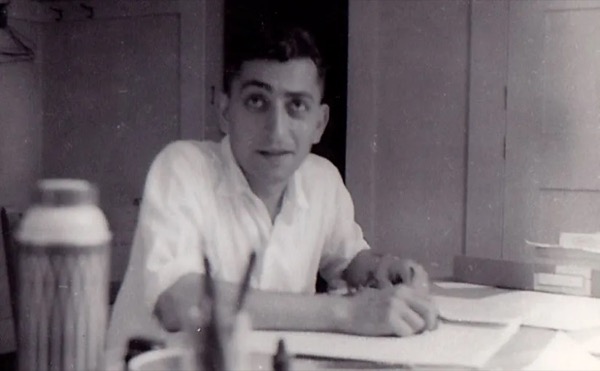

Brenden Gunnell finds a sense of belonging in England as he explores Midland composer Andrew Downes’s vocal music and prepares for the role of a lifetime, the ultimate ascent for a heldentenor By a circuitous route from the USA’s Midwest,
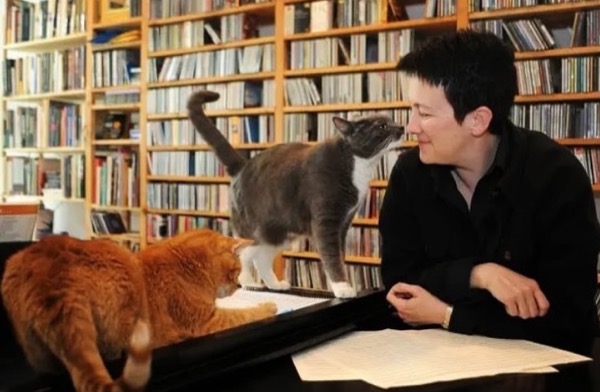
For centuries, people have loved living with cats. The great composers have been no exception. Today, to celebrate International Cat Day (August 8th), we’re looking at fifteen great composers who lived and worked with cats…and how those cats may have
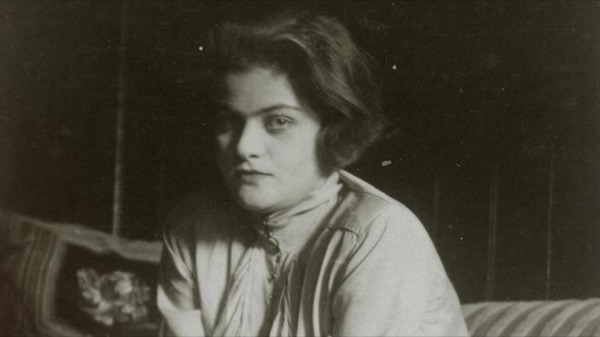
Gustav Mahler was one of the most towering figures in classical music history – but the daughter who outlived him by nearly eight decades carved out a remarkable life entirely on her own terms. Anna Mahler, nicknamed Gucki as a

As the popularity of classical music declined and that of film music grew, it became increasingly common for listeners to encounter classical music for the first time through film scores and soundtracks. Whether specially composed for the screen or borrowed
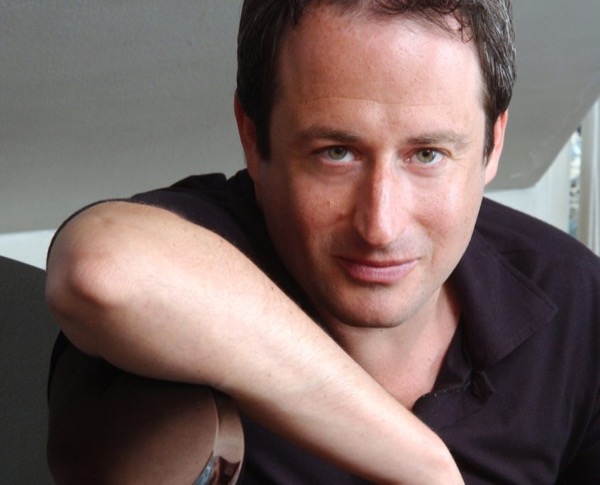
Born on 3 August 1970 in Vilnius, Lithuania, Itamar Golan has collaborated with the most outstanding instrumentalists of our time for more than three decades. Since his early years, Itamar Golan’s passion has been chamber music, and his contributions are
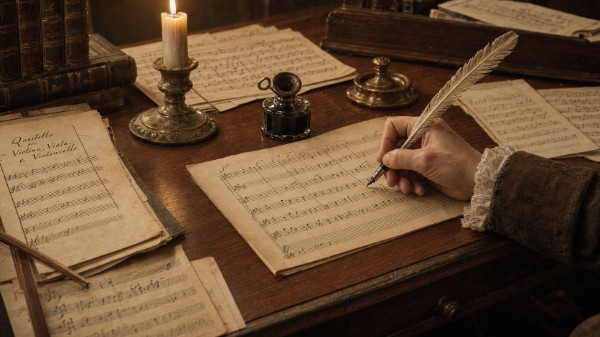
If composing were a video game, writing a symphony is the final boss: the hardest challenge to meet, requiring the composer to use everything they’ve learned about their craft. Historically, symphonies have been the form composers feared above all others
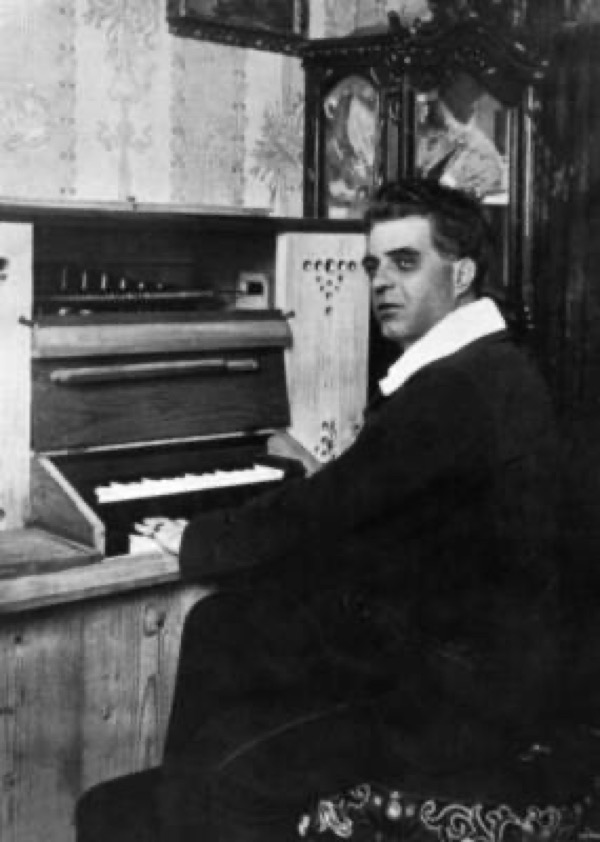
Pietro Mascagni wrote fifteen operas, an operetta, several orchestral and vocal works, as well as songs and piano music. Yet, he is best remembered for his 1890 masterpiece Cavalleria Rusticana. Cavalleria Rusticana became the prototype for operatic verismo, and its