
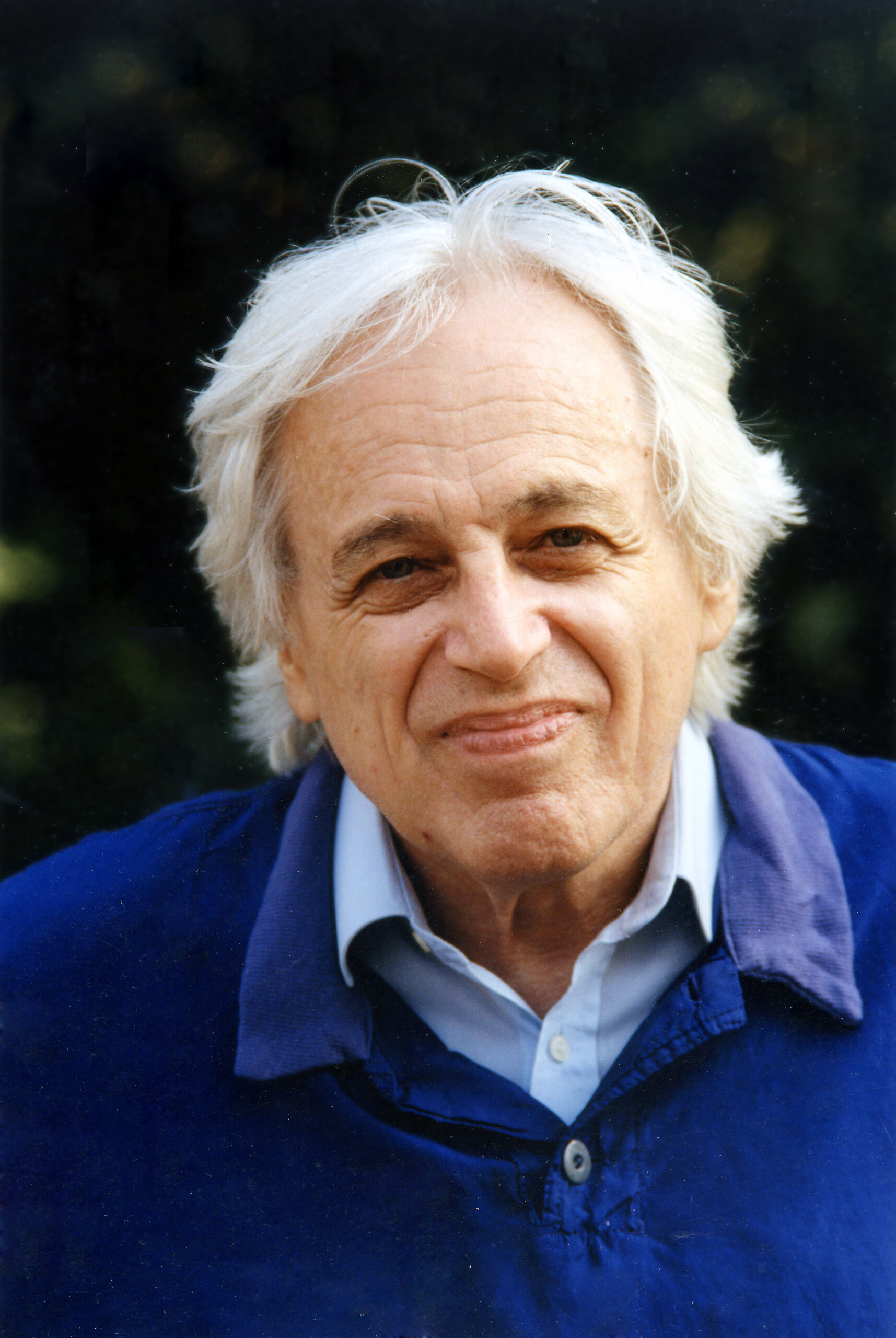
György Ligeti, one of the most innovative and influential avant-garde composers in the latter half of the twentieth century, died on 12 June 2006 in Vienna. And if you don’t know his name, you probably have heard some of his
On This Day
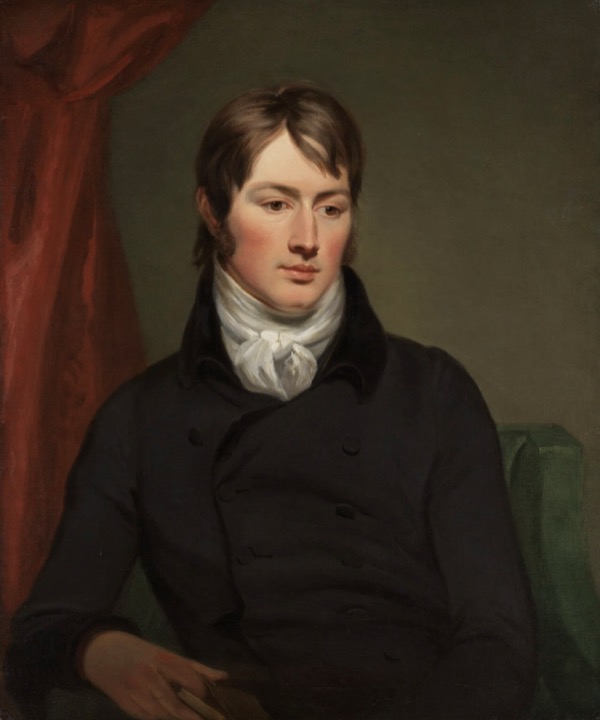
On 11 June 2026, we honour the birth of John Constable (1776-1837), one of Britain’s most important landscape artists. Some contemporaries found his work as exhilarating as a lungful of oxygen, while others were baffled by his uncompromisingly realistic treatment
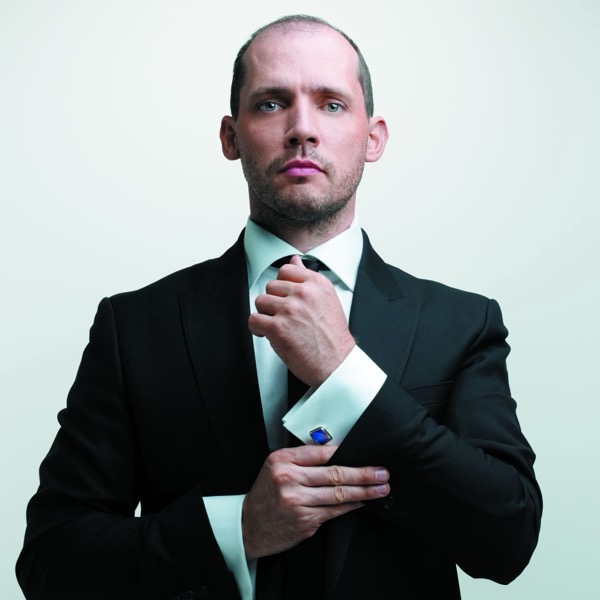
The exceptional French baritone Stéphane Degout, born on 9 June 1975 in Bourg-en-Bresse, France, has built a remarkable career spanning a richly diverse repertoire. It encompasses everything from Baroque music and Mozart to French Romanticism to contemporary works. Beyond opera,
On weekends, I just love to get up late and lounge in my pyjamas for most of the day. After making plenty of coffee, I like to sit down at the piano and explore pieces I don’t play every day.
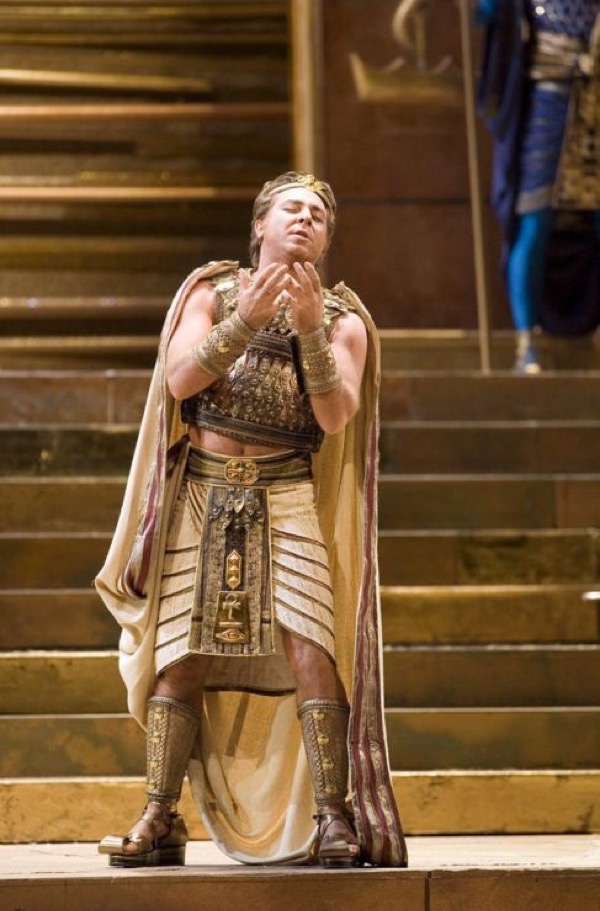
The French operatic tenor Roberto Alagna, born on 7 June 1963, is celebrated for his lyrical voice and passionate performances. His warm timbre and impeccable diction have made him a leading figure in modern opera. Giuseppe Verdi has always been
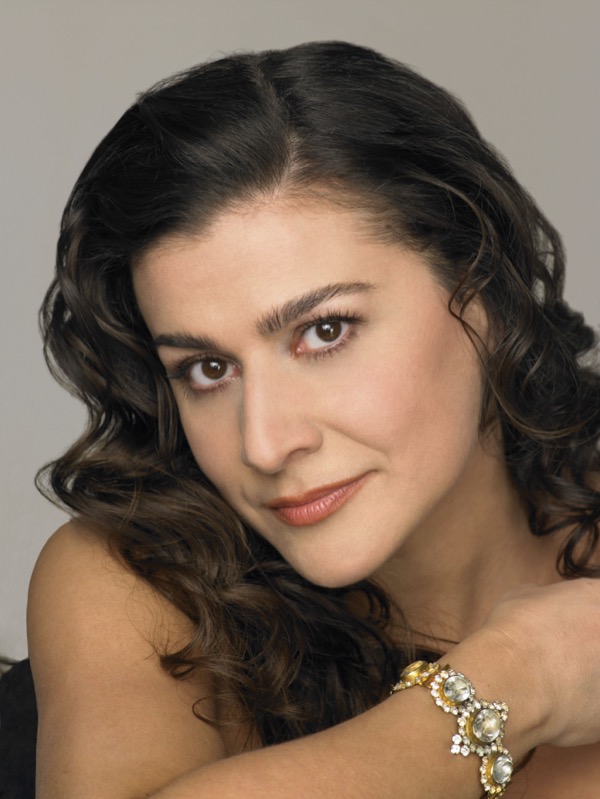
Cecilia Bartoli, born in Rome on 4 June 1966, was already an established star when she turned seriously to Mozart‘s music. Initially, she focused on Mozart’s mezzo roles, which often portray passionate or conflicted characters. However, she soon began to
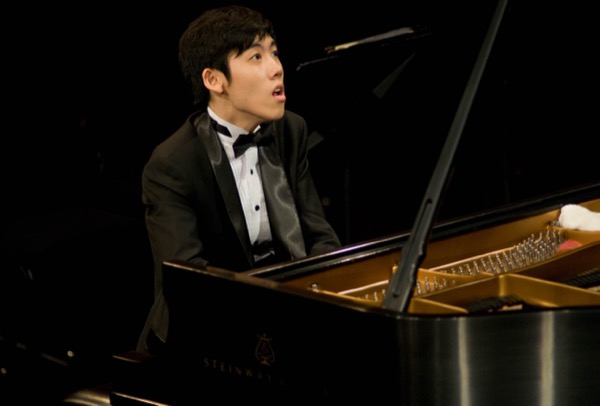
In 2009, Chinese pianist Zhang Haochen and Japanese pianist Nobuyuki Tsujii shared the Gold Medal at the 13th edition of the famous Van Cliburn Competition. With the Silver Medal going to South Korean pianist Yeol Eum Son, it started what

French pianist Michel Dalberto, winner of the Clara Haskil Prize and the First Prize in the Leeds International Piano Competition, selected the music of Franz Schubert for his first commercial recording. His recording of two piano sonatas by Franz Schubert