
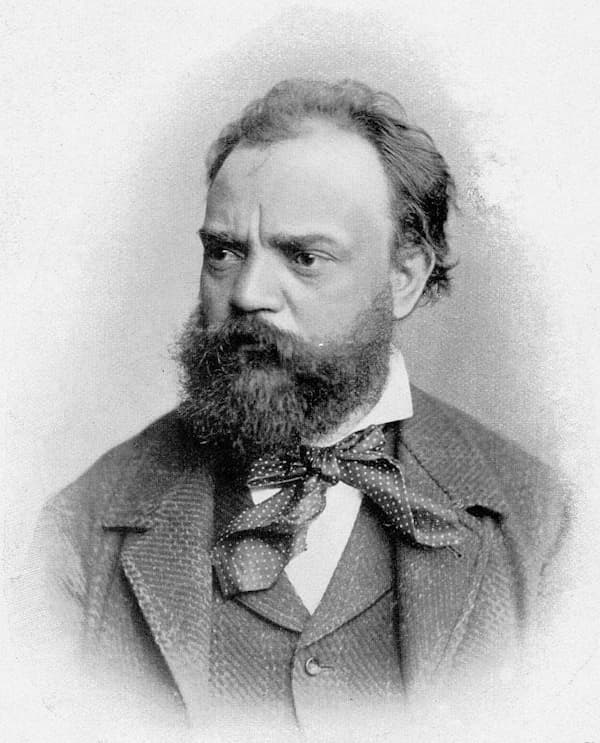
In the spring of 1892, about 6 months before he departed to lead the National Conservatory in America, Czech composer, Antonín Dvořák’s music publisher asked him to write a little ‘humoresque’. He complied with a lovely little piano piece in
Blogs
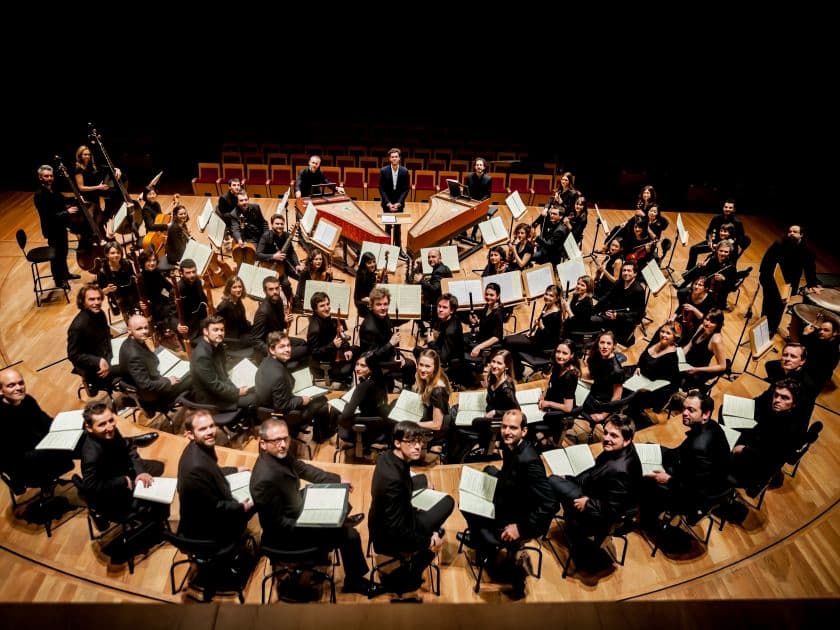
Composers can spend months or years crafting the perfect ending to a symphony. It’s easy to understand why the ending is so important. Those last few minutes of a piece are the ones that audiences will walk away thinking about.
Part of the “Sure Mesure” series available on ARTE Concert, this stunning 33 minute performance features pianist Alexandre Tharaud and dancer Chun-Wing Lam. “Bach in the Ruins” was recorded at the Fonderie Saint-Lubin, located about 30 kilometres from Paris, a

Today we’re looking at some of the most famous dreams in classical music! Take your melatonin, put on your comfiest pajamas and silkiest sleep mask, and let’s get started. Giuseppe Tartini: Devil’s Trill Sonata (ca. 1740s) According to legend, violinist

The Latvian violin virtuoso Baiba Skride is known for her exceptional artistry, technical brilliance, and captivating performances. Music was always in her blood, as her grandmother taught her to sing, her mother was a pianist, and her father a choral
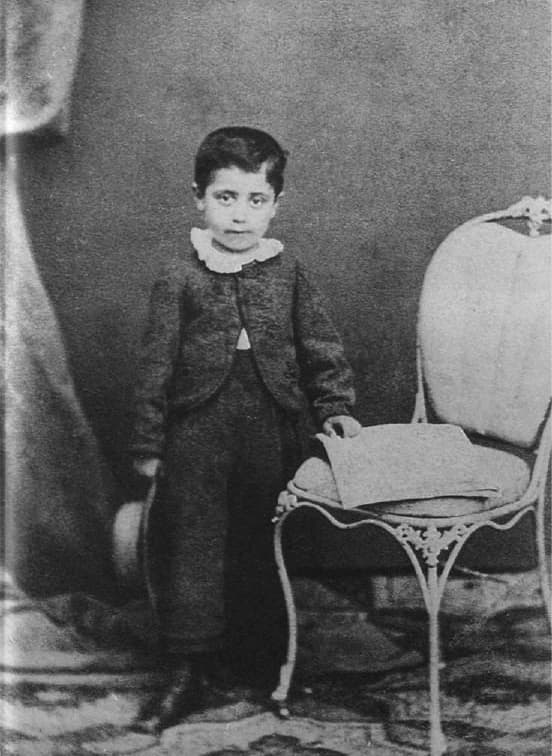
It’s not easy to be a composer, and many have had dramatic lives full of pain and struggle. But some composers have had worse times than others, especially in their vulnerable childhood years. Today we’re looking at five composers who
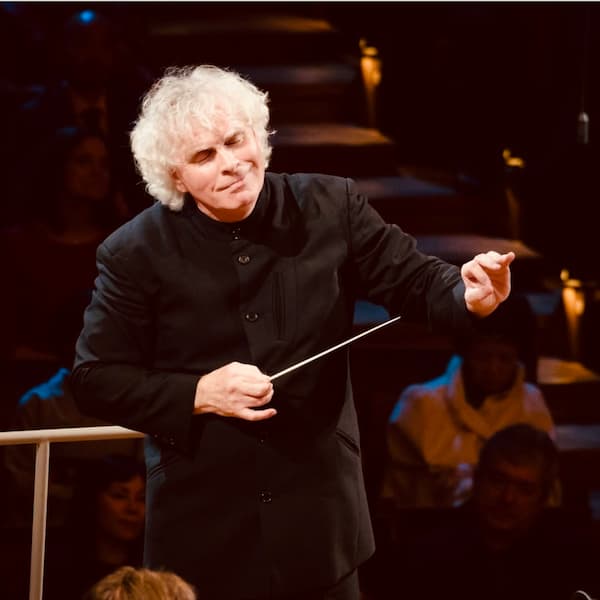
When audiences are transported by a concert, they imagine that a kind of magic happens onstage attributed to the conductor. Sometimes that is true. But many other attendees wonder: what does a conductor actually do? We’re in luck. Several conductors
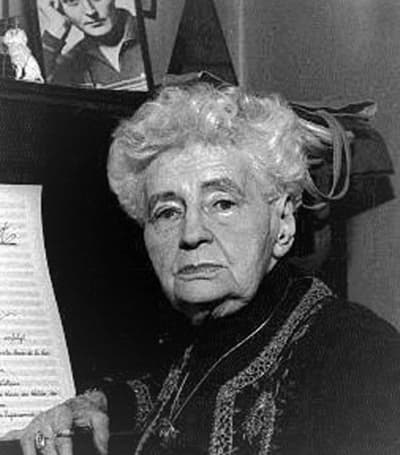
With the dramatic title of Le violon de la mort (The Violin of Death), Austrian composer Grete von Zieritz (1899–2001) shows us in the subtitle, Dances macabres, that it’s part of the long line of music written for the dead.