
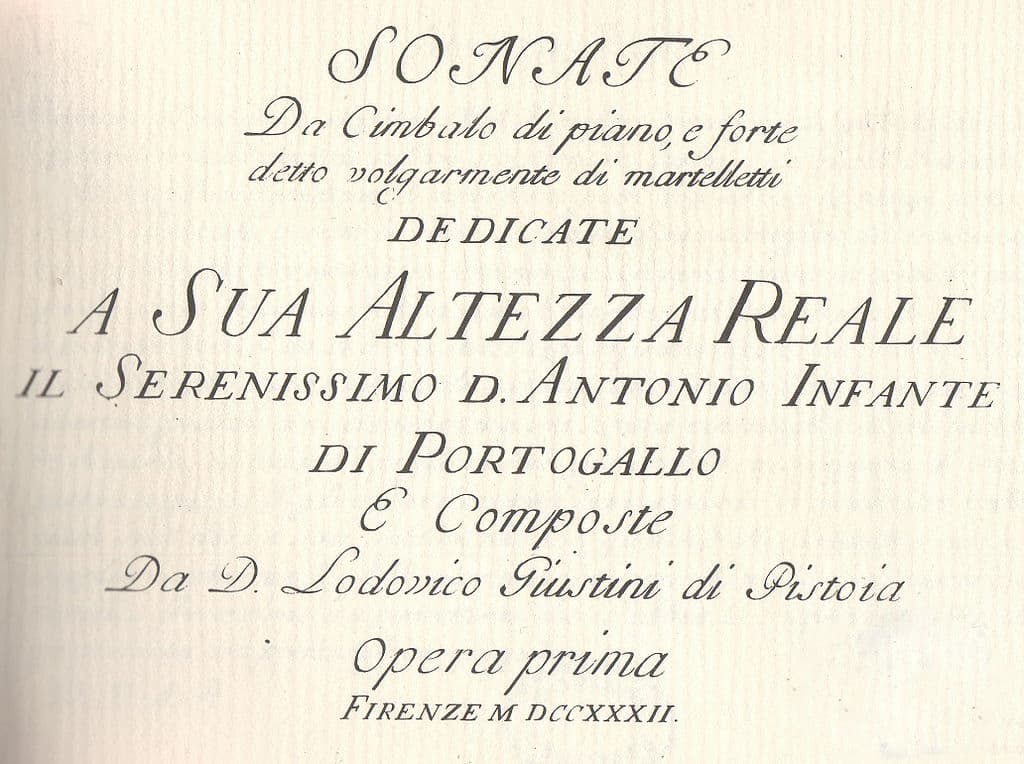
1685 was a particularly stellar year for classical music, as it saw the births of Johann Sebastian Bach, Georg Frideric Handel, and Domenico Scarlatti. However, there is at least one more composer born in 1685 who played a highly significant
Blogs
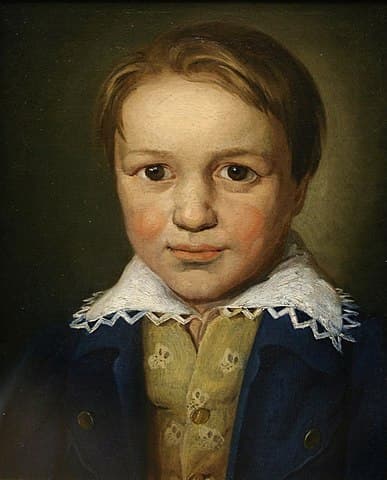
Sometimes, it’s tempting to think of Ludwig van Beethoven as someone who just emerged from a god’s forehead, a la Athena. But in reality, Beethoven came from a very human family, just like everyone else – and a deeply dysfunctional

We found some Sound Effects albums the other day and were exploring the sounds that they collected. Under Bells, we found bells from all continents and bells of all sizes, from small meditation bowls to bike bells to doorbells to
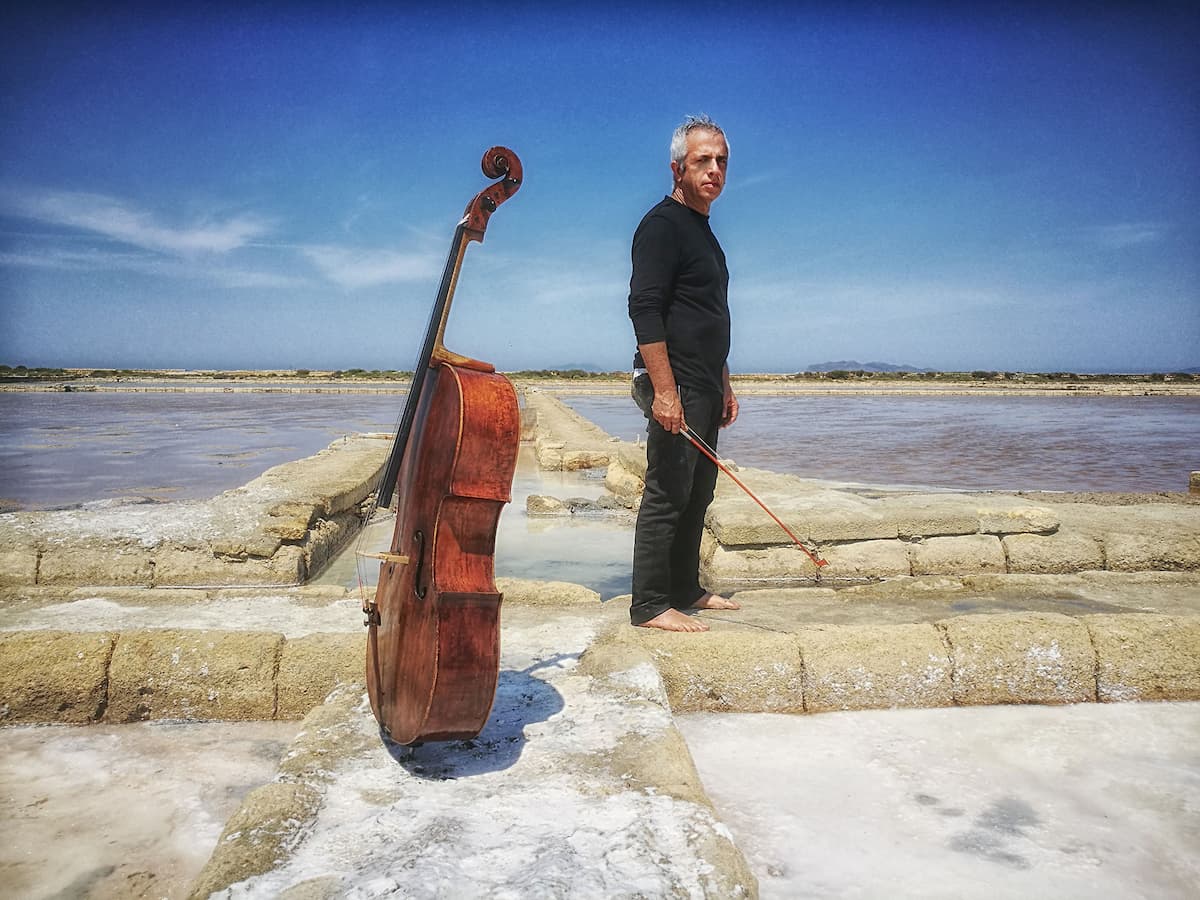
The Internationally renowned cellist Giovanni Sollima flouts categorization. His mesmerizing personality and his genre-defying music sets him apart. A lean figure with salt and pepper hair, he appears on stage alone, dressed in black, and he beguiles us with his
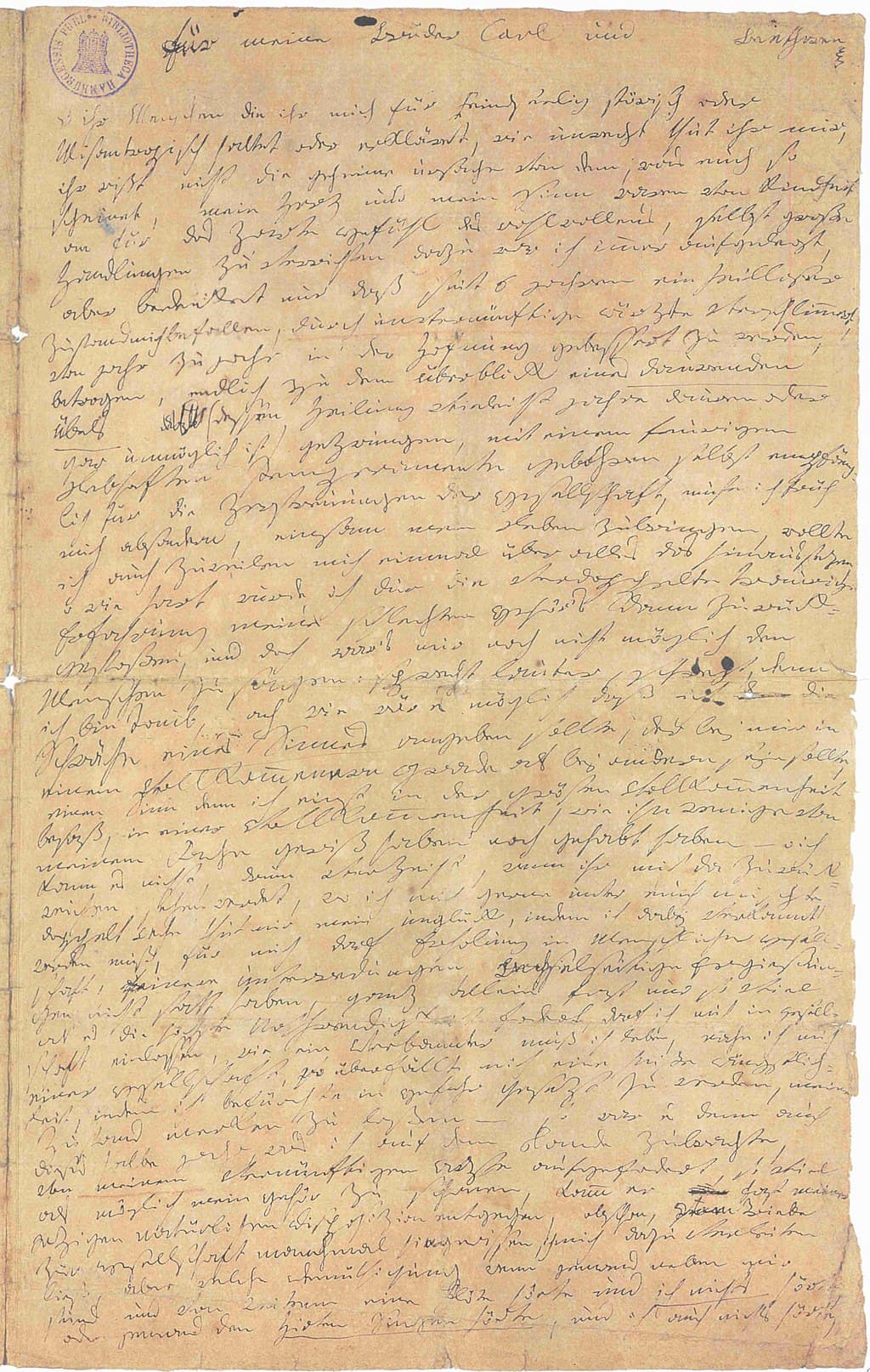
When he was thirty-one years old, Ludwig van Beethoven cracked. In a touristy town just outside of Vienna, he sat down and wrote arguably the most famous letter in classical music history. It was a cry from the depths of
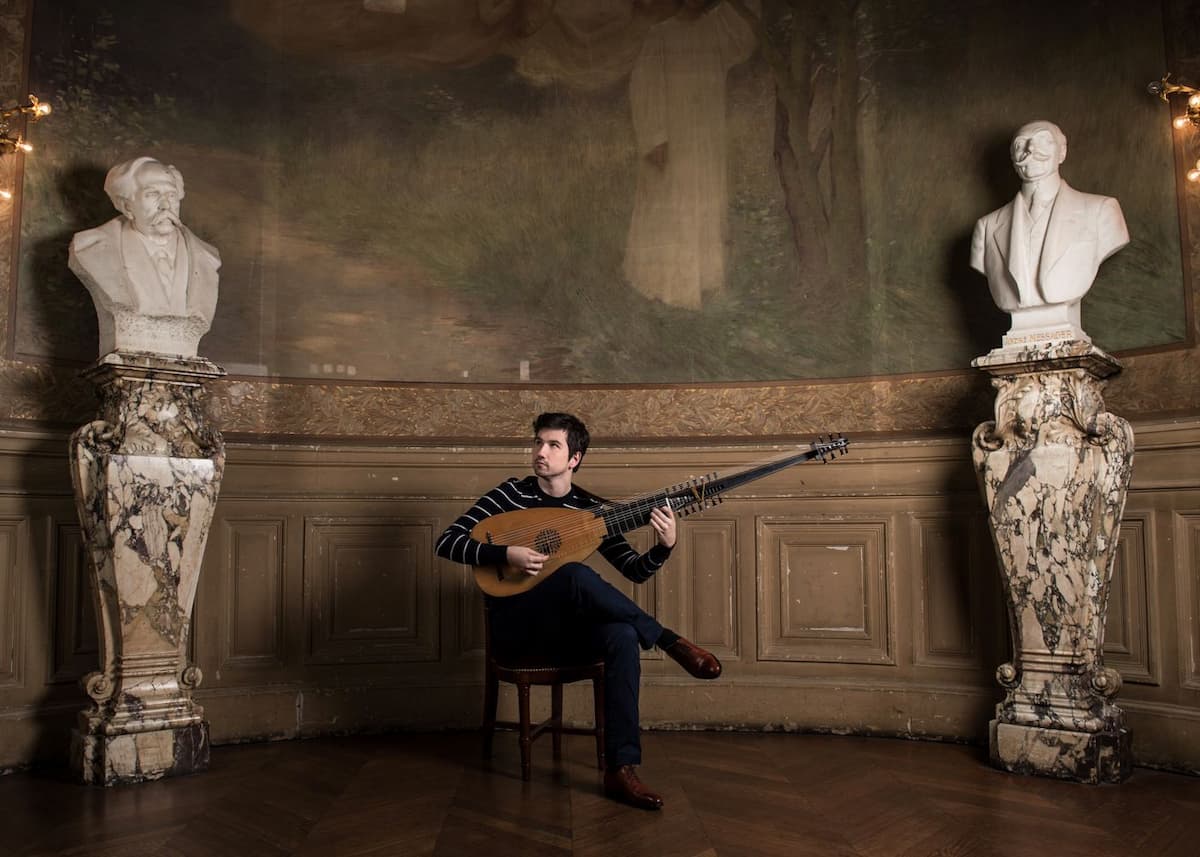
Lutenist and theorbist Thomas Dunford has brought a new life to music that seems to have had its best exposure about 20 years ago. His skill on these two Renaissance instruments brings back many pieces of music we’d heard long
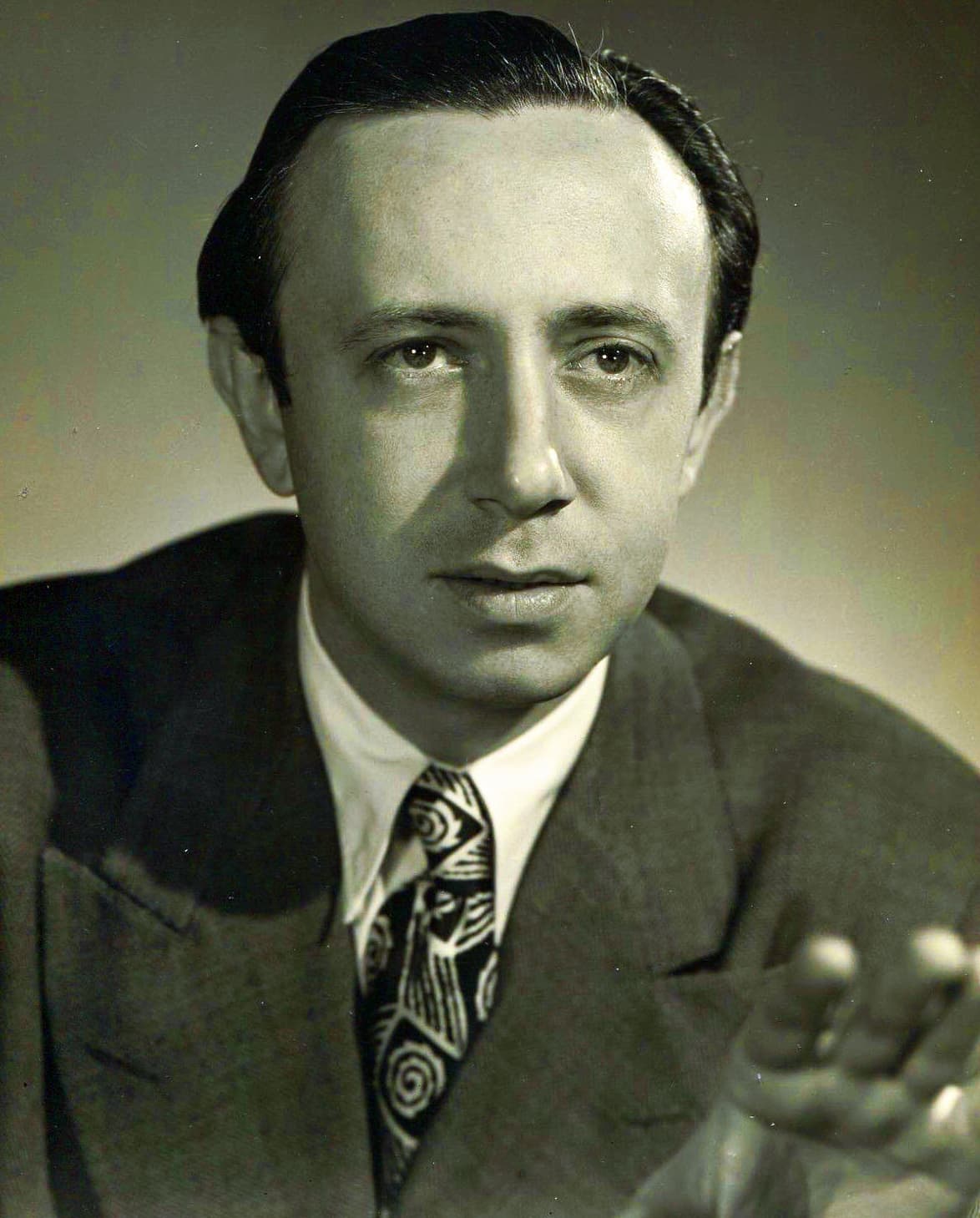
The new interior designs of the 1930s, particularly in space-conscious New York, reduced the size of many rooms of the apartment and created the three-piece dinette (a table and two chairs) to replace the 8- to 10-seater dining table, with
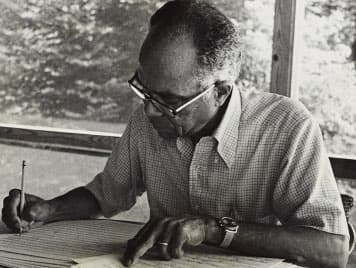
American composer Ulysses Kay (1917–1995) studied with Paul Hindemith at Tanglewood and Yale and, following WWII, With Otto Leuning at Columbia. From 1946 to 1952, he was in Rome, having won the Prix de Rome not once but two times