Canadian composer and songwriter Bonnie Milne’s new single Glimpses grows out of memories that are both ordinary and strongly personal: watching her sons play outside as children, joyful gatherings with her parents, the taste of her mother’s baking, and walks holding her father’s hand. Rather than beginning with a specific story or musical plan, the piece emerged gradually from the feelings attached to those memories.
“I began playing the first few notes and phrases and heard a longing sound within them,” Milne says. “I realised they were coming from memories I had from those instances you mentioned.” As she continued composing, more memories emerged. “I was flooded with more memories and a sense of gratitude for what once was.”
That combination of longing and gratitude is at the heart of Glimpses. The title refers to those quick moments when memories return, sometimes unexpectedly, amid the busyness of everyday life. “Life is busy, but thankfully when we stop for a moment, we can experience glimpses and briefly honour the time we have had with those who come to mind,” Milne explains.
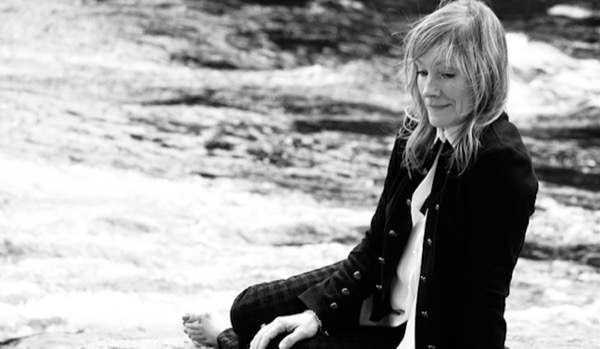
Bonnie Milne
The music itself follows an emotional path that Milne did not consciously plan at the beginning. The piano-led opening is slow and reflective, before moving into a faster allegro section. Major and minor harmonies create a shifting emotional sphere within warmth and longing.
“I did not have this emotional progression in mind when I first began composing,” she says. “It just occurred as I continued to write.” In retrospect, however, the structure reflected the memories behind the piece. “The tempo change and shifts from major to minor represent longing to gratitude, missing those to moving forward with memories in mind and heart.”
For Milne, composition begins with feeling rather than a predetermined narrative. “I write from a place of feeling,” she says. “Often I hear the music then sit down to find it on the piano, and then it is associated with recording moments.” In Glimpses, those musical ideas became a way to hold onto experiences that might otherwise remain only fleeting recollections.
The recording brings those personal memories into a collaborative setting. Recorded at Villa Sound in Collingwood, Ontario, Glimpses features cellist Kevin Fox, violinist Drew Jurecka, and percussionist Dave Hewitt, musicians Milne chose in part for their ability to respond to the emotional character she was seeking.
Milne had previously worked with Fox and Hewitt on other compositions. “They both have the ability to contribute the tone and mood I am seeking,” she says. Fox’s cello provides what she describes as a soulful presence, adding harmony and countermelodies to the piano. Jurecka’s violin brings a different quality. “Drew’s vibrant violin added a brightness to the piece, an almost playful feeling in some phrases,” Milne says. “He captured the jubilant feel within the allegro section.”
Hewitt’s percussion plays a particularly important role in the transition between the quieter and more energetic sections. “Dave’s percussion adds warmth and depth and feels like a warm hug in the slower section,” Milne says. She acknowledges that incorporating percussion into a classical setting can be difficult, but says Hewitt knows how to make it complementary rather than intrusive. “A talented musician friend of mine said that Dave’s percussion choices are how to do it properly.”

The recording process itself became another part of the creative experience. At Villa Sound, engineer Adam Fair created an environment where Milne felt comfortable and free from pressure. “He has a way of always making me feel comfortable and not pressured during recording time,” she says. She also appreciated his patience and attention during the mixing process as he worked toward the sound she envisioned.
One distinctly memorable experience came while working with Hewitt in the studio. “Dave joined me in the studio and watching him record and hearing what he was producing was really special,” Milne recalls. “There is a communal magic that happens in the studio.”
That communal experience also changed the way Milne heard her own composition. After the recording was finished, listeners began describing the allegro section in a way she had never considered while writing it. “Many listeners have said that the allegro section feels like it’s time to dance!” she says. “I hadn’t heard that while composing but can appreciate it now.”
That response adds another dimension to Glimpses. What began as a private reflection on family, memory, loss, gratitude, and the passage of time becomes something that listeners can experience in their own way. The music may begin with looking back, but its movement toward the allegro suggests something more forward-looking: memories do not simply keep us in the past. They can accompany us as we continue moving through life.
For Milne, Glimpses ultimately captures that balance. The memories remain, but so does the possibility of creating new ones.
For more of the best in classical music, sign up for our E-Newsletter