The pianist Friedrich Gulda, born on 16 May 1930 in Vienna, studied under Bruno Seidlhofer and Joseph Marx, and would in time become the highly esteemed teacher of Martha Argerich. Gulda would, arguably, also become the greatest Beethoven interpreter of the second half of the twentieth century.
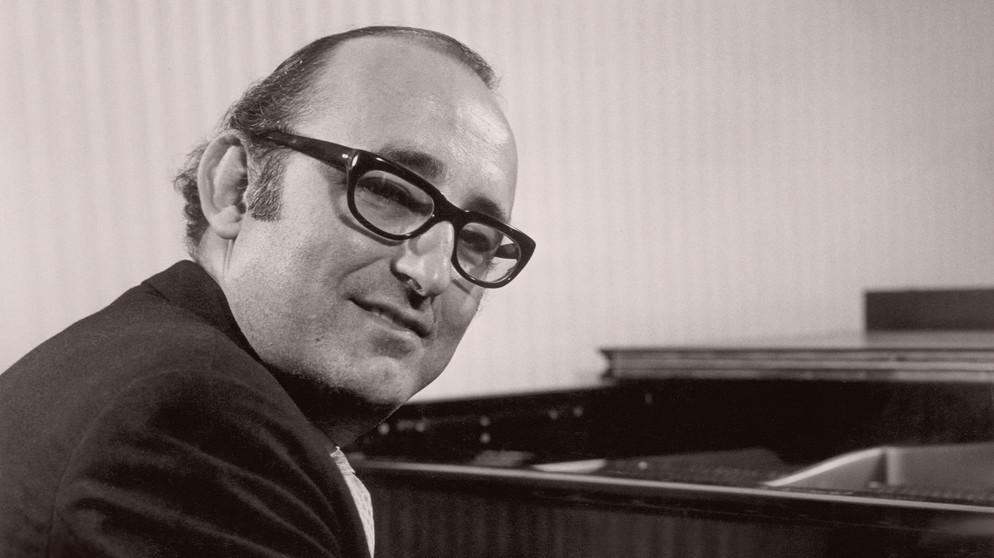
Friedrich Gulda
Gulda caused a sensation with his recordings of the complete Beethoven sonata cycle. His unadorned, yet sonically incredibly nuanced interpretations were a radical rejection of the self-importance of Romantic interpreters.
Gulda played a fresh and vibrant Beethoven that sounded improvised and spontaneous. To celebrate his birthday, let’s have a look at what made Gulda’s Beethoven so revolutionary.
Friedrich Gulda plays Beethoven: Piano Sonata No. 31, Op. 110 “Moderato cantabile”
Against Romantic Tradition
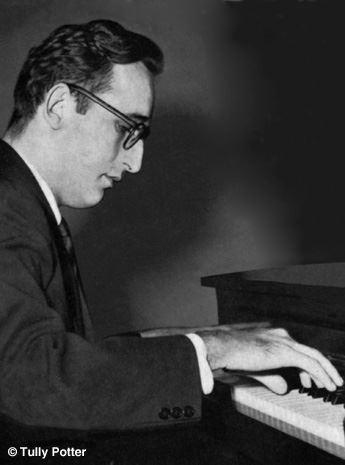
Friedrich Gulda
I use the word “revolutionary” carefully, as Gulda paid exquisite attention to the musical text. However, he rejected the traditions that had grown around Beethoven and the performance of his music.
For one, Gulda stripped away the Romantic conventions of playing Beethoven with heavy sonorities and slow tempi. At the core of these interpretations was always a sense of great monumentality.
Gulda moved in the opposite direction by favouring lean textures and the minimal use of the pedal. In addition, he played movements close to the indicated yet controversial tempo markings given by Beethoven and early editions.
Ludwig van Beethoven: Piano Sonata No. 26 in E-Flat Major, Op. 81a, “Les adieux” (Friedrich Gulda, piano)
Driven by Pulse
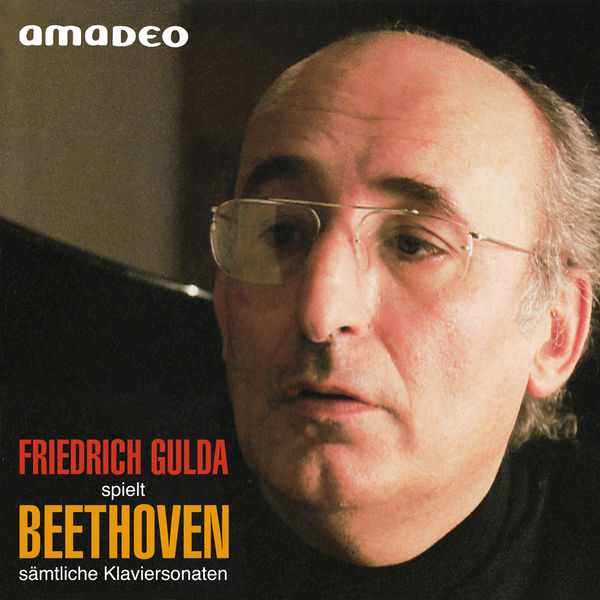
Gulda plays Beethoven
Moving away from the heavy Romantic weight that had informed Beethoven performances in the first half of the twentieth century, Gulda presented music that was urgent and structurally driven.
Instead of endlessly stretching phrases for expressive effect, Gulda’s interpretations were propelled by an inner pulse. This focus on a rhythmic foundation brought fast movements to life.
Yet even in slow movements, a prevailing rhythmic drive assured that the music never descended into effusive sentimentality. Rhythmic clarity was always at the core of Gulda’s Beethoven interpretations.
Friedrich Gulda plays Beethoven: Piano Concerto No. 4, Op. 58 “Rondo”
Transparent Structures
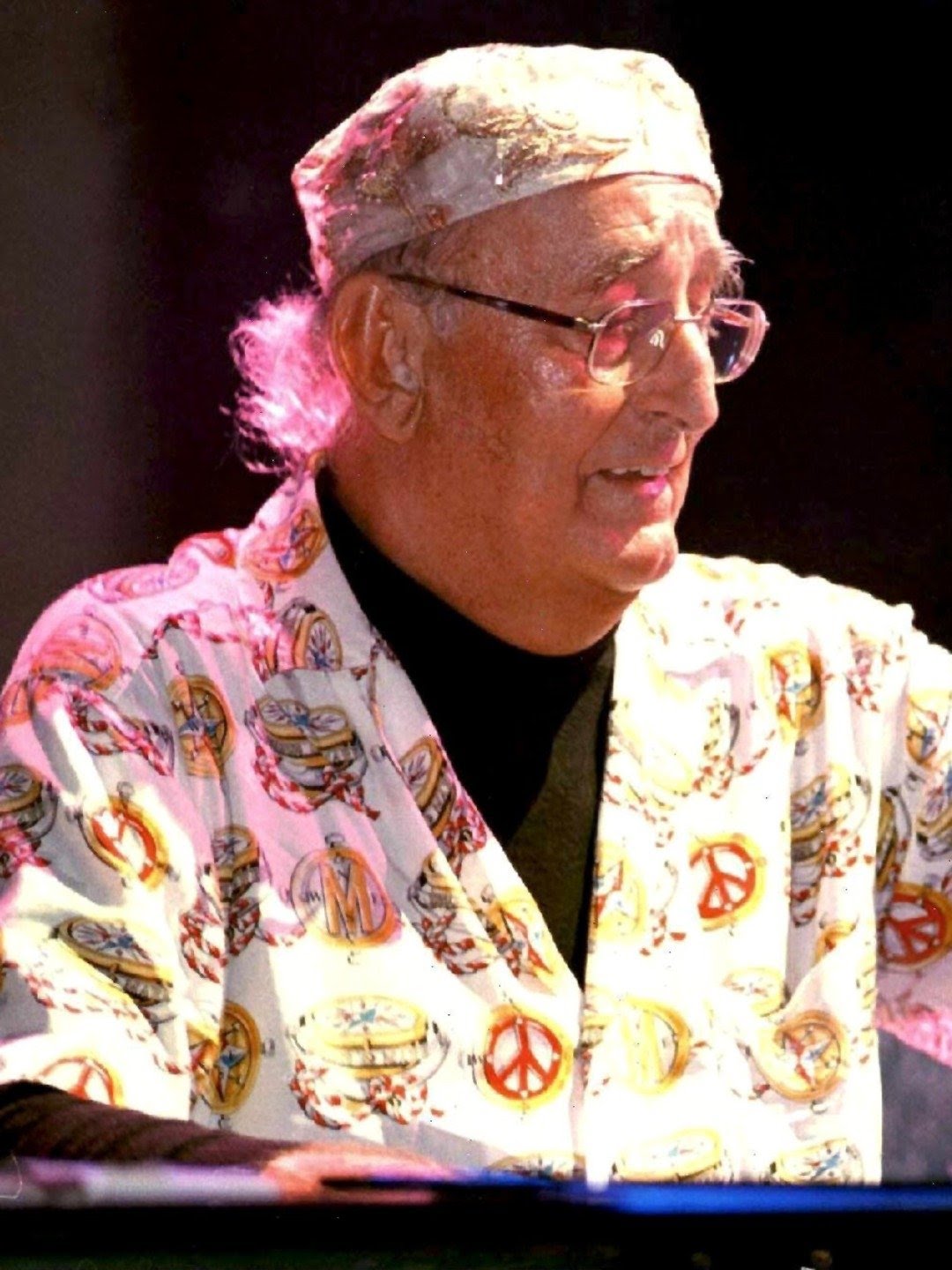
Friedrich Gulda
Pedal-heavy performances tended to blur contrapuntal lines and the inner voices. Gulda approached texture from the opposite end. His inner voices are sharply defined and coloured, and contrapuntal lines clearly articulated.
Harmonies do not run together like watercolours, but become transparent soundposts of a larger structure. For Gulda, these structural relationships in Beethoven’s music were of primary and fundamental importance.
Gulda was fastidiously faithful to the musical text, yet he refused to believe that Beethoven was untouchable. Instead of projecting grandeur and greatness, he engaged with the music on a performative, almost improvisatory level.
Ludwig van Beethoven: Piano Sonata No. 3 in C Major, Op. 2, No. 3 (Friedrich Gulda, piano)
A Living Beethoven
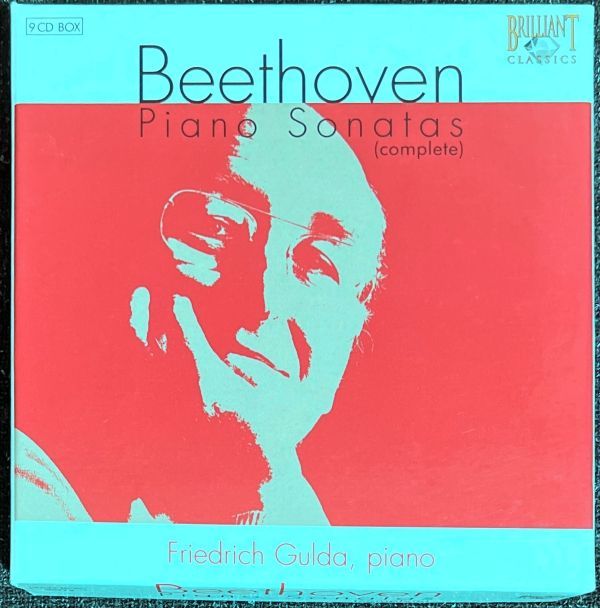
Friedrich Gulda plays Beethoven Piano Sonatas
Particularly in the late Beethoven sonatas, Gulda would favour sharper rhythmic attacks and occasionally abrupt accents. Unexpected dynamic contrasts were meant to be unsettling, and in many instances, this completely liberated Beethoven’s music.
While many listeners and critics applauded this idea of Beethoven energetically unfolding in the moment, others found it provocative and in bad taste. They also thought it was rather tasteless that Gulda would play Beethoven in the nude.
Gulda had been interested in jazz from an early age, and he brought this engagement with him when he approached Beethoven. This included a flexibility of phrasing, structurally sound, but without overt sentimentality.
Instead of treating the Beethoven sonatas as revered and unmoving monuments, Gulda approached them as living and emerging processes. In his hands, Beethoven’s music reacts and unfolds in real time, blurring classical tradition and modern sensibilities.
For more of the best in classical music, sign up for our E-Newsletter
Watch Friedrich Gulda plays Beethoven: Piano Sonata No. 29, Op. 106.