The Madrid International Festival of Sacred Art (FIAS) is a major annual festival dedicated to sacred Baroque music. Presenting vocal and instrumental music in historically informed chamber settings, this particular ARTE programme explores lesser-known works by George Frideric Handel.
George Frideric Handel composed his greatest masterpieces not in his native tongue, but in the languages of his two favourite nations, Italy and England. In this programme, we discover chamber music set to German-language texts, and interspersed with instrumental meditations.
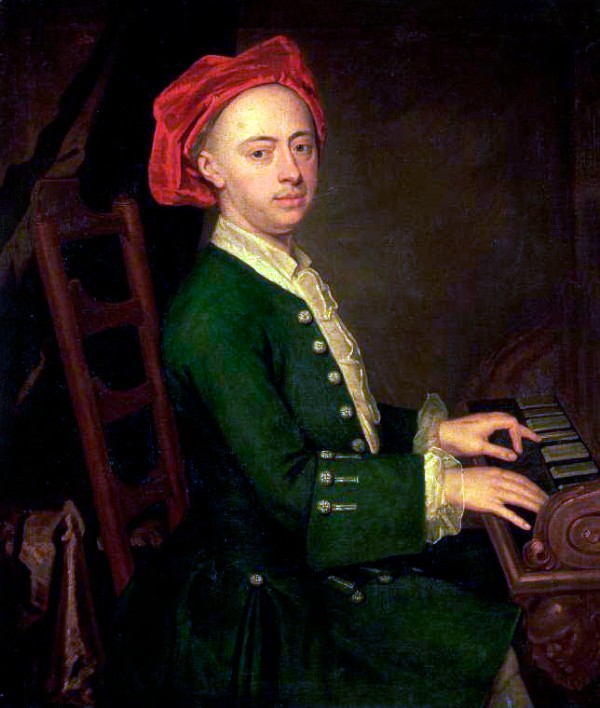
George Frideric Handel
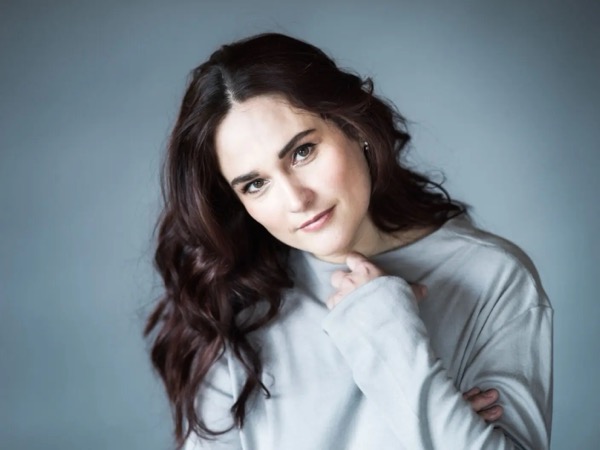
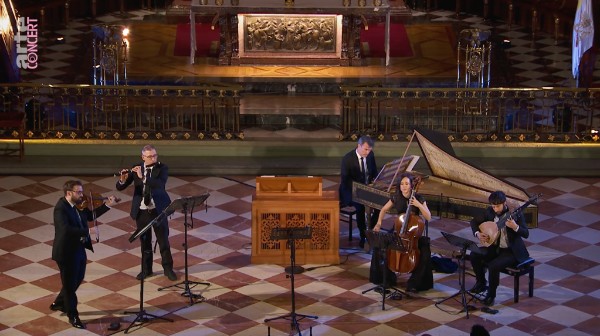
Daniel Pinteño conducts the ensemble “Concerto 1700,” and soprano Ana Vieira Leite brings to life the intimacy and rhetorical clarity of Handel’s sacred German miniatures.
Handel: German Arias
Available until 11/02/2027
From Halle to London
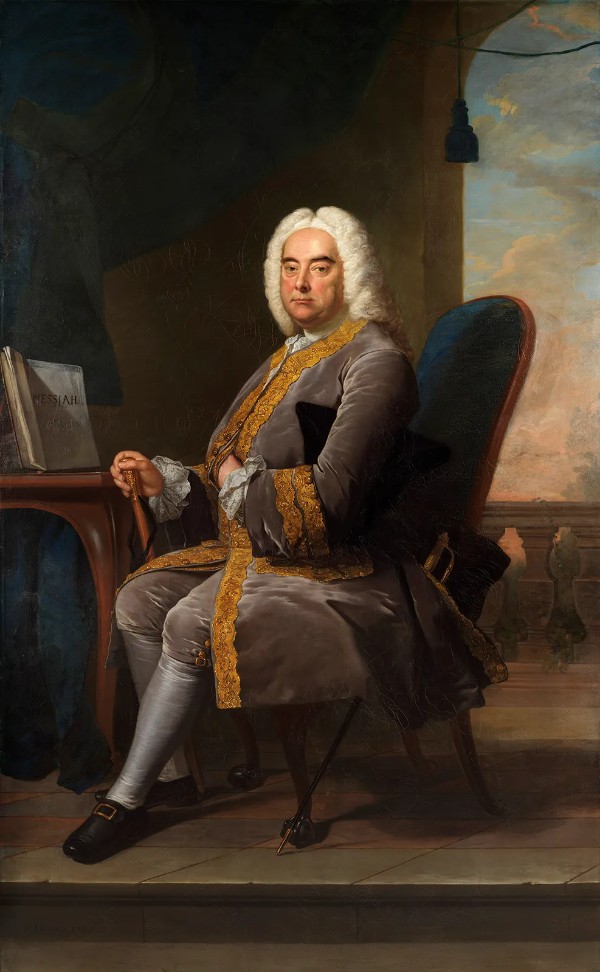
George Frideric Handel
Georg Friedrich Händel, lest we forget, was Saxon-born and trained as an organist in the town of Halle. He did compose some church music at that time, but it is now lost. And we only have one single opera from his years in Hamburg between 1703 and 1706.
Handel’s true compositional craft blossomed during his four-year trip to Italy, and he might well have settled there had it not been for his Protestant beliefs. He certainly never contemplated a conversion to Roman Catholicism.
Between 1710 and 1713, we find Handel as Kapellmeister at the Court of Hanover, but he was already pursuing a freelance career in London. In fact, his appointment as Kapellmeister, possibly arranged by Agostino Steffani, was accepted under the condition that Handel receive an immediate 12-month leave of absence to London.
Barthold Heinrich Brockes
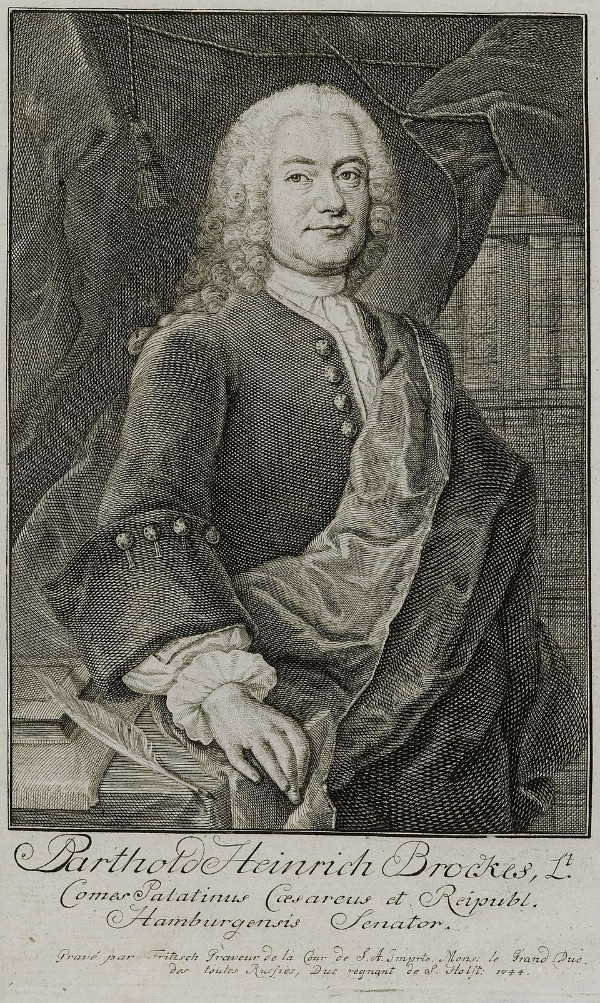
Barthold Heinrich Brockes
Barthold Heinrich Brockes (1680-1747) was a German writer and poet of the early German Enlightenment. In his major work “Earthly Pleasure in God,” he postulates that nature, in its beauty and usefulness, serves as a mediator between humanity and God.
Brockes was a member of Hamburg’s upper class, financially independent throughout his life and able to pursue his artistic and social interests. He travelled extensively, became a senator and diplomat, and eventually a regional judge.
In 1709, Brockes devoted himself increasingly to his literary interests, and he published the Passion Oratorio “Jesus, Martyred and Dying for the Sins of the World” in 1712. It is one of the most important sacred texts in early 18th-century German music, expanding the biblical narrative with psychological and sensory imagery.
The text is dramatic, theatrical, and full of direct emotional address that greatly appealed to composers. Reinhard Keiser (1712), George Frideric Handel (1716/1717), Georg Philipp Telemann (1716), Johann Mattheson (1718), Johann Friedrich Fasch (1723), Gottfried Heinrich Stölzel (1725), all set texts by Brockes. And even the famous Johann Sebastian Bach was influenced by the Brockes Passion tradition.
Spiritual Dialogue
Brockes and Handel possibly met in Halle. Brockes’ studies at Halle University between 1702 and 1704 coincided with Handel’s registered period of study there. Brockes held weekly concerts in Hamburg and Halle, and perhaps these became the catalyst for a lasting friendship with Handel.
As I mentioned above, Handel composed his Brockes Passion in 1716 in London for performance in Hamburg. As for the nine German arias, we don’t really know if they were intended for performance in Hamburg as well.
Brockes and Handel may have had direct correspondence. The nine German arias were probably composed between 1724 and 1726, but remained unpublished until 1921. Musically, they combine Italianate musical style with German contemplative rhetorical enquiry.
The arias describe natural phenomena as signs of divine presence, in which nature is not merely decorative but theological evidence of God. There is no narrative, and no events, with each aria being a self-contained meditation. The focus is personal and emotional rather than theatrical.
The FIAS performance provides an intimate and stylistically refined reading of Handel’s German Arias. Its transparent sound and historically informed restraint communicate devotional stillness rather than theatrical contrast.
For more of the best in classical music, sign up for our E-Newsletter