
Johannes Brahms, one of the most revered composers of the Romantic era, is celebrated for his rich, lyrical, and deeply emotive music. His compositions, ranging from symphonies to chamber music and solo piano works, are known for their structural complexity, emotional depth, and timeless beauty.
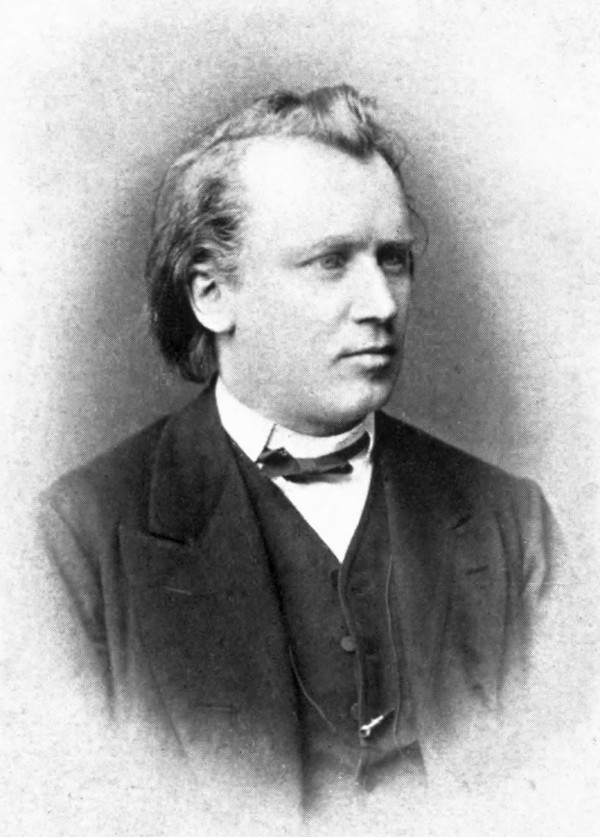
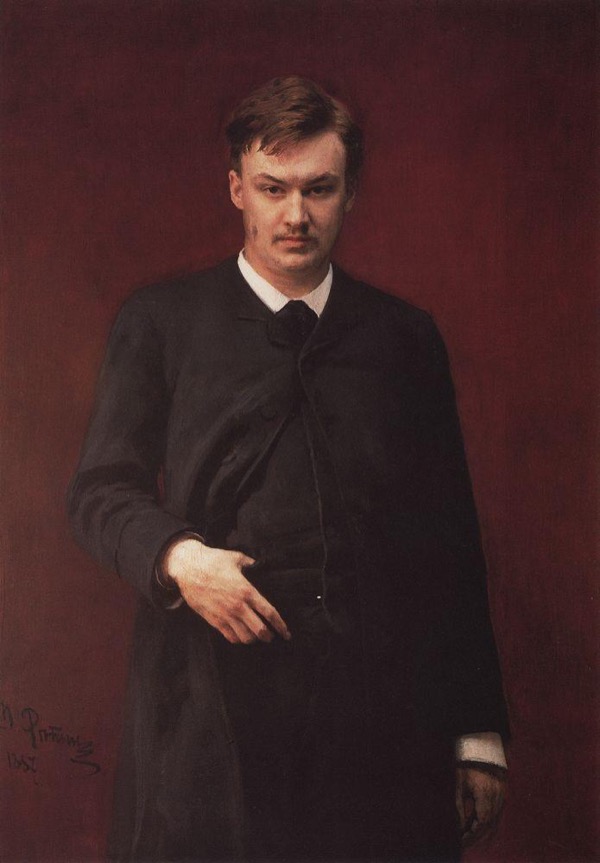
Johannes Brahms, c. 1872
For those who find themselves captivated by Brahms’ piano music, there is a natural curiosity to explore performers who can interpret his works with authenticity and sensitivity. Among the many pianists who have tackled Brahms’ oeuvre, Radu Lupu stands out as a particularly compelling figure.
Radu Lupu plays Brahms: Piano Concerto No.1 in D minor, Op. 15
Blending Intellect and Emotion
Johannes Brahms was a composer who bridged the Classical and Romantic traditions, blending rigorous formal structures with the expressive freedom of Romanticism. His music is often described as introspective, with a profound sense of emotional restraint that gives way to moments of intense passion.
Brahms’ piano music, in particular, demands a performer who can navigate its technical challenges while conveying its emotional nuances. The thick textures, complex rhythms, and subtle dynamic shifts require not only technical mastery but also an intuitive understanding of the music’s inner life.
Brahms’ compositions often feel like a conversation between the intellectual and the emotional, requiring performers to balance clarity with warmth, and precision with spontaneity. And this is where Radu Lupu, a Romanian pianist known for his poetic and introspective approach, emerges as a natural fit.
Johannes Brahms: 6 Piano Pieces, Op. 118 (Radu Lupu, piano)
The Enigmatic Poet
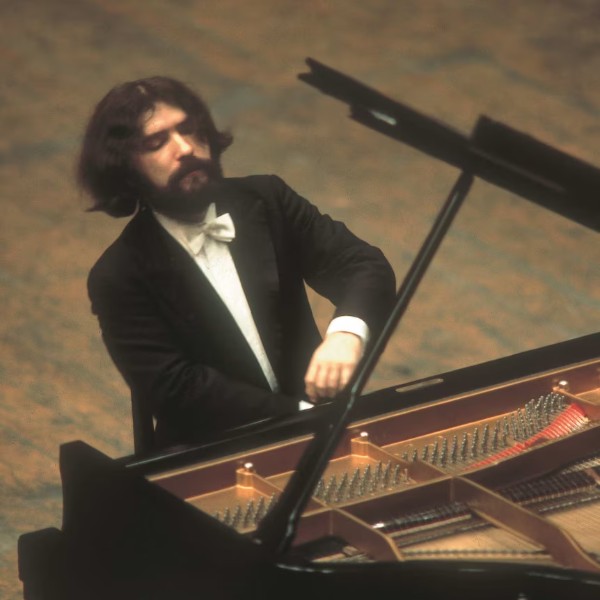
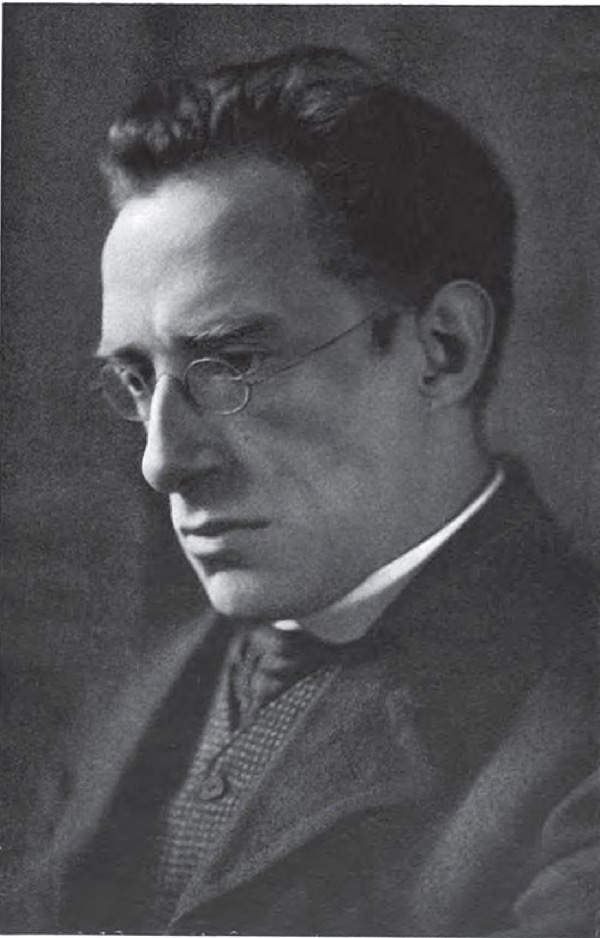
Radu Lupu
Radu Lupu was one of the most enigmatic and revered pianists of the 20th and 21st centuries. Known for his reclusive nature and reluctance to engage with the media, Lupu let his music speak for itself. His performances were marked by an extraordinary sensitivity to tone, a deep musical intelligence, and an almost spiritual connection to the works he played.
Lupu’s repertoire was carefully curated, and the music of Brahms seemed to align perfectly with his interpretive gifts. Lupu’s performances were devoid of flashy virtuosity or exaggerated gestures. Instead, he drew listeners in with a quiet intensity, coaxing a remarkable range of colours and textures from the instrument.
For Brahms’ piano music, which often oscillates between tenderness and grandeur, Lupu’s ability to create a singing tone and sustain long, lyrical lines was ideal. After all, Brahms’ compositions are not about surface brilliance but about depth and introspection, and Lupu’s interpretive style mirrors the qualities that make the music so compelling.
Johannes Brahms: 2 Rhapsodies, Op. 79 (Radu Lupu, piano)
Organic Flow and Nuances
One of the hallmarks of Brahms’ music is its rhythmic complexity, with cross-rhythms and syncopations that create a sense of forward motion even in slower passages. Lupu’s ability to clarify these rhythms while preserving their organic flow is a key reason why his Brahms interpretations are greatly admired.
Lupu’s performances never feel rushed or overly sentimental. Instead, they strike a perfect balance between passion and restraint, much like Brahms’s own compositional voice. Lupu has this unparalleled ability to handle the dense, almost orchestral textures of Brahms’ piano writing. With his command of tone colour, Lupu differentiates between the various voices in Brahms’ polyphony, creating a sense of dialogue within the music.
Lupu’s sensitivity to dynamics also aligns perfectly with Brahms’ music. Brahms was a master of subtle dynamic shifts, using crescendos and diminuendos to create a sense of ebb and flow. Lupu’s playing mirrors this, with a nuanced approach to dynamics that brings out the music’s emotional subtleties.
Johannes Brahms: 4 Piano Pieces, Op. 119 (Radu Lupu, piano)
Authentic Voices
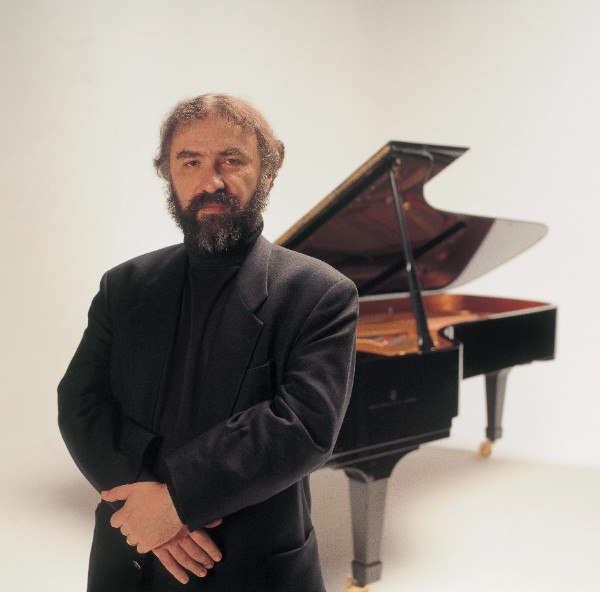
Radu Lupu © Decca Classics
For many Brahms aficionados, the emotional resonance of his music is a primary draw. Brahms’ compositions often convey a sense of longing, nostalgia, and quiet introspection, tempered by moments of exuberance and joy. Lupu’s performances tap into this emotional core, offering interpretations that feel deeply personal yet universally relatable.
His ability to convey vulnerability without sentimentality is particularly suited to Brahms’ late works, which are often imbued with a sense of farewell. This shared sense of introspection creates a powerful connection between composer and performer, one that Brahms enthusiasts are likely to find compelling.
While many pianists have interpreted the music of Brahms with great success, Lupu’s performances stand out for their authenticity and emotional truth. He approaches Brahms not as a monument to be revered but as a living, breathing voice to be expressed. Lupu offers a window into the composer’s soul, revealing the beauty and complexity of his music.
For Brahms enthusiasts, exploring Lupu’s interpretations is not just a recommendation. It is an invitation to experience the composer’s music in a profoundly moving way.
For more of the best in classical music, sign up for our E-Newsletter
Johannes Brahms: Piano Sonata No. 3 in F Minor, Op. 5 (Radu Lupu, piano)





Radu Lupu is one of my absolute favourite pianists and when coupled with Brahms – Brilliant. I fairly recently found a recording by Radu Lupu of Liszt’s Piano Sonata in B minor on youtube. I have heard this many times and have a few recordings of it. Radu makes this sonata his own – what a pity he didn’t record this and other pieces by Liszt. RIP Radu.