In the pages of opera history, few partnerships have burned as brightly or as fiercely as that of Tito Gobbi and Maria Callas. Their collaboration in Giacomo Puccini’s Tosca, particularly in the landmark 1953 Angel Records recording, remains a touchstone of operatic excellence, a masterclass in dramatic tension and vocal fireworks.
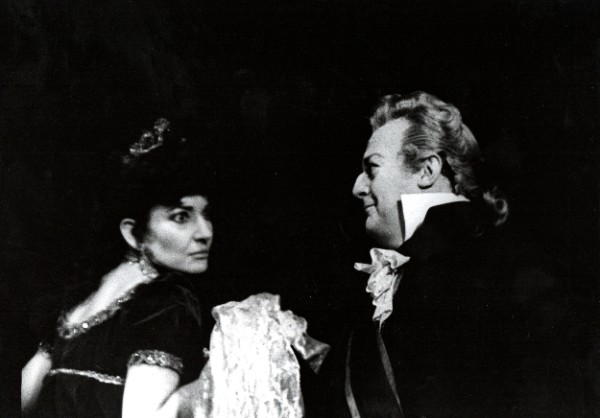
Tito Gobbi and Maria Callas in Puccini’s Tosca
Gobbi, the Italian baritone whose commanding presence redefined villainy, and Callas, the Greek-American soprano whose voice was a vessel for raw emotion, were not just colleagues but forces of nature whose on-stage and studio encounters crackled with intensity.
To celebrate Tito Gobbi’s birthday on 24 October 1913, let’s remember the fiery chemistry between Gobbi and Callas as they transformed Puccini’s melodrama into a visceral exploration of power, passion, and betrayal.
Gobbi/Callas sing Puccini: Tosca (excerpt)
An Unlikely Star
Born 24 October 1913 in Bassano del Grappa, Italy, Tito Gobbi was an unlikely opera star. A law student with asthma, he stumbled into singing after a chance performance at a tennis match caught the ear of a local impresario.
By the 1940s, his rich baritone and magnetic stage presence had made him a fixture at La Scala, but it was his portrayal of Baron Scarpia, the sadistic police chief in Tosca, that cemented his legend.
Maria Callas, born in 1923 in New York to Greek parents, was already a phenomenon by the early 1950s, her voice a kaleidoscope of colour and emotion capable of shifting from velvet lyricism to searing intensity.
Giacomo Puccini: Tosca – Act I: Tre sbirri, una carrozza (Scarpia, Spoletta, Chorus) (Tito Gobbi, baritone; Angelo Mercuriali, tenor; Milan La Scala Chorus; Milan La Scala Orchestra; Victor De Sabata, cond.)
Defining Legends
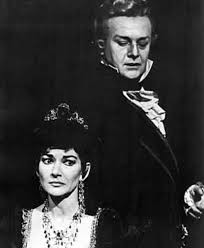
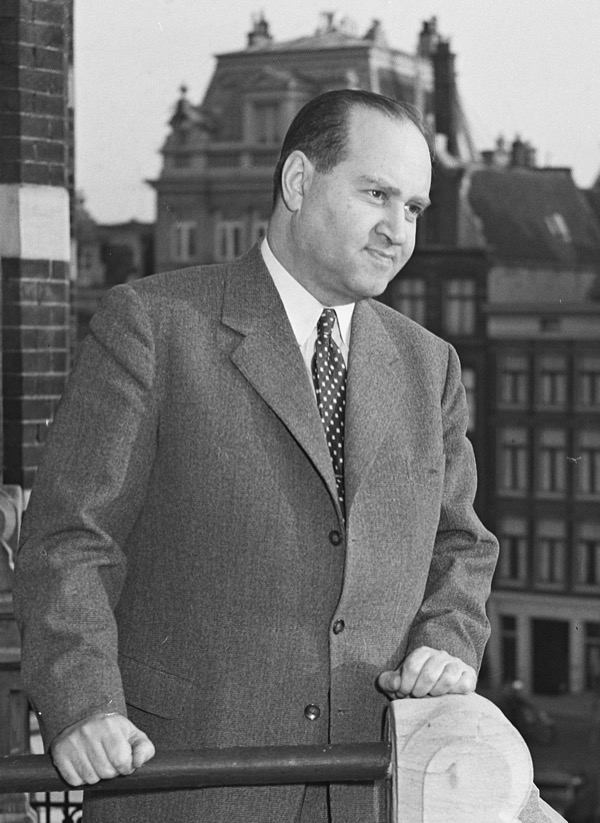
Tito Gobbi and Maria Callas
Their paths converged in the post-war opera world, a time when Italy’s theatres were rebuilding from the ravages of conflict, and audiences craved art that spoke to both heart and soul.
The 1953 Angel Records recording of Tosca, conducted by Victor de Sabata with the La Scala Orchestra and Chorus, was a pivotal moment for both artists. Gobbi, at 40, was at the height of his powers, his Scarpia a chilling blend of aristocratic charm and ruthless menace.
Callas, at 30, was redefining the role of Floria Tosca, the opera’s tragic diva, with a performance that married vocal virtuosity to psychological depth.
Giacomo Puccini: Tosca – Act II: Vissi d’arte (Tosca) (Maria Callas, soprano; Milan La Scala Orchestra; Victor De Sabata, cond.)
La Scala Magic
The recording, made in Milan’s historic Teatro alla Scala, captured a synergy that transcended the studio.
Their Act II confrontation, where Scarpia attempts to coerce Tosca into submission, is a high-wire act of vocal and dramatic intensity, each phrase a thrust and parry in a battle of wills.
As Gobbi’s Scarpia taunts, “Tosca, you make me forget God!” his voice drips with predatory glee, while Callas’s anguished cries in “Vissi d’arte” reveal a woman teetering on the edge of despair.
Giacomo Puccini: Tosca – Act I: Ed io venivo a lui tutta dogliosa (Tosca, Scarpia) (Maria Callas, soprano; Tito Gobbi, baritone; Milan La Scala Orchestra; Victor De Sabata, cond.)
Fire and Flint
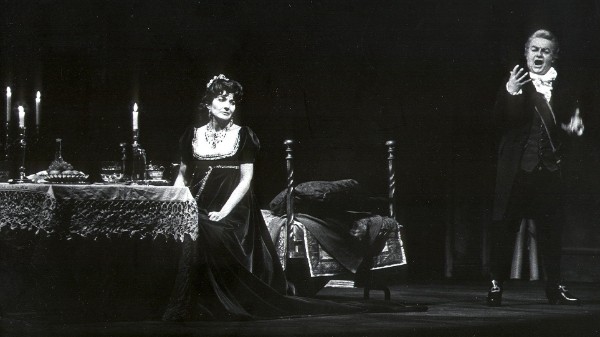
Tito Gobbi and Maria Callas
This chemistry was not without its tensions. Gobbi and Callas were both icons with outsized personalities, and their rehearsals were reportedly fraught with creative clashes. Gobbi, a meticulous actor who studied his roles like a method actor, insisted on psychological realism, dissecting Scarpia’s motivations to portray not just a villain but a man driven by lust and power.
Callas, equally obsessive, was known for her relentless pursuit of emotional truth, often pushing herself and her colleagues to the brink. Anecdotes from the Tosca sessions describe heated debates over pacing and interpretation, with Callas demanding more rehearsal time and Gobbi countering with his vision for Scarpia’s calculated cruelty.
Yet, these rivalries were not destructive but catalytic. As Gobbi later wrote in his memoir, “Maria and I were like fire and flint, sparks flew, but they lit a blaze.” Their on-stage collaborations, particularly at La Scala and the Metropolitan Opera in the 1950s and 1960s, amplified this dynamic.
Giacomo Puccini: Tosca – Act II: Se la giurata fede debbo tradir (Scarpia, Tosca) (Tito Gobbi, baritone; Maria Callas, soprano; Milan La Scala Orchestra; Victor De Sabata, cond.)
From Spectacle to Tragedy
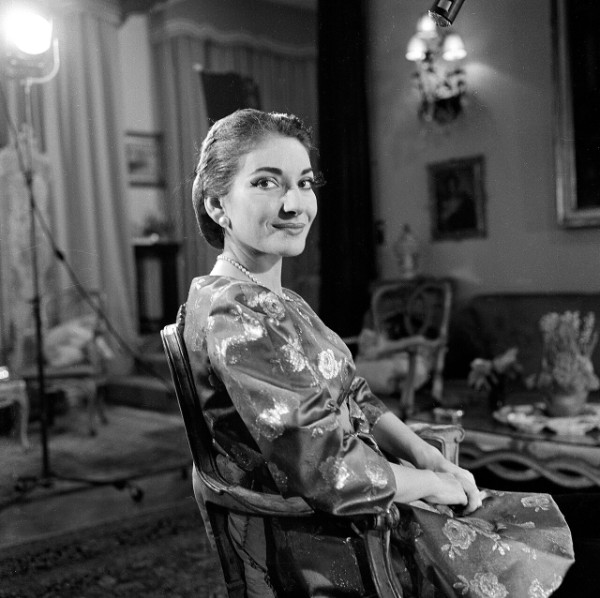
Maria Callas, 1958
Opera scholar Roger Parker notes in The Oxford Illustrated History of Opera that “Gobbi and Callas elevated Tosca from spectacle to tragedy, their voices weaving a narrative as gripping as any spoken drama.”
Gobbi’s Scarpia is no caricature as his creamy baritone and precise diction reveal a man whose cruelty is all the more terrifying for its elegance.
Callas, meanwhile, brings a variegated range to Tosca, her voice soaring in moments of love for Mario, sung by Giuseppe di Stefano, and fracturing in moments of desperation.
Their interplay in Act II, where Tosca murders Scarpia in a desperate bid for freedom, is a masterclass in pacing. Gobbi’s guttural cries as he dies contrast with Callas’s stunned silence, creating a moment of raw, theatrical power.
Giacomo Puccini: Tosca – Act II: E qual via scegliete? (Scarpia, Tosca) (Tito Gobbi, baritone; Maria Callas, soprano; Milan La Scala Orchestra; Victor De Sabata, cond.)
New Operatic Realism
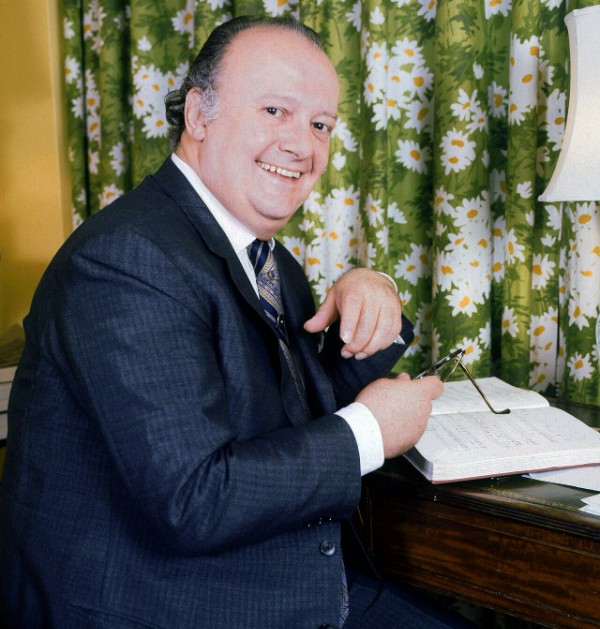
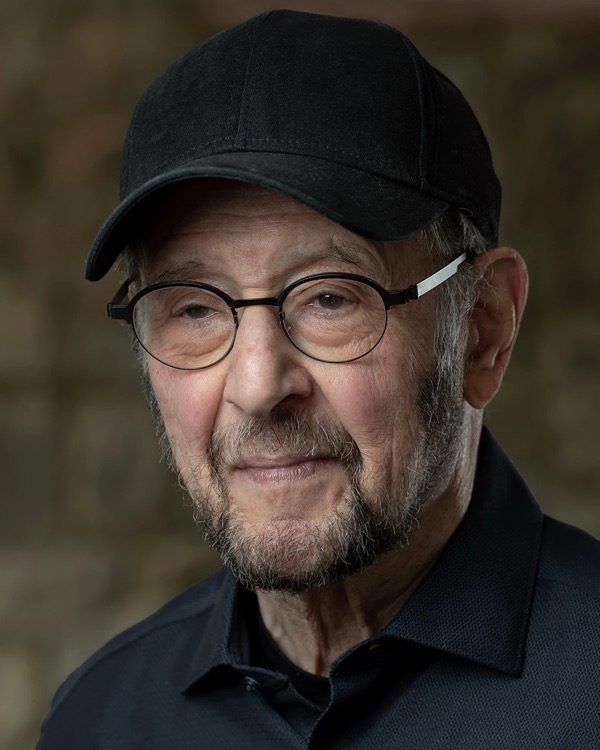
Tito Gobbi © Allan Warren
The 1950s were a golden age for Italian opera, with artists like Gobbi and Callas pushing the art form toward greater dramatic realism.
Gobbi, who later directed operas, brought a cinematic sensibility to his roles, influenced by Italy’s neorealist films. Callas, with her ability to embody characters through voice alone, was a pioneer of the singing actor archetype.
Together, they challenged the notion that opera was merely a vocal display, proving it could rival theatre in its emotional impact.
For more of the best in classical music, sign up for our E-Newsletter