Béla Bartók, the Hungarian genius of 20th-century music, often gets a bad rap. His compositions, with their bold harmonies and wild rhythms, can feel like a leap into the unknown for listeners used to the cosy melodies of Mozart or the catchy hooks of pop.
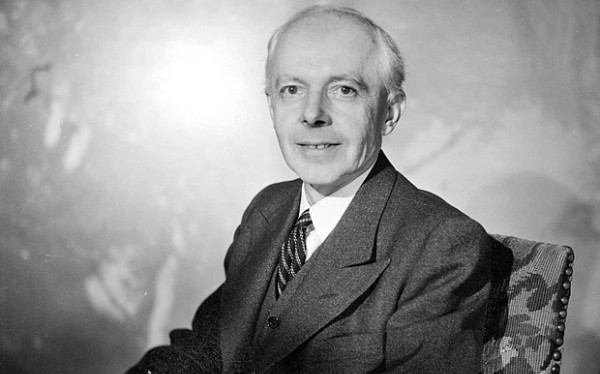
Béla Bartók
People hear “20th-century classical music” and picture something prickly, intellectual, or just plain weird. But here’s the truth. Bartók’s music isn’t scary at all. In fact, it’s exciting, soulful, and packed with surprises that make you want to take a closer listen.
Béla Bartók died on 26 September 1945 in New York, and to commemorate his passing, let’s explore his music’s roots in folk tunes, its emotional power, and its thrilling creativity. And we will find that there is absolutely no reason to be afraid of Béla Bartók.
Béla Bartók: Mikrokosmos, “From the Diary of a Fly”
Spiky Chords to Soulful Stories
Bartók’s music might seem intimidating, as the 20th century was a musical earthquake. Composers tossed out the rulebook and embraced dissonance, quirky rhythms, and structures that don’t always resolve neatly.
To ears trained on pop or classical favourites, Bartók’s spiky chords and offbeat pulses can feel like a foreign language. Plus, modern classical music isn’t exactly blasting from every radio, so it’s easy to assume it’s “too hard” or “not for me.”
But here’s the good news, as Bartók’s music isn’t about pushing you away. It’s about inviting you into a vibrant world of human stories, raw emotions, and foot-tapping energy. His work is grounded in the songs of everyday people and bursts with feeling.
Béla Bartók: Allegro Barbaro
Folk Tunes and Village Vibes
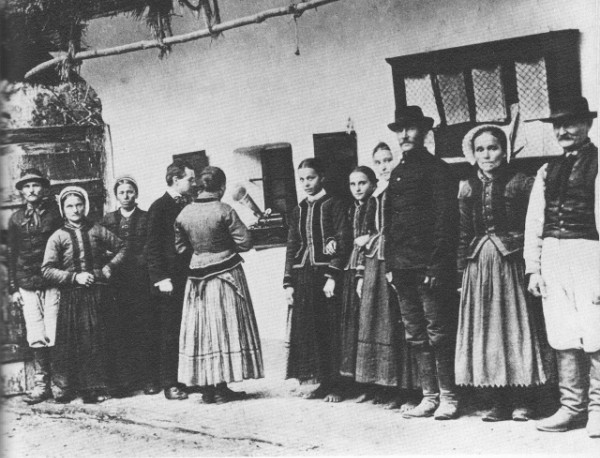
Béla Bartók recording folk music
One reason Bartók’s music is so approachable is his love for folk tunes. He wasn’t just a composer; he was also a musical explorer, roaming the countryside of Hungary, Romania, and beyond with a notebook and early recording gear to capture the songs of farmers, shepherds, and villagers.
These melodies are raw, lively, and full of character, and they became the heart of his music. This gives his works a warmth and familiarity that makes it way less scary than you might think.
Béla Bartók: Evening in the Village
If you are new to Bartók, the Romanian Folk Dances are a perfect starting point. These six short pieces, originally for piano and later jazzed up for orchestra, are bursting with the spirit of Romanian village life.
These pieces show that Bartók isn’t some ivory-tower composer, but that he is channelling the energy of real people dancing and singing. These dances prove that Bartók’s music is grounded in something universal. It’s not about being “difficult,” but all about joy, movement, and life.
Béla Bartók: Romanian Folk Dances for String Orchestra
From Longing to Laughter
Another reason to love Bartók is how deeply his music connects to human emotions. Sure, his harmonies might sound “modern,” but they’re never cold. His pieces are packed with passion, longing, humour, and hope, making them relatable even if they don’t sound like your typical love song.
Béla Bartók: Concerto for Orchestra, “Introduzione”
One of his most epic and inviting pieces is his Concerto for Orchestra. Written when he was living in the U.S., far from his beloved Hungary, this piece is like a musical diary of his heart and soul. It’s an emotional rollercoaster that shows off every section of the orchestra, from soaring strings to cheeky brass.
Béla Bartók: Concerto for Orchestra, “Game of Pairs”
The first movement starts with a quiet, mysterious shimmer like a misty morning, before exploding into a lively dance. The second movement, “Game of Pairs,” is pure fun, with instruments like oboes and clarinets trading playful riffs like kids joking around.
Béla Bartók: Concerto for Orchestra, “Elegia”
The third movement, “Elegia,” is where Bartók pours out his homesickness, with haunting melodies that tug at your heart. By the finale, you’re swept up in a whirlwind of energy and optimism, like a victory lap. This piece is a journey, and you don’t need to get every note to feel its power. It’s a direct line to your emotions, full of drama and warmth.
Béla Bartók: Concerto for Orchestra, “Intermezzo”
Dissonance with a Dance
Let’s be clear, Bartók’s music does use modernist tricks like dissonant chords, wild rhythms, and forms that don’t follow a predictable path. But these aren’t meant to scare you off. They are his way of pushing music into new and thrilling territory.
Béla Bartók: Concerto for Orchestra, “Finale”
Inspired by the quirky scales and the off-kilter rhythms of folk music, his innovations are more like a spicy twist on a familiar dish than a whole new cuisine. And that brings us to the Music for Strings, Percussion, and Celesta, probably the most cinematic and adventurous pieces in his repertoire.
Written for a unique combo of strings, percussion, and celesta, it’s like a musical haunted house, spooky, thrilling, and totally captivating. The first movement is a slow, eerie fugue that starts with a single viola melody and grows into a mesmerizing web of sound. It’s intense but easy to follow, like a suspenseful movie score.
The second movement is a zippy dance with punchy rhythms that make you want to move. The third movement is pure atmosphere with weirdly beautiful effects like plucked strings and sliding notes. The finale is a high-energy romp that ties it all together with folk-inspired flair. This work shows Bartók’s “modern” side isn’t about confusion, it is about creating new worlds of sound that spark your imagination.
Béla Bartók: Dance Suite
Folk Flair to Epic Emotion
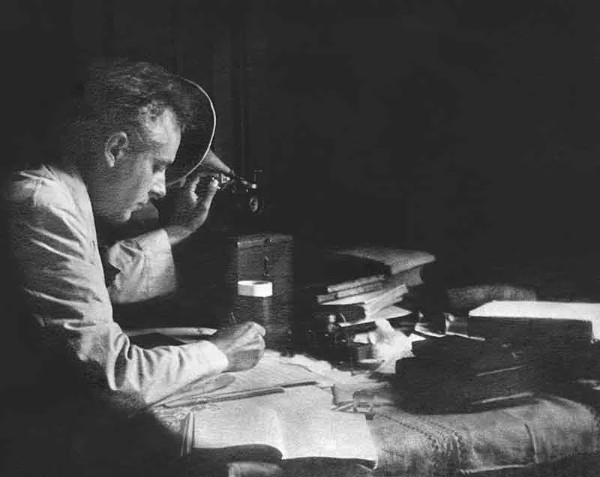
Béla Bartók
Béla Bartók’s music is not a puzzle to be feared but a vibrant, soul-stirring adventure waiting to be explored. Far from being cold or inaccessible, his compositions pulse with the energy of folk dances, the depth of human emotion, and the thrill of creative discovery.
Through works like the Romanian Folk Dances, with their catchy, village-inspired melodies, Bartók connects us to the timeless joy of shared traditions. In the Concerto for Orchestra, he pours out a spectrum of feelings, from longing to triumph, that resonate with anyone who’s ever felt the pull of home or the spark of hope.
And in Music for Strings, Percussion, and Celesta, he invites us into a mesmerising world of sound that’s as cinematic as it is innovative, proving that modern doesn’t mean unapproachable.
Béla Bartók: Hungarian Peasant Suite
Unfamiliar but Unforgettable
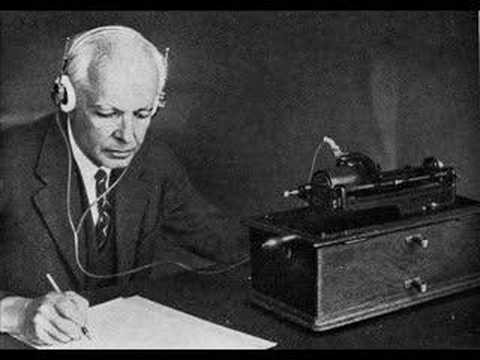
Béla Bartók notating folk music
The fear of 20th-century music often comes from its unfamiliarity, but Bartók’s genius lies in how he bridges the gap between the known and the new. His music is a conversation between the past and the future, blending the raw beauty of folk songs with the daring spirit of modernism.
It always helps to imagine the stories behind the notes, and by giving yourself permission to discover something new. You’ll find that Bartók’s world is not intimidating but exhilarating. Each listen reveals more of his warmth, wit, and humanity, turning what might seem scary into something deeply rewarding.
Bartók is not asking you to “understand” every note; he is simply inviting you to feel, to dance, and to wonder. So, don’t let the “20th-century” label scare you. Grab a pair of headphones, fire up one of his pieces, and let yourself get swept away. You’ll find there’s nothing to fear, but just a whole lot to love.
For more of the best in classical music, sign up for our E-Newsletter