In the rare stillness of spaces where the world’s noise falls away, the piano music of Andrzej Panufnik emerges like a voice from the past, fragile yet unyielding, tender yet fierce. It is not merely music but a living testament to a life shaped by love, loss, and an unrelenting search for meaning.
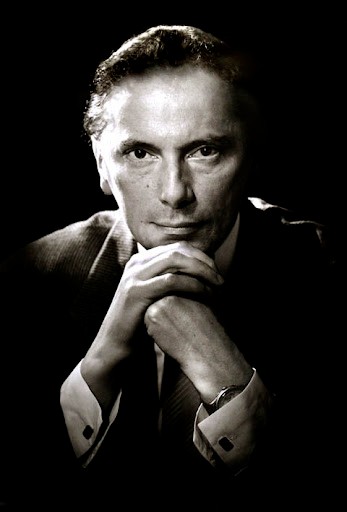
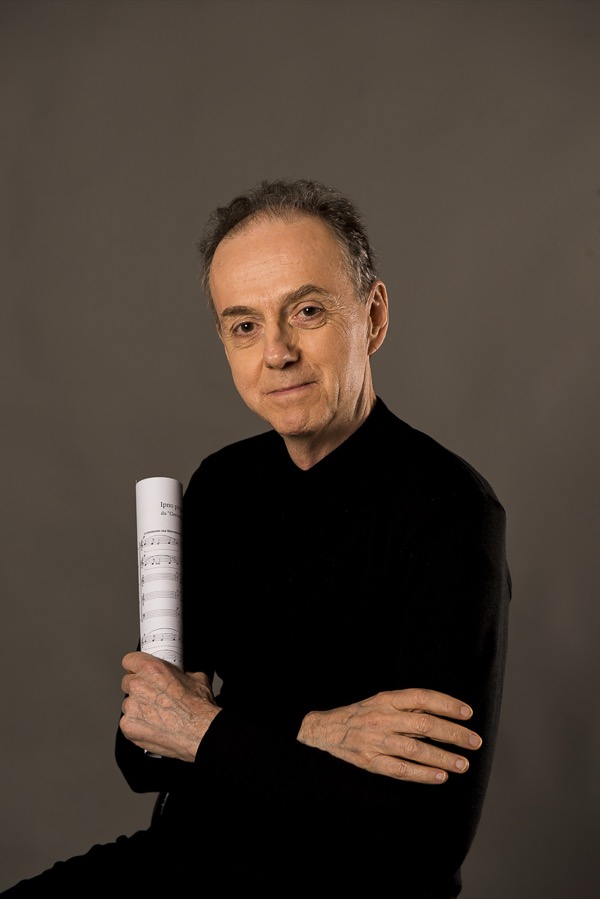
Andrzej Panufnik
To listen to his 12 Miniature Studies, Piano Concerto, Reflections, or Pentasonata is to step into a world of memory, where each note carries the weight of a man who survived war, exile, and the ache of a homeland left behind. Panufnik’s music is a bridge between the heart and the infinite, a quiet rebellion against despair, and a reminder that even in the darkest moments, the soul can still sing.
Andrzej Panufnik: 12 Miniature Studies – No. 1 in C-Sharp Minor (Clare Hammond, piano)
Andrzej Panufnik: 12 Miniature Studies – No. 2 in F-Sharp Minor (Clare Hammond, piano)
A Voice forged in War
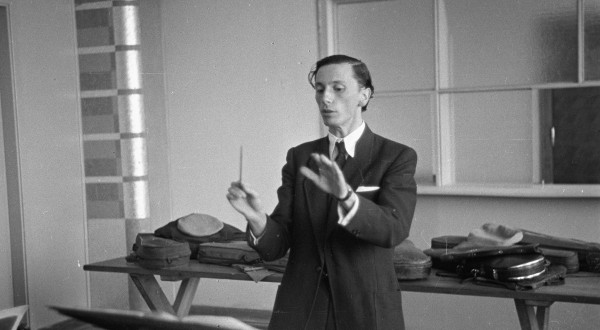
Andrzej Panufnik
Andrzej Panufnik was born in Warsaw, Poland, on 24 September 1914, and he came of age in a country caught in the grip of history’s cruelties. His father was an engineer and violin maker, and his mother a pianist and composer. Music was part of his childhood, and the piano was not just an instrument but a companion, a confidant that held his earliest dreams.
Yet those dreams were soon overshadowed by the horrors of World War II. Warsaw, the city that pulsed through his veins, was reduced to rubble. His brother and father perished, and his early compositions, manuscripts that held the spark of his youth, were lost in the flames of the 1944 Warsaw Uprising.
Andrzej Panufnik: 12 Miniature Studies – No. 5 in A Minor (Clare Hammond, piano)
Andrzej Panufnik: 12 Miniature Studies – No. 8 in C Minor (Clare Hammond, piano)
Defiance in Silence
In 1954, Panufnik made a choice that would define his life and music. He fled Poland for England, with exile becoming both a liberation and a wound. He left behind his homeland, his language, his roots, carrying only the intangible of his memories, his grief, and his music.
The piano became his refuge, a space where he could speak what words could not say. His compositions for the instrument, though few in number, are among his most intimate works, each one a chapter in a story of survival, defiance, and quiet hope.
Andrzej Panufnik: 12 Miniature Studies – No. 10 in B-Flat Minor (Clare Hammond, piano)
Andrzej Panufnik: 12 Miniature Studies – No. 11 in E-Flat Minor (Clare Hammond, piano)
Lingering Confessions
Encountering the Reflections for solo piano, composed in 1968, is to find a great vulnerability. The piece feels like a private confession, as if Panufnik were sitting at the keyboard, alone, pouring his heart into the silence. The music unfolds slowly, each phrase hesitating as if unsure whether to reveal its secrets.
There’s a moment where a single note lingers, suspended, like a tear held back too long. It’s the sound of a man looking back at a life fractured by war and displacement, yet still finding beauty in the fragments. I can’t help but imagine him thinking of Warsaw, the city of his youth, alive with music before they were silenced by bombs.
The piece is neither loud nor showy, and it doesn’t demand attention. Instead, it invites you to lean closer, to listen as you would to a friend recounting a life of joy and sorrow. There’s a warmth in its spareness, a sense that Panufnik is offering not just his own story but a space for yours.
Andrzej Panufnik: Reflections (Clare Hammond, piano)
A Life Distilled
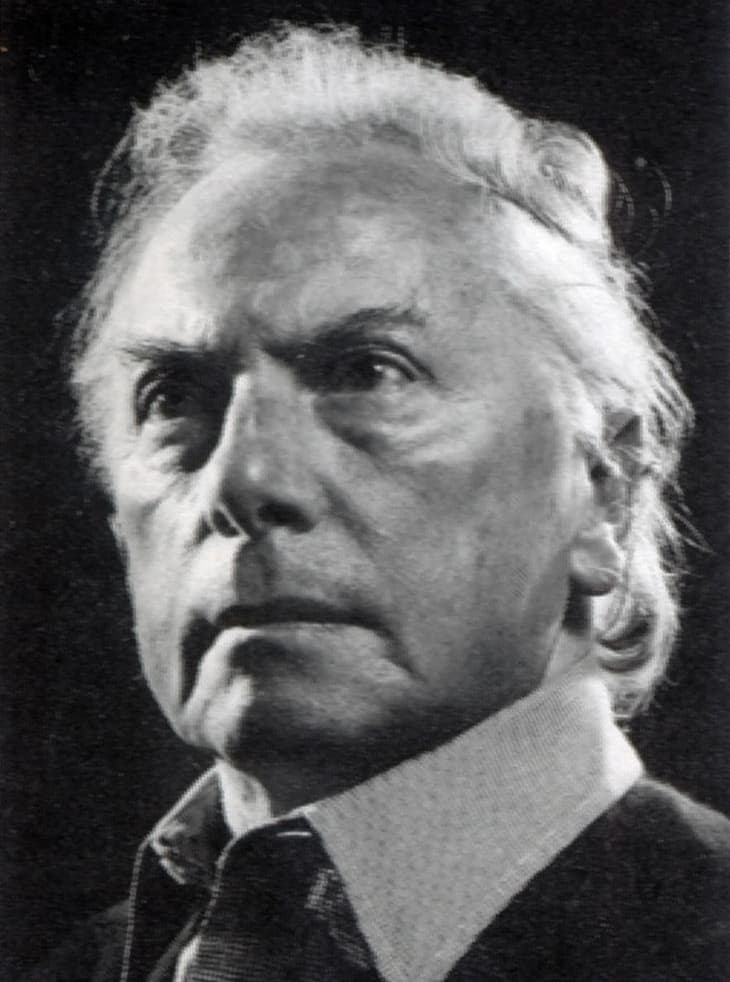
Andrzej Panufnik
The Pentasonata, composed in 1984, carries a different kind of weight. Written late in Panufnik’s life, it feels like a distillation of everything he had learned, everything he had endured. The piece is spare, almost austere, yet it radiates a quiet warmth.
Each note is placed with care, as if Panufnik were sifting through his memories, choosing only what was essential. There’s a sense of peace here, but not the peace of resignation. It’s the peace of someone who has faced the worst and chosen to keep going, to keep creating.
The Pentasonata feels like Panufnik looking back across the years, not with bitterness but with clarity. The music holds both the pain of exile and the hope of renewal. It’s a reminder that even after loss, there is space for something new to grow.
Andrzej Panufnik: Pentasonata (Clare Hammond, piano)
Turmoil and Tenderness
The Piano Concerto, composed in 1962 and revised in 1972, is a different kind of revelation. It is a storm of emotion, a dialogue between the individual and the world. The piano, Panufnik’s voice, stands against the orchestra’s weight, sometimes clashing, sometimes intertwining, always striving to be heard.
The first movement surges with a restless energy, as if capturing the turmoil of his early years, the chaos of war, the struggle to find his place in a new country. Yet it’s the slow movement that breaks the heart. Here, the piano sings a melody so delicate it seems it might shatter. It’s a moment of unbearable tenderness, like a memory of love recalled in the midst of grief.
Andrzej Panufnik: Piano Concerto – I. Entrata (Ewa Kupiec, piano; Konzerthausorchester Berlin; Łukasz Borowicz, cond.)
Defiant Beauty
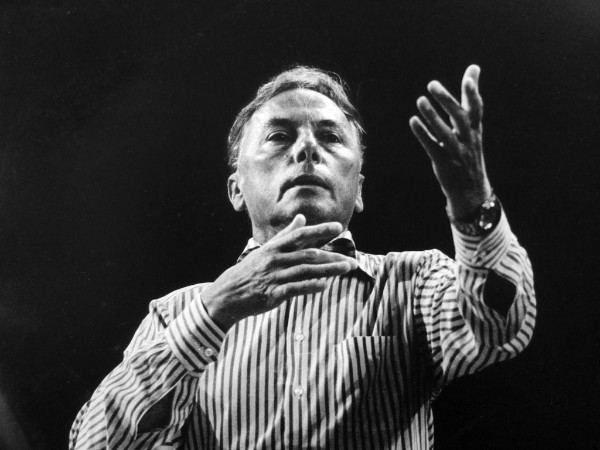
Andrzej Panufnik
The Piano Concerto is his defiance, his insistence on creating beauty in the face of destruction. It’s as if he’s saying, “I am still here, and I will still sing.” The final movement bursts with a hard-won joy, not triumphant but resilient, like sunlight breaking through clouds after a long storm. It feels like an act of courage, a reminder that even in our brokenness, we can find strength.
Panufnik’s music doesn’t promise easy answers. It promises that the act of moving forward is enough. What makes his piano music so gripping is its honesty. There is no pretence, no flourish for its own sake. Every note feels necessary, as if he carved away everything that didn’t speak directly to the soul.
Andrzej Panufnik: Piano Concerto – II. Molto tranquillo (Ewa Kupiec, piano; Konzerthausorchester Berlin; Łukasz Borowicz, cond.)
A Sanctuary of Sound
His music doesn’t dazzle with virtuosity, though it demands skill. Instead, it reaches for something deeper, something that resonates in the listener’s own heart. It carries the sense of being connected to something larger than myself, a shared human struggle, a shared capacity for hope.
Panufnik once said that music was his way of expressing what words could not. For him, the piano was more than an instrument. It was a sanctuary, a place where he could lay bare his fears, his grief, and his dreams. His compositions are not just pieces to be played but stories to be lived.
Andrzej Panufnik: Piano Concerto – III. Molto agitato (Ewa Kupiec, piano; Konzerthausorchester Berlin; Łukasz Borowicz, cond.)
Healing Through Harmony
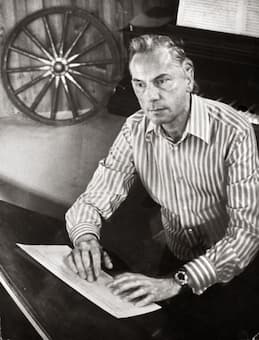
Andrzej Panufnik
They carry the weight of his exile, the scars of his losses, and the quiet triumph of his survival. To play them is to feel the pulse of his life, to hear the echoes of a man who refused to be silenced.
In a world that often feels fractured, Panufnik’s piano music is a quiet act of healing. It doesn’t erase the pain of the past or the uncertainties of the present, but it offers a way through them. It reminds us that beauty can emerge from brokenness, that hope can persist in the face of despair.
Panufnik’s music teaches us to create, to love, and to keep going, as an act of defiance against a world that tries to break us. His piano works are not just music; they are a testament to the human spirit, a call to listen, to feel, and to remember that we are never truly alone.
For more of the best in classical music, sign up for our E-Newsletter