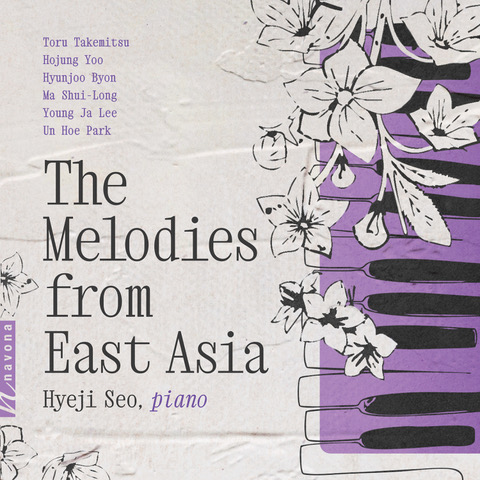
Korean pianist and educator Hyeji Seo makes a compelling debut with The Melodies from East Asia, an album blending six modern compositions from Japanese, Taiwanese, and Korean composers. The album includes five solo piano pieces and one oboe-piano duet, showcasing a diverse fusion of Eastern musical traditions and Western classical forms. It draws listeners into a soundscape rooted in cultural memory and creative expression. Seo’s performance is both delicate and confident, delivering nuanced interpretations of each piece while preserving a consistent artistic voice.
“I’m incredibly excited for the release of my debut album,” Seo says from Fort Collins, Colorado, where she currently serves on the collaborative piano faculty at Colorado State University. There, she teaches chamber music, piano ensemble, and class piano, and collaborates widely across the School of Music. “I find great joy in connecting with students, colleagues, community members, and audiences through all of these activities.”
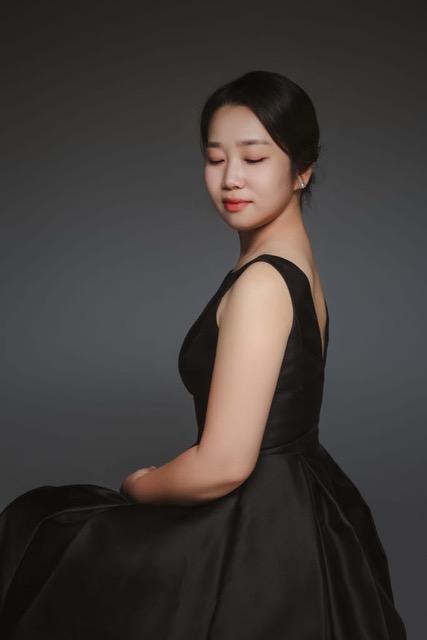
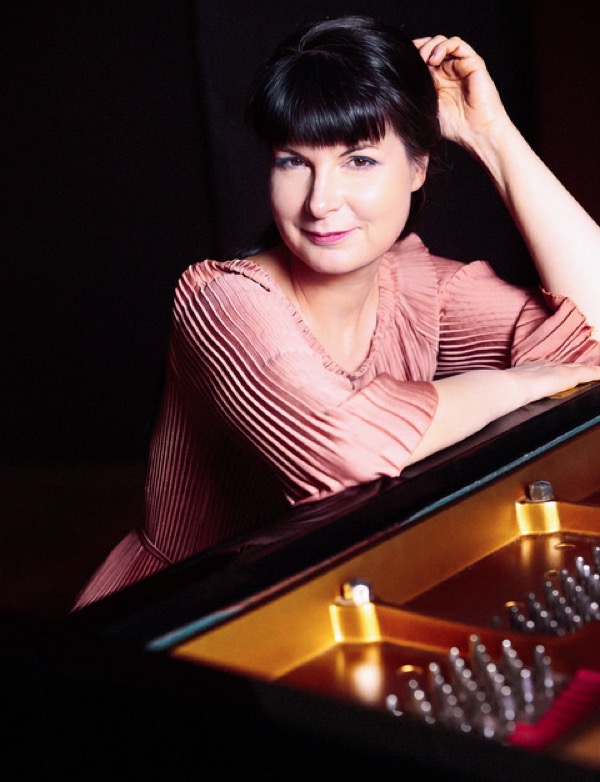
Hyeji Seo
Seo’s musical life bridges multiple roles: soloist, collaborative pianist, teacher, and advocate for culturally inclusive repertoire. “The roles of soloist and collaborator are deeply intertwined for me,” she reflects. “In solo playing, I explore emotion and technique on my own terms. In collaboration, it’s about listening, blending, and shared interpretation. I’m grateful to pursue both paths—they constantly inform and enrich one another.”
That spirit of connection is at the heart of The Melodies from East Asia, particularly in the Korean works that hold deep personal meaning for Seo. “I felt instantly attached to the music,” she recalls. “The melodies, the rhythms, even the emotional undercurrents, brought back vivid memories of my childhood in Korea, of songs I sang with my family.”
Among the most significant for her is Young Ja Lee’s Umma ya Nuna ya, based on a well-known Korean children’s song with roots in a wartime poem. “It expresses Han, a deeply Korean emotion of sorrow, longing, and perseverance,” Seo explains. “It’s a song I grew up hearing from my grandmother, and it continues to move me every time I perform it.”
In contrast, Unhoe Park’s Korean Rhapsody bursts with energy and joy, offering a virtuosic celebration of Korean folk melodies. “It feels like a musical festival,” Seo says. “Lively, rhythmic, and full of colour, it connects listeners to Korea’s communal spirit and cultural roots.”
Hojung Yoo’s Beyond the Line brings a powerful sense of urgency and hope, inspired by South Korea’s peaceful candlelight protests of 2016–2017. “When I first learned the story behind it, I was deeply moved,” she shares. “It’s a piece about justice, resilience, and the strength of collective voice—values that resonate with me both as a musician and as an educator.”
Also featured is Arari by Hyunjoo Byon, a lyrical oboe-piano duo based on Jeongseon Arirang, one of Korea’s most iconic folk songs. Byon masterfully integrates the piercing tone of the Taepyeongso and rhythmic structure of Jangdan into a refined Western chamber setting, creating a piece that bridges cultural traditions with elegance and emotional depth.
Seo also felt a surprising sense of kinship with the works by Japanese and Taiwanese composers, despite never having visited either country. “There was a natural connection,” she reflects. “Our musical cultures share similar aesthetics like timbral nuances, ornamental gestures, and emotional depth. Exploring these pieces allowed me to reflect on a broader East Asian identity through sound.”
That connection is especially evident in the music of Toru Takemitsu, whose works open the album. His Piano Pieces for Children are lighthearted and whimsical, while Romance delves into darker, more introspective textures. Seo finds a resonance with the understated beauty and meditative space often associated with Japanese artistic tradition. “Though not directly modeled on traditional instruments,” she explains, “his music evokes a kind of spaciousness and poetic subtlety that feels deeply familiar.”
A similar thread of cultural intimacy runs through Ma Shui-Long’s A Sketch of the Rainy Harbor, which paints a vivid portrait of the Taiwanese coastal city of Ji-long. Through fluid glissandi and delicately layered textures, the piano imitates the sounds of folk instruments like the zheng, conjuring scenes of rain-slicked streets, temple bells, and harbour views. For Seo, performing this piece was not only a technical challenge but also an emotional exploration of shared sensibilities.
Recording the album for Seo was a new experience and a significant learning curve. “It was my first time recording professionally. Everything, from mic placement to editing, was unfamiliar at first, but I learned a great deal. It’s a different kind of artistry compared to live performance, and I found it deeply rewarding.”
Looking ahead, Seo continues to champion diverse voices in classical music. She will present a lecture on Korean female composers at the Colorado State Music Teachers Association Conference and perform solo and chamber repertoire across Colorado and neighbouring states. She is also organising community outreach concerts to share the music from this album with broader audiences.
These efforts are part of her ongoing project series, The Music We Write, which seeks to spotlight culturally diverse classical works and underrepresented composers. “I believe music tells stories that matter,” Seo says. “This album is about honouring where I come from—and inviting others to listen, reflect, and connect.”
The Melodies from East Asia
Hyeji Seo, piano
https://www.navonarecords.com/catalog/nv6746/
Navona Records
Release Date: July 25, 2025
Catalog #: NV6746
For more of the best in classical music, sign up for our E-Newsletter