
No piece of orchestral music pulls more people to YouTube than Beethoven’s Symphony No. 9, his last symphony for orchestra and chorus that ends with the glorious Ode to Joy. In fact, seven of the most-watched symphony videos of all
Beethoven
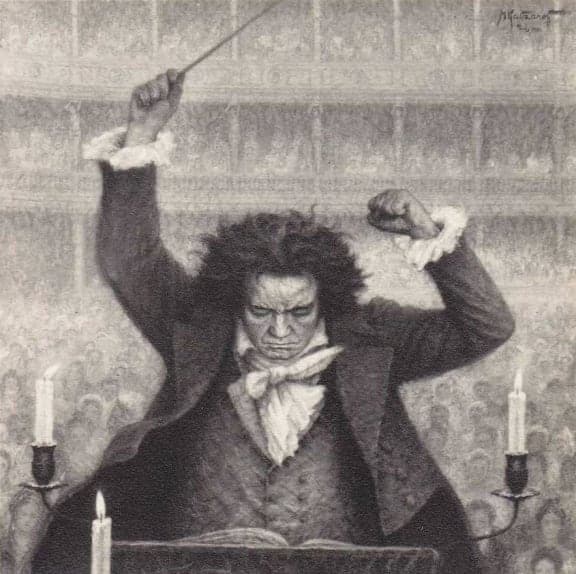
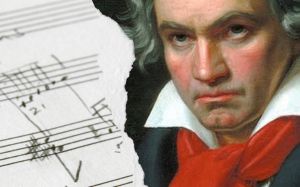
Ludwig van Beethoven is one of the most famous composers who ever lived – but how much do you really know about him? Beyond his iconic symphonies and the legendary deafness, he lived a life full of mystery, heartbreak, and
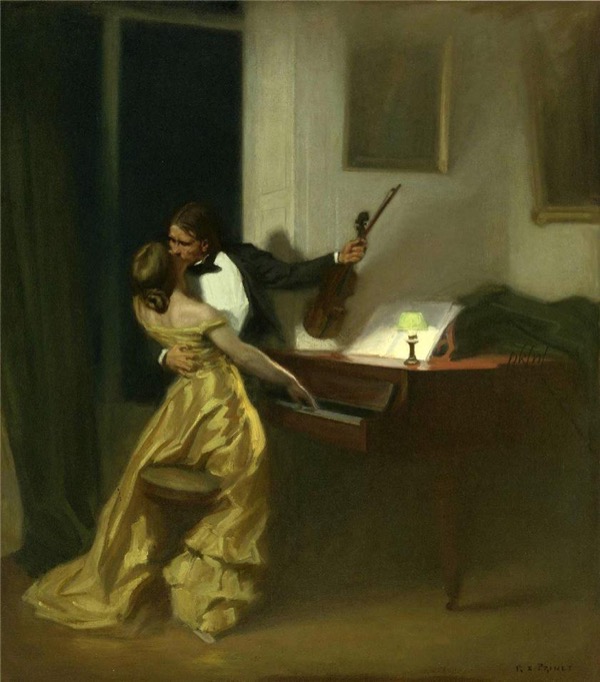
Beethoven’s Violin Sonata No. 9 in A major, Op. 47 – better known as the Kreutzer Sonata – is one of the most famous pieces of chamber music ever written. The history of its reception is long and storied. It
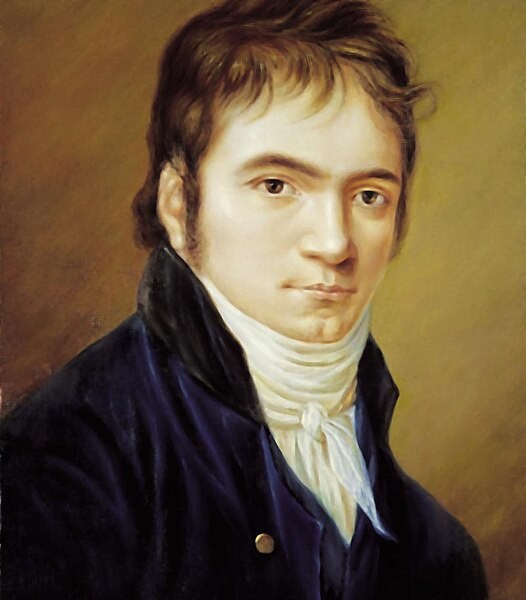
Ludwig van Beethoven was a composer who changed what music was allowed to be. Before him, composers largely worked within inherited forms and social expectations. After him, music became more defiant, confrontational, and autobiographical. If you had exactly one hour
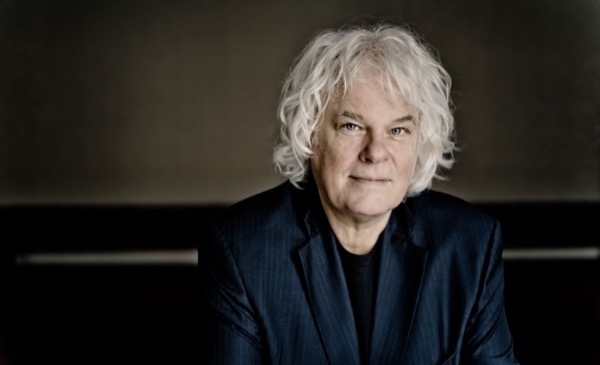
For fans of the fortepiano, Ronald Brautigam needs no introduction. His exhaustive discography of Haydn, Mozart, and Beethoven never ceases to amaze with its delicate yet bold sound. This May and June, Mr. Brautigam undertook his first tour of China,
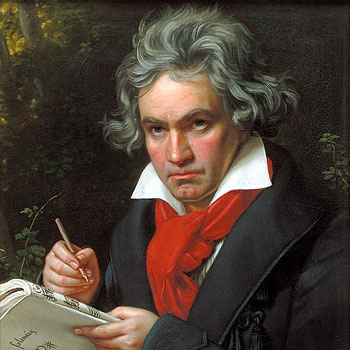
Ludwig van Beethoven may be one of the most famous composers in Western music history, but he’s also one of the most misunderstood. Over the past two centuries, a powerful mythology has grown around Beethoven: the image of a lonely,
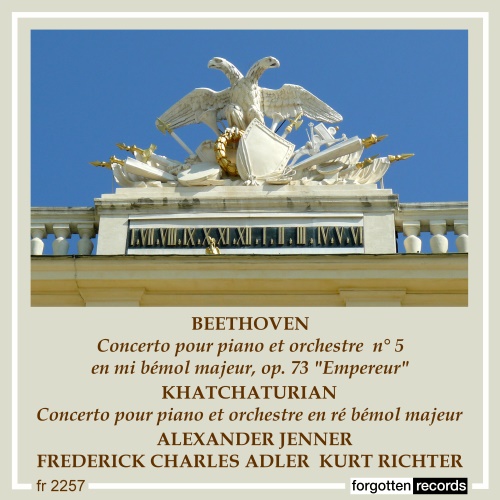
In 1802, Beethoven (1770–1827) returned to Vienna from his stay in Heiligenstadt, where he’d been sent on doctor’s orders so he could learn to deal with both his increasing tinnitus and encroaching deafness. This is where he decided that suicide
Beethoven‘s symphonies – and recordings of his symphonies – are ubiquitous in the classical music world, so of course many musicians and music lovers have made lists of their favourites. Have you ever wondered if there’s a slightly more objective