Pietro Mascagni (1863-1945) is best known for his verismo masterpiece Cavalleria Rusticana. In 1898, however, he turned to an entirely different cultural landscape with his opera Iris. Unlike the Sicilian settings and raw Italian realism that defined verismo, Iris immerses audiences in the enigmatic world of Japan.
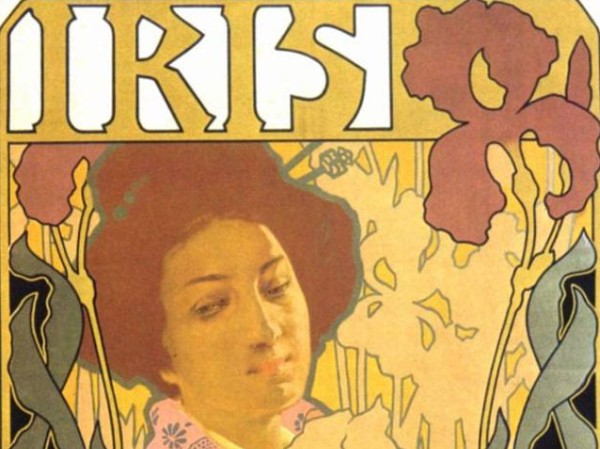
Pietro Mascagni: Iris
This opera, though less frequently staged than Mascagni’s signature work, stands as a striking example of how European composers of the fin de siècle were captivated by the allure of the East. In this case, the fascination was often termed “Japonisme.”
To celebrate Mascagni’s birthday on 7 December, let’s take a look at how Mascagni’s music and the setting evoke the aesthetics of Japanese culture as it mirrored the influence that woodblock prints had on European art at the turn of the century.
Pietro Mascagni: Iris, “Inno del sole”
From Ukiyo-e to the Operatic Stage
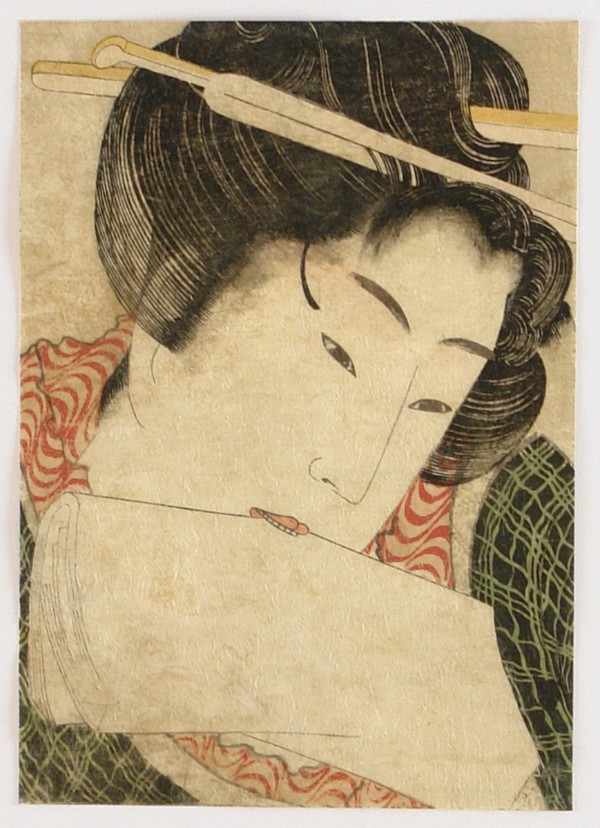
The Ukiyo-e arts by Hokusai
Set in “legendary Japan,” Iris tells the tragic story of a young flower seller lured into the city’s pleasure quarters, ultimately dying as a victim of societal corruption and moral exploitation. The opera’s narrative mirrors the themes of innocence and social oppression common in verismo, yet Mascagni adapts these motifs to a distinctly Japanese setting.
Rather than relying on melodrama or overt emotionality alone, the composer integrates musical gestures that suggest an Eastern sensibility. As such, it suggests a stylised Japanese sound world without resorting to caricature.
Japan’s influence on European art in the late 19th century provides crucial context for understanding Iris. Japanese woodcuts, especially ukiyo-e prints, captivated artists across Europe. Figures such as Vincent van Gogh, Claude Monet, and James McNeill Whistler were inspired by the prints’ bold composition, flat colour planes, and asymmetrical perspectives.
Pietro Mascagni: Iris – Act II: Un di (ero piccina) (Iris, Osaka) (Ilona Tokody, soprano; Plácido Domingo, tenor; Munich Radio Orchestra; Giuseppe Patanè, cond.)
Japonisme in Motion

Set for the 3rd Act
In Iris, the opera’s visual design often reflected these same principles. Stage sets for early productions included painted backdrops evoking delicate gardens, flowing water, and stylised architecture reminiscent of Hiroshige or Hokusai.
Costumes emphasised line, colour, and pattern rather than realistic texture, echoing the graphic clarity of woodblock prints. Just as ukiyo-e distilled the essence of its subjects with economy and elegance, Mascagni’s opera distils Japanese life into a narrative that is both intimate and universal.
The parallels between Iris and Japanese woodcuts extend beyond visual aesthetics into thematic resonance. Ukiyo-e often depicted women in moments of quiet reflection or vulnerability. And that included courtesans, geishas, and commoners navigating rigid social hierarchies.
Pietro Mascagni: Iris – Act III: La notte – Ad ora bruna (Un Cenciaiuolo, Chorus, Il Cenciaiuolo) (Heinrich Weber, tenor; Sergio Tedesco, tenor; Bavarian Radio Chorus; Munich Radio Orchestra; Giuseppe Patanè, cond.)
Echoes of Japan

Similarly, Iris herself embodies innocence confronted with societal cruelty. The delicate, flowing gestures in the opera are not only a musical homage to Japan but also a visual and emotional dialogue with its art forms. Each aria and ensemble carries a subtle sense of grace, echoing the poised figures of Edo-era prints.
Mascagni’s score enhances this Japanese sensibility through both melodic and harmonic means. The opera opens with a pastoral depiction of the countryside, evoking the serenity of Japanese landscapes as portrayed in woodcuts. Strings often employ gentle tremolos, and wind instruments provide delicate ornamentation reminiscent of traditional Japanese instruments.
Vocal lines, while rooted in Italian lyricism, are frequently restrained, mirroring the poised elegance of the opera’s visual elements. In effect, Mascagni achieves a synthesis of Western operatic tradition and Japanese aesthetic principles, relying on balance, refinement, and attention to nuanced detail.
Pietro Mascagni: Iris, “Finale”
Iris before Butterfly
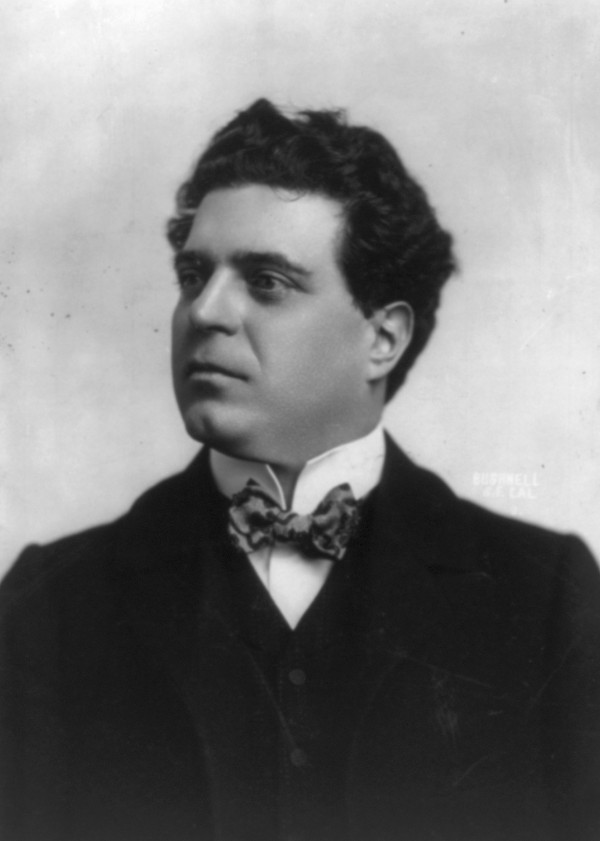
Pietro Mascagni
The opera’s reception, however, was mixed. While audiences admired the lush orchestration and the beauty of Mascagni’s writing, some critics were uneasy with the exotic subject matter.
The Japanese setting, though sensitively handled, was largely a European fantasy rather than a faithful representation of Edo society. Yet this imaginative projection was precisely what appealed to contemporary audiences. Iris allowed them to experience the allure of Japan through the familiar lens of Italian music drama.
Iris predates Puccini’s Madama Butterfly, and it stands out for its verismo foundation. Unlike Butterfly, which emphasises melodramatic pathos, Iris maintains a restrained emotional palette, emphasising subtlety over overt sentiment.
While Iris may never achieve the popular fame of Cavalleria Rusticana, it remains an essential study in the dialogue between East and West at the turn of the century. Through its music, narrative, and aesthetic sensibility, Iris exemplifies how opera can sensitively transcend cultural boundaries.
For more of the best in classical music, sign up for our E-Newsletter