
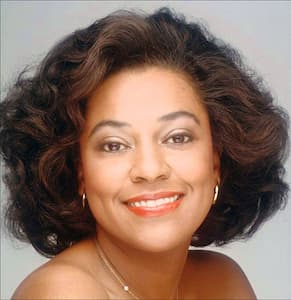
Kathleen Battle
Kathleen Battle, born on 13 August 1948 in Portsmouth, Ohio, has been called “one of the very few most beautiful voices in the world.” Possessing a distinctive, light, and nimble voice, Battle has won international acclaim for soubrette opera roles, recital performances, and award-winning recordings. In the words of a critic, “Miss Battle’s natural territory is music of sweetness, serenity, and girlish ecstasy. Within this repertoire, she is all but unequaled.” And a scholar adds, “yet beyond the glory of her singing, in a career filled with countless accolades, honors and major milestones, what has perhaps distinguished her most is her almost magical ability to create an unwavering emotional bond between herself, her music and her audience.” Battle always sings with remarkable freshness and beauty and with “such focus and bloom that her sound had penetrating richness and radiant presence.”
Kathleen Battle Sings Handel’s “Ombra Mai Fu”
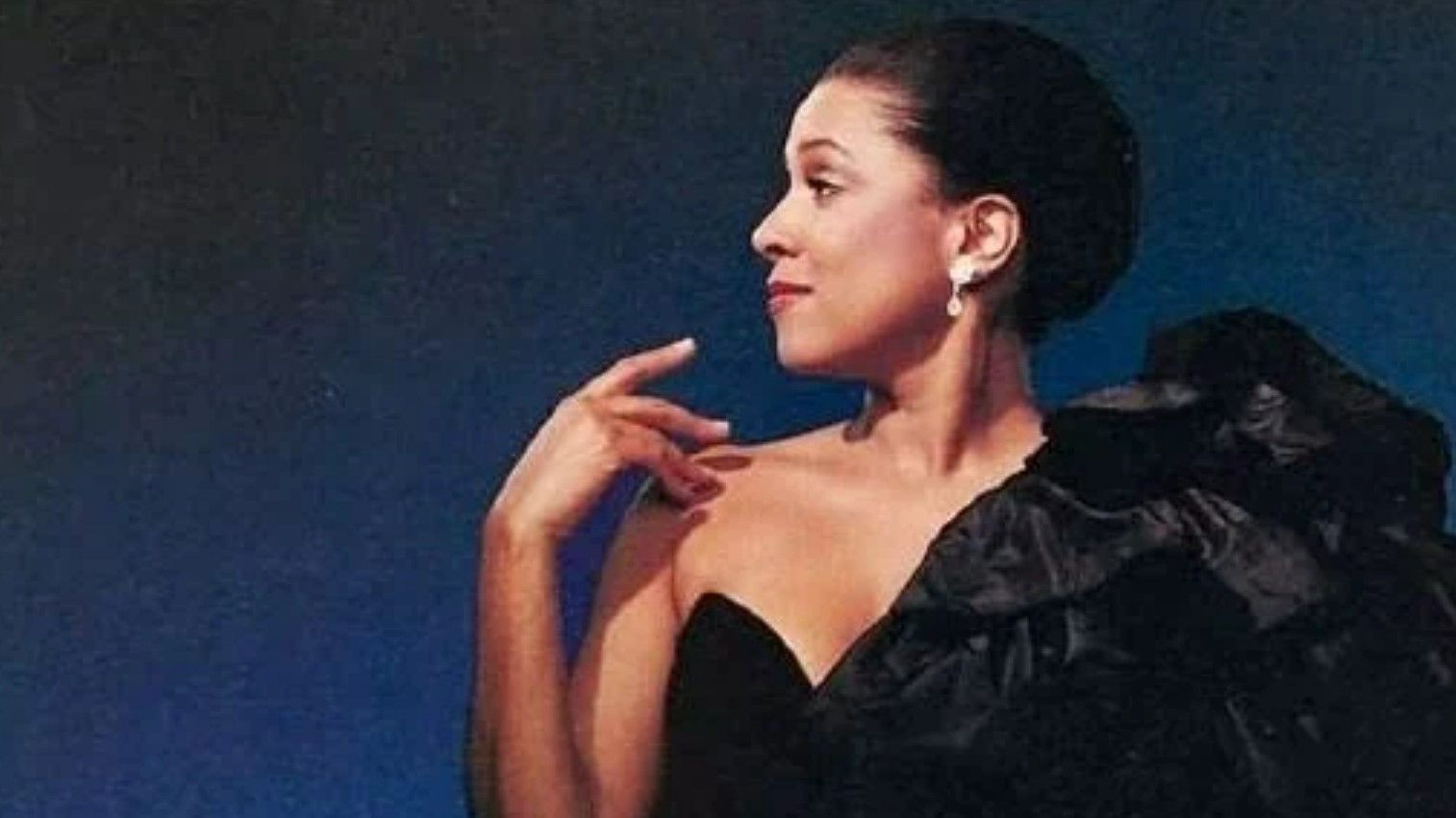 Battle was the youngest of seven children, and her mother and her father, a steel worker, were active musicians in the African Methodist Episcopal church. Battle sang in church and at Portsmouth High School, in a segregated school system. Her music teacher and mentor Charles P. Varney recalled the first time he heard the eight-year-old Battle sing. He described her as “this tiny little thing singing so beautifully.” Apparently, Varney told her that “God had blessed her, and she must always sing.” Initially, Battle was unconvinced and studied typing and shorthand in high school. She won a National Merit Scholarship for her achievement in mathematics but eventually envisioned a career as a music teacher. She enrolled at the University of Cincinnati College-Conservatory of Music and studied with Franklin Bens and Italo Tajos. Once she received a bachelor’s degree in 1970 and a master’s degree in 1971, she taught grades four through six for the next two years in the Cincinnati public school system.
Kathleen Battle & Jessye Norman sing from “Spirituals in Concert”
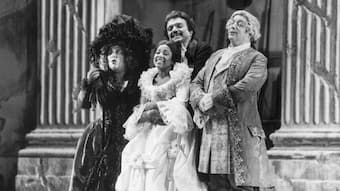
Kathleen Battle as Susanna in Mozart’s The Marriage of Figaro
Battle continued to take voice lessons and also studied German and acting while taking on singing jobs in and around Cincinnati. In 1972 she auditioned successfully for Thomas Shippers, then the director of both the Cincinnati Symphony Orchestra and the Spoleto Festival. She made her professional debut in that year in a performance of the Brahms Requiem in Spoleto. Two years later, Battle came to the attention of James Levine while singing at the Cincinnati May Festival. He immediately hired Battle to sing in Mahler’s Eight Symphony, and also included her in his tour of the Ravinia Festival. Battle moved to New York in 1975, after she had secured an engagement in a Broadway production of Scott Joplin’s Treemonisha. She had made her professional operatic debut as Rosina in Rossini’s Barber of Seville with the Michigan Opera Theatre, and her New York debut followed in 1976 with the City Opera as Susanna in Mozart’s The Marriage of Figaro.
Kathleen Battle Sings Mozart’s “Giunse alfin il momento”
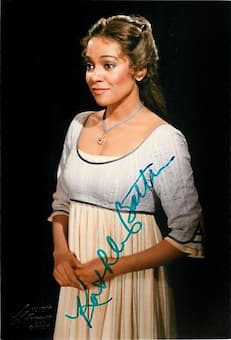 In 1977, Battle was offered the role of the shepherdess in Wagner’s Tannhäuser at the Metropolitan Opera. A biographer wrote, “Battle’s physical beauty, captivating stage presence, and a seemingly effortless virtuosity quickly made her a favorite there; and the following years secured her reputation.” Possessing a light voice of extreme agility, Battle avoided the heavier operatic roles. Unsurprisingly, Mozart is one of her favorite composers with the clarity of line, rhythmic vitality, “and the appropriateness of the color and weight of his music seemingly composed especially for her voice.” The range of her repertoire spans three centuries, and for her Covent Garden debut she sang Zerbinetta in Ariadne auf Naxos; she became the first American to be honored with a Laurence Olivier Award for Best Performance in a New Opera Production. Kathleen Battle has won five Grammy awards for her wide-ranging recordings, and she has garnered eight honorary doctoral degrees. Battle remains committed to non-classical music genres and has performed with popular music artists such as James Ingram and Alicia Keys. In the words of a scholar, “Battle continues to govern her singing with technical finesse and thrill audiences with her attractive stage presence and the sheer beauty of her voice.”
For more of the best in classical music, sign up to our E-Newsletter
Kathleen Battle Sings R. Strauss’ “Zerbinetta’s Monologue”





I’ve heard her sing and yes she has a BEAUTIFUL voice, but what stands out to me that made her beautiful to me, besides how she looked was her personality and kind heart. My great Aunt Lou lived next door to Kathleen. To this day I still have the picture of her at age about 14 in my Aunt’s back yard playing with a lonely and bored little six year old, and it wasn’t because she was a teenager babysitting me who had to play with me. I also have a memory of her having a BEAUTIFUL niece that was born with some condition that would never allow her to mentally develop into an adult, that she would remain like a baby and how much love she had for her and how much her niece lit up and responded to her. These are the qualities we should focus on about people, not the unknowns on truth or fiction in the rumors on social media about the private lives of celebrities,except for the pictures THEY post. Therefore the old saying,”Believe half of what you see, and none of what you hear”! Social media fanatics, GET A LIFE, OF YOUR OWN!!!
Rudolf Bing left the Metropolitan Opera in 1972, years before Ms. Battle ever sang there. She was fired by Joseph Volpe.
I loved her voice. Never got a chance to see her in person but videos of her on TV loved her and missed her singing and always wondered what happened to her and why she disappeared. I too would like to hear her side of the story.
If you are interested, she is performing at the Met this May 21, 2024. Tickets go on sale to public March 22.
She got fired from the Met. For tantrums (was the gossip of the times), and thereafter, she reduced her operetic stage presence. She still recorded and did live shows though. 22 years after the firing, she was asked back and she returned.
Ms Battles voice mesmerized me the first time I heard it. Truly stunning and gifted.
Kathleen Battle has the greatest voice that I have ever heard. I studied music at conservatory level and have asked many singers to suggest anyone who can compete. None came close! I listen to her most days.
Sumi Jo can compete.
How easy it is to condemn someone’s emotional state. Operatic soloists have a fragile instrument to nurture throughout their performing careers whilst knowing that all eyes and ears are on them with an expectation of them being “at the top of their game” at all times. Callas endured the same lack of consideration regarding the personal and professional pressures she had to endure and she too had performance and expectation issues with The Met. As in everyone’s life, not everything is constant with regard to one’s physical and emotional status. At The Met, the vocally critical members of the orchestra had constant workplaces and no one would know if they had an “off day”. Opera soloists have little time in their often frantic peripatetic careers to adjust to yet another venue, with new stage sets and production values to learn whilst coping with new costumes etc., and also having to keep their voices in trim. And what about bodily functions? Women have to cope with menstruation and the menopause whilst pursuing their performing careers and it should be noted that both Battle and Callas were in a critical period of their lives for potential changes in their vocal status. So, perhaps their vocal fragility caused them to protect their asset and became demanding to an excessive degree. Having to live with everyone’s expectation of a “perfect performance” is onerous and it isn’t surprising to me that there are casualties along the way to a “night at the opera”.