Ludwig van Beethoven (1770–1827) may have written only nine symphonies (a pittance compared with Haydn’s 104 and Mozart’s 41), but in those nine works, he managed to thoroughly expand a form that might have become a bit too complacent. From his earliest days, he’d been planning a symphony, but first had to learn how to be a composer. When he moved to Vienna at age 21, he started with a not-altogether-successful set of lessons with Haydn. Beethoven then assumed the title left by the recently deceased Mozart of virtuoso pianist and found a patron in Karl Alois, Prince Lichnowsky, for whom he wrote his Opus 1 piano trios.
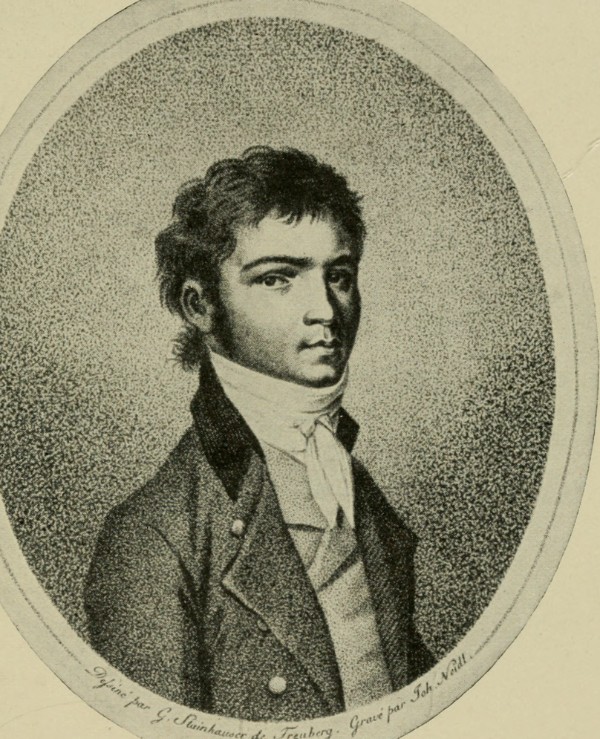
Joseph Neidl: Beethoven (based on a now-lost portrait of Beethoven by Gandolph Ernst Stainhauser von Treuberg from 1800), 1801
It wasn’t until 1800, when he was 30, that Beethoven’s symphonic dreams came true. Although his work has much to do with early symphonists, there’s much in here that is pure Beethoven, including the frequent use of sforzandi (a sudden change in dynamics), sudden shifts to new tonal centres (highly unusual for the symphony), and innovative use of wind instruments. All of his earlier work starts to come together in his first symphony.
The work is dedicated to Baron van Swieten, who had been a major factor in Beethoven’s introduction to his well-placed friends. A Dutch-born diplomat, van Swieten served the Holy Roman Emperor as Ambassador to the court of Frederick the Great of Prussia. This well-known musical ruler affected van Swieten to study with Johann Philipp Kirnberger, a former student of J.S. Bach’s and was part of Princess Anna Amalia’s court circle that played the music of Bach and Handel.
When he returned to Vienna in 1777, van Swieten was appointed imperial librarian (a post that had been vacant since his father’s death 5 years earlier) and, eventually, a Councillor of State, becoming, in essence, the Minister of Culture. He was a composer with operas and symphonies to his credit, although their quality is now considered low. He led a group of aristocratic music lovers who spent their time going through the scores of Bach and Handel and, in his sponsorship of Beethoven, introduced him to this music of the past.
Berlioz and Mahler saw Beethoven’s first symphony as very much a part of the Mozart–Haydn tradition. His innovations still fit within known boundaries. If he had tried to be pure Beethoven, he would have failed. But, by using the methods set up by his predecessors, including ‘succinct theme capable of extensive development, endlessly imaginative melodic manipulation; startling dynamic contrasts; complete, if sometimes radical, formal mastery’. All of these come from Haydn and Mozart, but in the hands of Beethoven, transcend what came before.
Although the critics at the work’s premiere felt he’d made too much of the wind section, later assessments changed this opinion, and it received special praise.
Ludwig van Beethoven: Symphony No. 1 in C Major, Op. 21 – I. Adagio molto-Allegro con brio
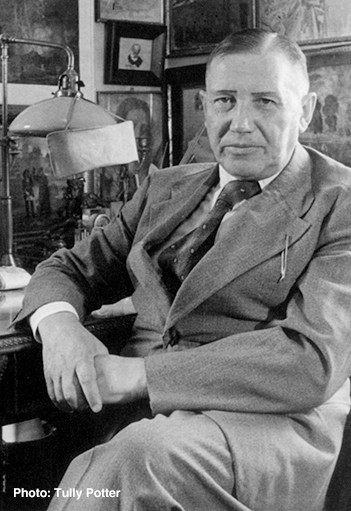
Nikolai Golovanov (photo by Tully Potter)
This 1949 recording was made by Nikolai Golovanov, leading the Radio Symphony Orchestra of the USSR. Nikolai Golovanov (1891–1953) was a leading Soviet composer, who is best known for his leadership of the Bolshoi Opera. His recordings cover both symphonic works and opera, including Mussorgsky’s Boris Godunov and Rimsky-Korsakov’s Sadko and Christmas Eve. His style has been compared to Toscanini‘s, but not favourably. He was seen as controlling, following his own ideas of the music and ignoring the composers’ markings in scores. An ‘overloaded sense of sonority’ meant a very full sound, as evidenced in this recording. At the same time, his flexible (i.e., inconsistent) beat means that tempo, phrasing, and dynamics could be difficult for the orchestra. His very public dismissal from the Bolshoi by Stalin is considered one of the factors leading to his early death.
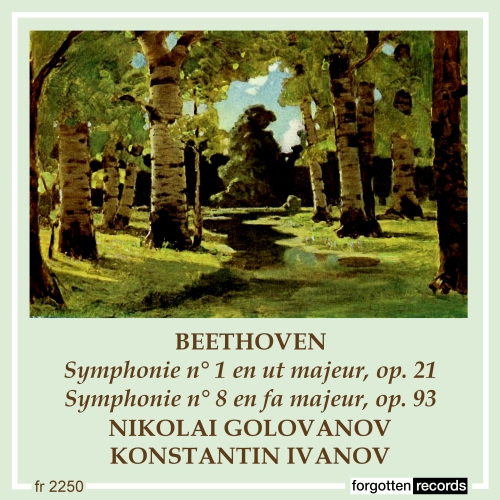
Performed by
Nikolai Golovanov
Radio Symphony Orchestra of the USSR
Recorded in
1949
Official Website
For more of the best in classical music, sign up for our E-Newsletter