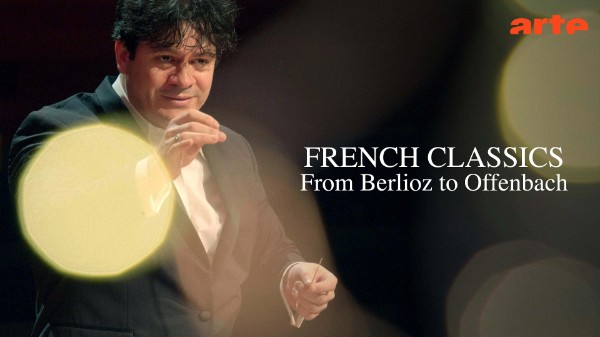
Produced by ARTE Concert in 2021, Cristian Măcelaru and the Orchestre National de France present a festive orchestral concert dedicated entirely to the French classical repertoire.
The title of the programme derives from the shimmering second movement of Hector Berlioz’s Symphonie fantastique, and it also features selections by Camille Saint-Saëns, Jacques Offenbach, Claude Debussy, and Emmanuel Chabrier.
Joined by violin soloist Sarah Nemtanu and clarinet soloist Carlos Ferreira, this festive concert invites listeners into the wonderful world of dance-inspired French music.
Grand Bal Symphonique
Available until 03/12/2027
Cristian Măcelaru
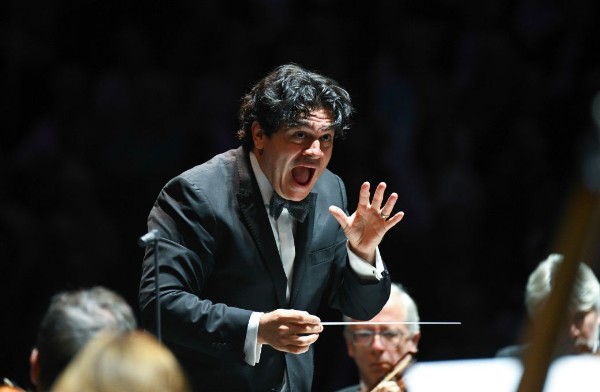
Cristian Măcelaru
GRAMMY® Award-winning conductor Cristian Măcelaru is a busy man. Currently he is Music Director of the Cincinnati Symphony Orchestra, Music Director of the Orchestre National de France, Artistic Director of the George Enescu Festival and Competition, and Artistic Director and Principal Conductor of the Interlochen Center for the Arts’ World Youth Symphony Orchestra.
He is also the Music Director and Conductor of the Cabrillo Festival of Contemporary Music and Distinguished Visiting Artist at The Shepherd School of Music at Rice University. In addition, he also serves as Artistic Partner of the WDR Sinfonieorchester in Cologne, where he held the position of Chief Conductor from the 2019/2020 through 2024/25 seasons.
Măcelaru was born in Romania as the youngest of ten children. He initially built his career as a violinist, becoming the youngest concertmaster in the history of the Miami Symphony Orchestra. His instrumental background decisively shaped his musical personality as a conductor. Serving as Music Director of the Orchestre National de France since 2020, he has championed both the French symphonic tradition and contemporary repertoire.
Debussy Rhapsodie
In works by Berlioz, Offenbach, and Chabrier, Cristian Măcelaru explores the delightful freshness and sparkle of French orchestral music. However, the programme also features two works for piano and solo instrument, subsequently orchestrated by their respective composers.
Claude Debussy wrote only two works featuring the solo clarinet. As a member of the Supreme Council of the Music Section of the Paris Conservatoire, it was his duty to write pieces for the wind instrument examinations. As such, the Rhapsodie for clarinet and piano was completed in January 1910, with the composer declaring it “one of the most pleasing pieces I have ever written.”
Pierre Boulez describes it as “hovering between reverie and scherzo,” and the piece represents a fluid example of Debussy’s late style. It is dedicated to Prosper Mimart, professor of clarinet at the Paris Conservatoire, who gave its public premiere in 1911.
Since then, it has established itself as one of the most frequently performed of all the works in the accompanied solo clarinet repertoire. It builds from a series of intervals heard in the first four bars of the accompaniment, and exploiting a wide dynamic range, Debussy presents a seemingly endless palette of colour. Don’t let the beauty of the music fool you, as it is one of the most challenging pieces written for clarinet in the early 20th century.
Saint-Saëns Havanaise
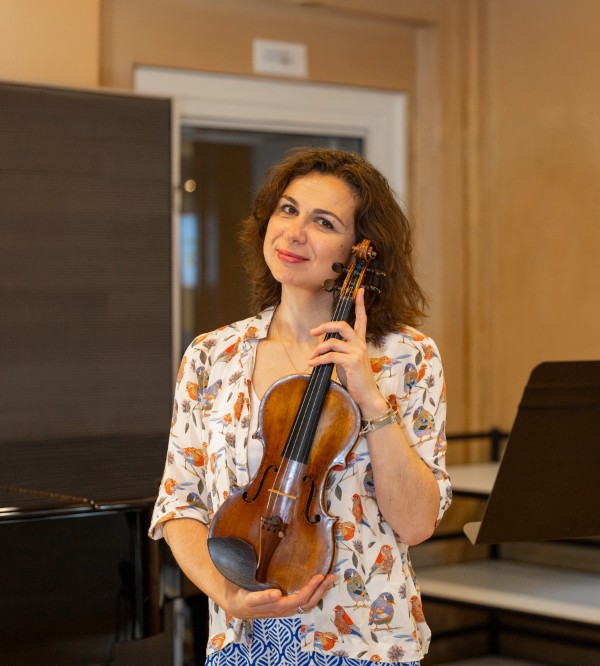
Sarah Nemtanu
Legend has it that Camille Saint-Saëns composed his Havanaise Op. 83 by listening to the sound of a fire crackling in the hearth of his hotel room in Brest. The composer was on tour with the Cuban violinist Raphael Diaz Albertini, and he was quickly drawn to this syncopated dance.
Originally written for violin and piano, the work was published in 1888 in Paris. The piece stands at the intersection of virtuoso display and cultivated exoticism. The habanera rhythm had already captured the European imagination, and it is now filtered through a Parisian sensibility.
A gently syncopated pulse provides the distinctive atmosphere, as the piece unfolds with poised restraint. The solo violin weaves lyrical introspection and occasional passages of understated virtuosity above transparent orchestral textures.
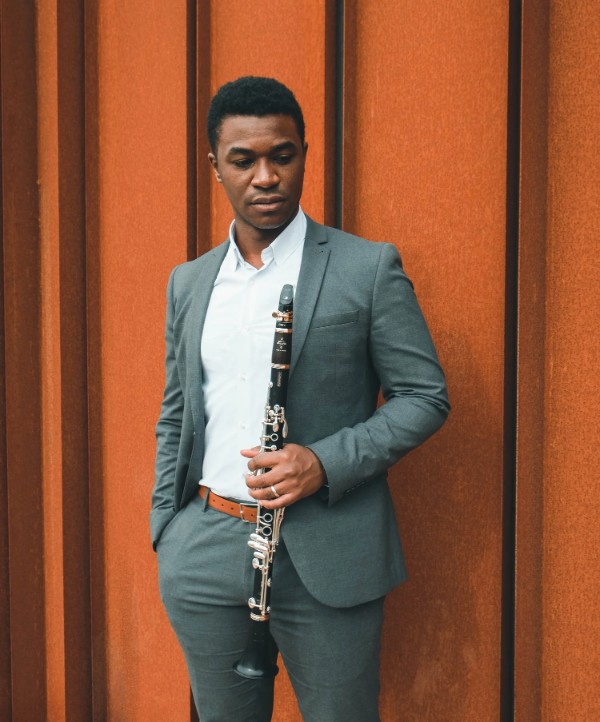
Carlos Ferreira
It is technically demanding, yet the music retains a sense of elegance and clarity. There is no cultural appropriation here, as Saint-Saëns isn’t painting a picture, nor does he offer sound imagery or an overarching narrative. He simply provides us with a compelling abstracted image of musical Cuba in a richly orchestral sound balanced by the singing voice of the violin.
In this ARTE Concert production, Cristian Măcelaru and the Orchestre National de France, alongside soloists Sarah Nemtanu and Carlos Ferreira, provide us with a highly enjoyable programme inspired by the sparkling orchestral imagination of 19th-century France.
For more of the best in classical music, sign up for our E-Newsletter
Grand Bal Symphonique with the Orchestre Nationale de France