The French composer Darius Milhaud, born on 4 September 1892 in Marseilles, was associated with the avant-garde Les Six of the 1920s. He was a pioneer in the use of percussion, polytonality, jazz, and aleatory techniques, with his music reflecting a kaleidoscope of influences.
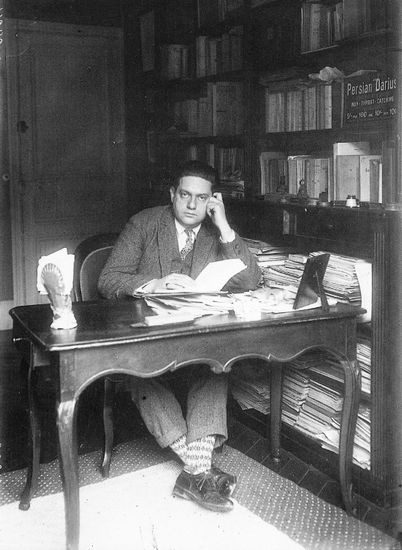
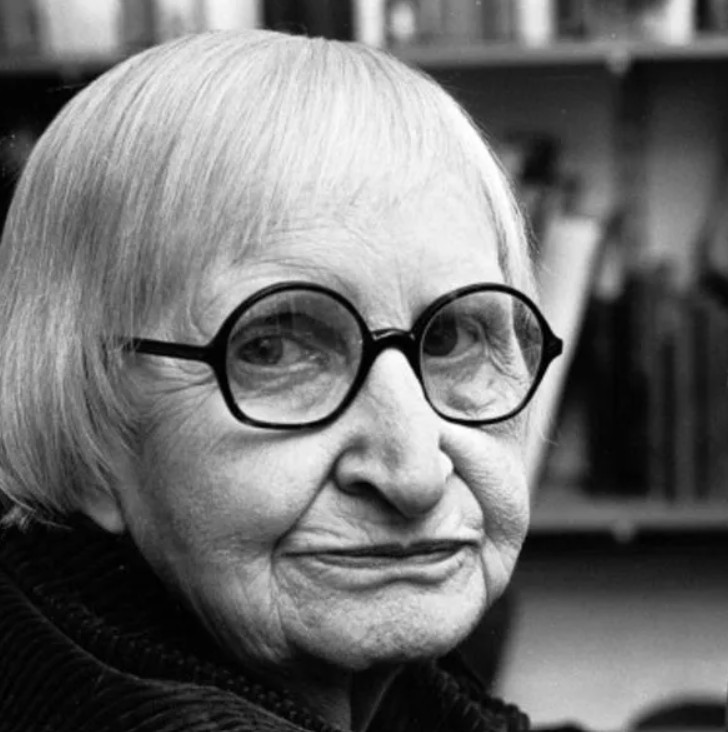
Darius Milhaud
One of the most prolific and versatile composers of the 20th century, the piano, as both a solo and collaborative instrument, occupies a central role in Milhaud’s compositional output. Milhaud’s engagement with the piano reflects his broader compositional philosophy, which embraced eclecticism and cross-cultural influences.
The piano, with its capacity for percussive rhythms, polytonal harmonies, and lyrical expressiveness, was the ideal instrument for realising these influences. On the occasion of his birthday on 4 September, let’s explore the piano as a cornerstone of Milhaud’s compositional legacy.
Darius Milhaud: Scaramouche, Op. 165b
Saudades do Brasil
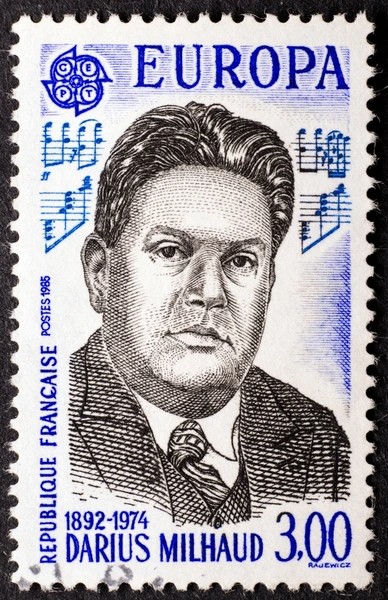
Darius Milhaud featured on a stamp design
One of Milhaud’s most celebrated contributions to piano literature is his Saudades do Brasil, composed between 1920 and 1921. It is a suite of twelve dances inspired by his time in Brazil as a diplomatic secretary to the poet and diplomat Paul Claudel. Stationed in Rio de Janeiro, Milhaud was captivated by the vibrant rhythms and rich tapestry of urban musical traditions.
The term “saudades” is of Portuguese origin and connotes deep and nostalgic longing. It reflects Milhaud’s emotional response to Brazil upon his return to France, where he began composing the suite. According to Barbara Kelly, “Saudades do Brasil is not merely an evocation of Brazilian music but a sophisticated synthesis of Milhaud’s modernist techniques with the cultural impressions he gathered.”
Each movement of the suite is named after a neighbourhood in Rio, evoking its unique atmosphere through vivid musical imagery. For example, “Copacabana” pulses with syncopated rhythms and lush harmonies, while “Ipanema” exudes a lyrical, almost nostalgic charm. The suite’s polytonal framework, where melodies in one key are accompanied by chords in another, creates a shimmering, kaleidoscopic effect that feels both modern and deeply rooted in Brazilian sensuality.
Milhaud’s fascination with polytonality is a hallmark of his piano music. Unlike the atonal experiments of Schoenberg or the neoclassical clarity of Stravinsky, Milhaud’s use of multiple tonal centres creates a sense of harmonic freedom that is both disorienting and exhilarating. Saudades do Brasil occupies a significant place in Milhaud’s oeuvre and in 20th-century music, as it bridges the gap between European modernism and non-Western musical traditions.
Darius Milhaud: Saudades do Brazil (Suite de danses) (Alexandre Tharaud, piano)
Le Printemps I
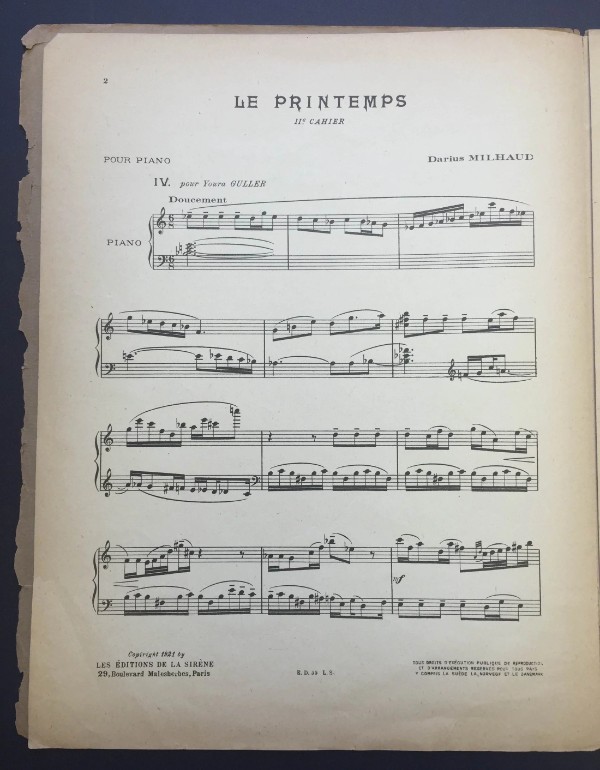
Darius Milhaud: Le Printemps
Among Milhaud’s extensive oeuvre, the two books of Le Printemps for solo piano stand out as exquisite miniatures that encapsulate his innovative approach to harmony, rhythm, and form. These six short pieces, three in each book, evoke the freshness and vitality of spring through Milhaud’s signature polytonality and neoclassical clarity.
Milhaud composed Le Printemps during a transformative period in his career, straddling the end of World War I and the early 1920s. It was written during a time when European music was grappling with the aftermath of war and the rise of modernist aesthetics.
Le Printemps was composed in two phases: Book 1 (Op. 25) between 1915 and 1919, and Book 2 (Op. 66) in 1920. The first book emerged during Milhaud’s early experiments with polytonality, a technique he would later refine, while the second book reflects a more confident and polished application of this approach.
Milhaud’s choice of short, character-driven pieces mirrors the miniature forms favoured by composers like Debussy and Ravel, yet his use of polytonality sets him apart, creating a sound world that is both familiar and startlingly new.
Darius Milhaud: Printemps No. 1, Op. 25 (Corinna Simon, piano)
Le Printemps II
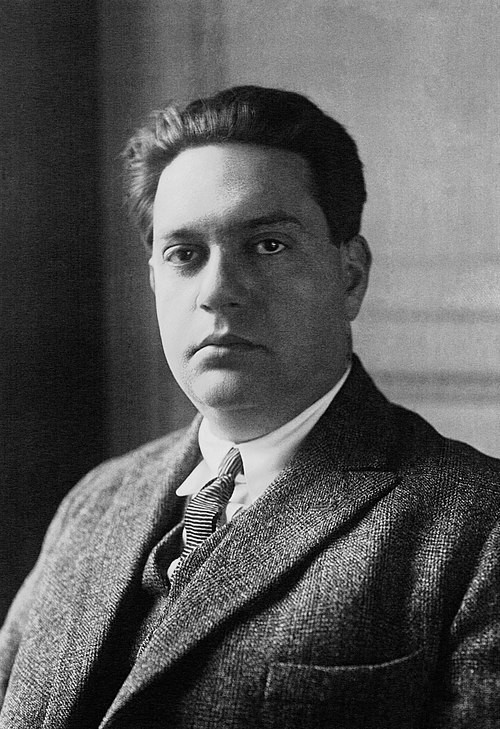
Darius Milhaud
Le Printemps, Book 1 comprises three concise, untitled piano pieces, each lasting one to two minutes, marked by vivid imagery and polytonality. No. 1 features a sprightly C major melody against A-flat major chords, creating a shimmering, syncopated energy that evokes spring’s budding vitality. No. 2, more introspective, pairs a lyrical F major melody with a D major accompaniment, its pastoral mood enhanced by pedal points and soft dynamics.
No. 3’s lively bitonality alternates G major and E-flat major, with rapid scales and dynamic shifts reflecting spring’s capriciousness. Book 2 (Op. 66), composed post-Brazil, incorporates syncopated maxixe and tango rhythms. No. 1’s bold ABA form balances exuberance and lyricism in C major and B-flat major. No. 2, a delicate waltz, blends A major and F-sharp major with subtle syncopations. No. 3’s virtuosic arpeggios and D major-B-flat major interplay demand technical precision, evoking spring’s vibrant bloom through intricate, kaleidoscopic textures.
Le Printemps are miniature masterpieces that encapsulate Milhaud’s innovative spirit and cosmopolitan vision. Through polytonality, neoclassical clarity, and rhythmic vitality, these pieces evoke the essence of spring while pushing the boundaries of piano music.
Their historical significance lies in their contribution to the modernist movement and their influence on subsequent composers, while their enduring appeal stems from their vivid imagery and expressive depth. As Milhaud himself wrote, music should be “a reflection of life’s joy and complexity”
Darius Milhaud: Printemps No. 2, Op. 66 (Christian Ivaldi, piano)
Trois Rag-Caprices
Darius Milhaud’s Trois Rag-Caprices, Op. 78, epitomises his eclectic style, blending American ragtime with French neoclassical elegance. Composed after Milhaud’s exposure to jazz in London and Harlem in the early 1920s, these three short pieces capture the syncopated vitality of ragtime while showcasing his signature polytonality and rhythmic sophistication.
Jazz’s syncopated rhythms and improvisatory spirit resonated with Milhaud’s love of rhythmic vitality and freedom. Written initially for piano and later orchestrated, the Rag-Caprices reflect Milhaud’s fascination with the Jazz Age’s exuberance, filtered through his modernist lens.
We find plenty of syncopated rhythms with Milhaud’s harmonic adventurousness adding a distinctly French twist. Milhaud’s use of polytonality in the Rag-Caprices serves not only as a structural device but also as a means to amplify the music’s expressive colour. These pieces, as a scholar writes, “bridge high and low art, merging popular American idioms with the sophistication of the French avant-garde.”
Darius Milhaud: 3 Rag Caprices, Op. 78 (version for piano) (Cristina Ariagno, piano)
Piano Concerto No. 1
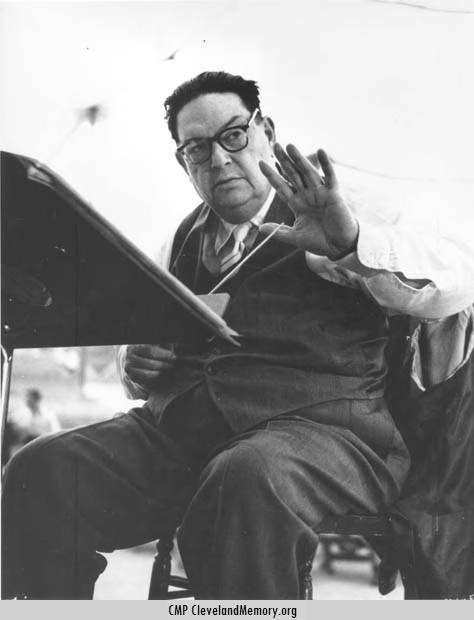
Darius Milhaud
Milhaud’s 1st Piano Concerto was composed during a period of intense creativity, and it reflects his engagement with neoclassicism, polytonality, and global musical influences, including jazz and “Brazilian rhythms encountered during his travels.”
Premiered in 1931, the concerto showcases Milhaud’s ability to balance virtuosic piano writing with vibrant orchestral interplay, creating a work that is both intellectually rigorous and irresistibly lively.
The concerto is structured in three concise movements and opens with a spirited “Allegro,” where “the piano’s incisive melodies in C major are juxtaposed with orchestral harmonies in contrasting keys, a hallmark of Milhaud’s polytonal style.” Syncopated rhythms and jazzy inflections drive the movement, demanding technical agility and rhythmic precision from the pianist.
The lyrical “Adagio” offers a moment of introspection, while the finale bursts with energy, blending motoric rhythms and playful thematic exchanges between soloist and orchestra.
Its neoclassical clarity, combined with modernist harmonic experimentation, aligns with the aesthetic of Les Six, while its vibrant energy captivates audiences. With its fusion of sophistication and exuberance, the concerto makes a rewarding challenge for performers.
Darius Milhaud: Piano Concerto No. 1, Op. 127 (Philippe Entremont, piano; Paris Conservatoire Orchestra; Darius Milhaud, cond.)
Concerto for 2 Pianos
Darius Milhaud composed his Concerto for Two Pianos and Orchestra during exile in the United States after fleeing Nazi-occupied France. The work reflects Milhaud’s resilience and creative adaptability as he infuses the musical narrative with American jazz, Brazilian rhythms, and his Provençal heritage.
A vibrant testament to his eclectic style, Milhaud pushes the boundaries of texture and interplay, with the two pianos engaging in a lively dialogue that ranges from competitive to collaborative. Premiered in 1942, the work is structured in three movements and opens with a lively “Allegro,” where the pianos engage in a polytonal dialogue with melodies in C major and G major clashing against orchestral harmonies in contrasting keys.
The lyrical “Andante” offers a moment of serene introspection, with the pianos weaving delicate melodies over a lush orchestral backdrop. To some scholars, this “evokes Milhaud’s
Provençal lyricism.” The finale is a virtuosic tour de force, with rapid scalar passages and playful thematic exchanges that highlight the pianos’ competitive yet collaborative dynamic.
This work exemplifies Milhaud’s ability to fuse modernist techniques with accessible, exuberant expression. Its technical demands, including synchronising polytonal layers and rhythmic complexities, challenge performers to balance virtuosity with expressive nuance. This work’s enduring appeal surely lies in its infectious energy and innovative spirit.
Darius Milhaud: Concerto No. 1 for 2 Pianos, Op. 228 (Genova and Dimitrov Piano Duo, Ensemble; South West German Radio Kaiserslautern Orchestra; Alun Francis, cond.)
4 Romances sans paroles
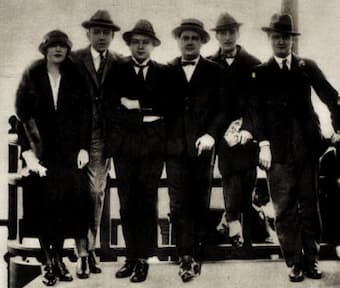
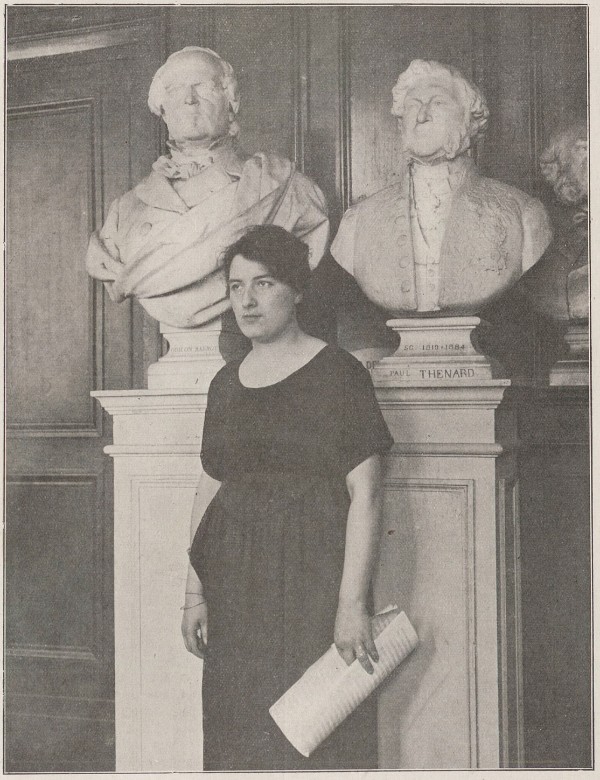
Milhaud as part of Les Six
Darius Milhaud’s Quatre Romances sans paroles, in 1933, is a set of four short piano pieces that reflect his characteristic blend of lyricism, neoclassicism, and subtle modernist experimentation. Named after Felix Mendelssohn’s “Songs Without Words”, Milhaud’s Romances pay homage to the romantic tradition of expressive, song-like piano miniatures while infusing them with his distinctive harmonic and rhythmic language.
The title evokes the lyrical piano miniatures of Mendelssohn, which were designed to capture the expressive qualities of vocal music within an instrumental context. Milhaud’s choice of title suggests a dialogue with 19th-century romanticism, but his approach is filtered through a modernist lens, incorporating his signature polytonal harmonies and rhythmic vitality.
According to J. Drake, “the Quatre Romances sans paroles can be seen as part of Milhaud’s broader project to reconcile tradition with innovation, using the piano as a vehicle for intimate, song-like expression within a modernist framework.”
Through its expressive melodies, subtle polytonality, and neoclassical clarity, the work showcases the piano’s versatility as a medium for Milhaud’s eclectic aesthetic. As such, a number of scholarly studies have underscored the piece’s significance as a bridge between romantic tradition and modernist experimentation.
Darius Milhaud: 4 Romances sans paroles, Op. 129 (Grant Johannesen, piano)
A Musical Ode to Domesticity
Composed in 1944 during his wartime exile in the United States, La muse ménagère is a charming and introspective piano suite that celebrates the quiet beauty of everyday life. Dedicated to his wife Madeleine, the work comprises fifteen short movements, each depicting a facet of domestic routine.
We find cooking, laundry, and gardening activities transformed into musical vignettes through Milhaud’s lyrical and polytonal lens. Written amidst global upheaval and severe personal health problems, this suite reflects Milhaud’s ability to find inspiration in the mundane, offering a testament to resilience and creativity.
The suite’s structure is intimate, with each movement capturing a snapshot of household life. However, La muse ménagère transcends mere domestic portraiture, embodying Milhaud’s philosophy of finding art in the ordinary. It reflects a longing for normalcy, with the piano becoming a canvas for an intimate narrative.
Scholarly analyses praise the suite’s delicate balance of wit and sincerity, noting “its poetic evocation of the everyday.” In this suite, Milhaud transforms the prosaic into the profound, inviting listeners to find beauty in life’s simple moments.
Darius Milhaud: La muse ménagère, Op. 245 (Madeleine Milhaud, narrator; Alexandre Tharaud, piano)
Fusion of Innovation and Emotion
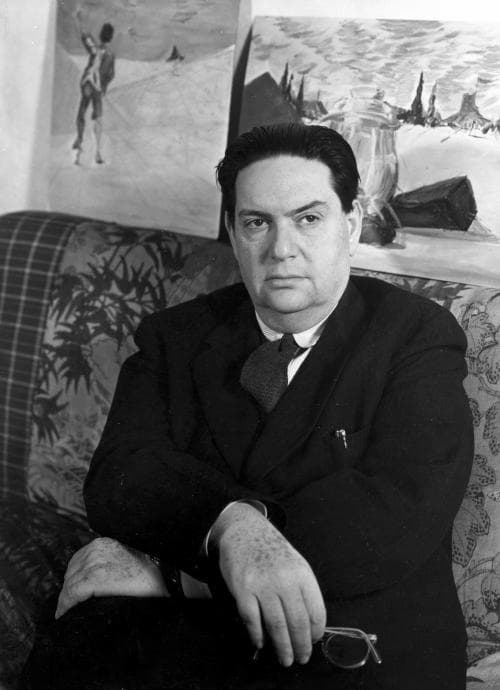
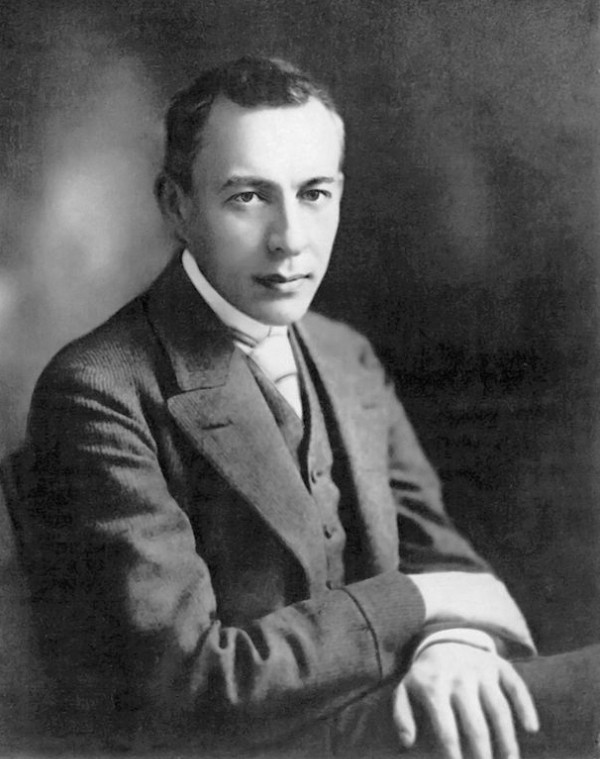
Darius Milhaud
For modern pianists and audiences, Milhaud’s piano music offers a refreshing antidote to the often-serious tone of 20th-century repertoire. His works are not only technically rewarding but also emotionally engaging, inviting listeners into a world of vibrant colours and unexpected harmonies.
Performing Milhaud requires a willingness to embrace his eclectic spirit, to navigate the interplay of multiple keys, and to convey the infectious energy that permeates his music. His compositions challenge pianists to think beyond traditional tonal frameworks while remaining grounded in the instrument’s expressive possibilities.
Milhaud’s piano music stands as a testament to his boundless creativity and cosmopolitan vision. From the sun-drenched melodies of Provence to the syncopated rhythms of Brazil and the jazzy exuberance of America, his works weave a rich tapestry of influences into a distinctly personal style. His use of polytonality, rhythmic vitality, and playful experimentation pushed the boundaries of piano music, while his warmth and accessibility ensured its enduring appeal.
For more of the best in classical music, sign up for our E-Newsletter