
Composers know only too well the difficulty of maintaining the highest quality of craftsmanship and expression across genres. Beethoven wrote some real clunkers, as did Schumann and Rachmaninoff. Because Brahms very carefully controlled his output—we know that he mercilessly burned
In tune
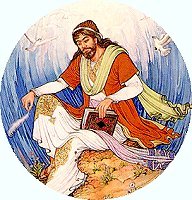

William Jones first translated Hafez into English in 1771. It quickly fired the imagination of writers and poets such as Thoreau and Ralph Waldo Emerson, who referred to him as “a poet’s poet.” Friedrich Engels, who together with Karl Marx
It has been said that every Iranian household contains two books, the Koran and Hafez. And a little saying suggests, “While one is read, the other is not.” More than 600 years after his death, the 14th-century poet Hafez of
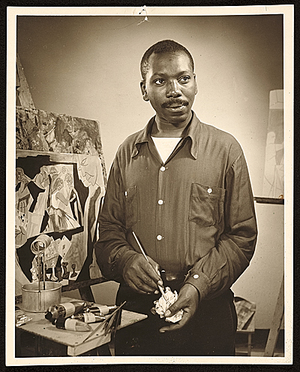
In recent years, migration has meant the vast movement of peoples across West Asia and Europe and the Americas, seeking shelter from military action or economic inaction. At the turn of the 20th century, in America there was also a
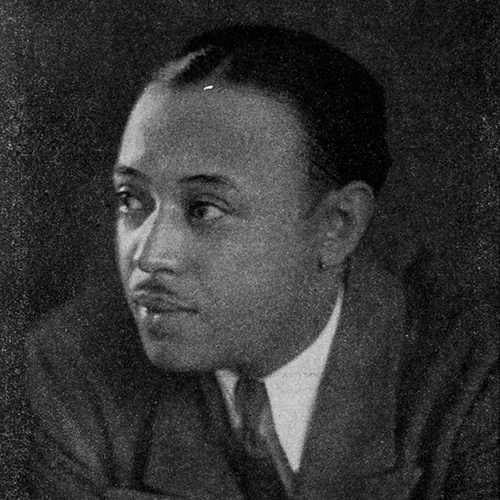
In 1943, William Grant Still wrote his Suite for Violin and Piano, which took as its inspiration three sculptures: Richmond Barthé’s African Dancer, Sargent Johnson’s Mother and Child, and Augusta Savage’s Gamin. Each of these works was created in the
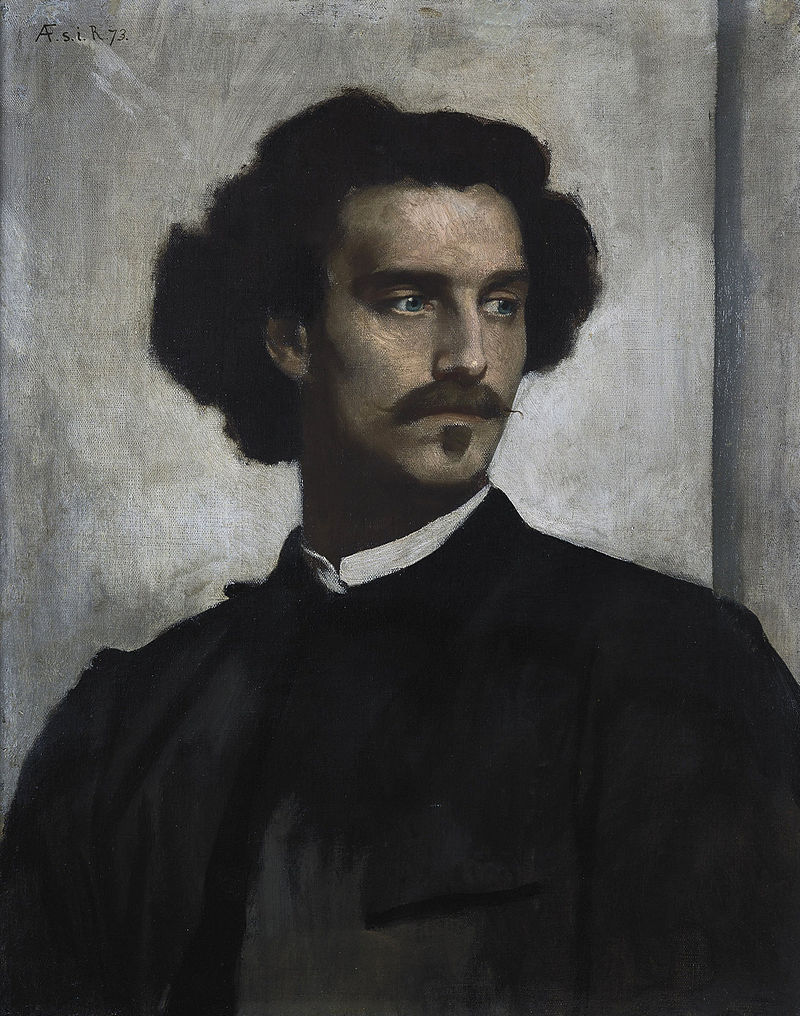
The classicist painter Anselm Feuerbach was one of the artists who formed a close friendship with Brahms, and who was often compared to him. He sought in his art to both follow a stringent aesthetic and a Classical restraint, while
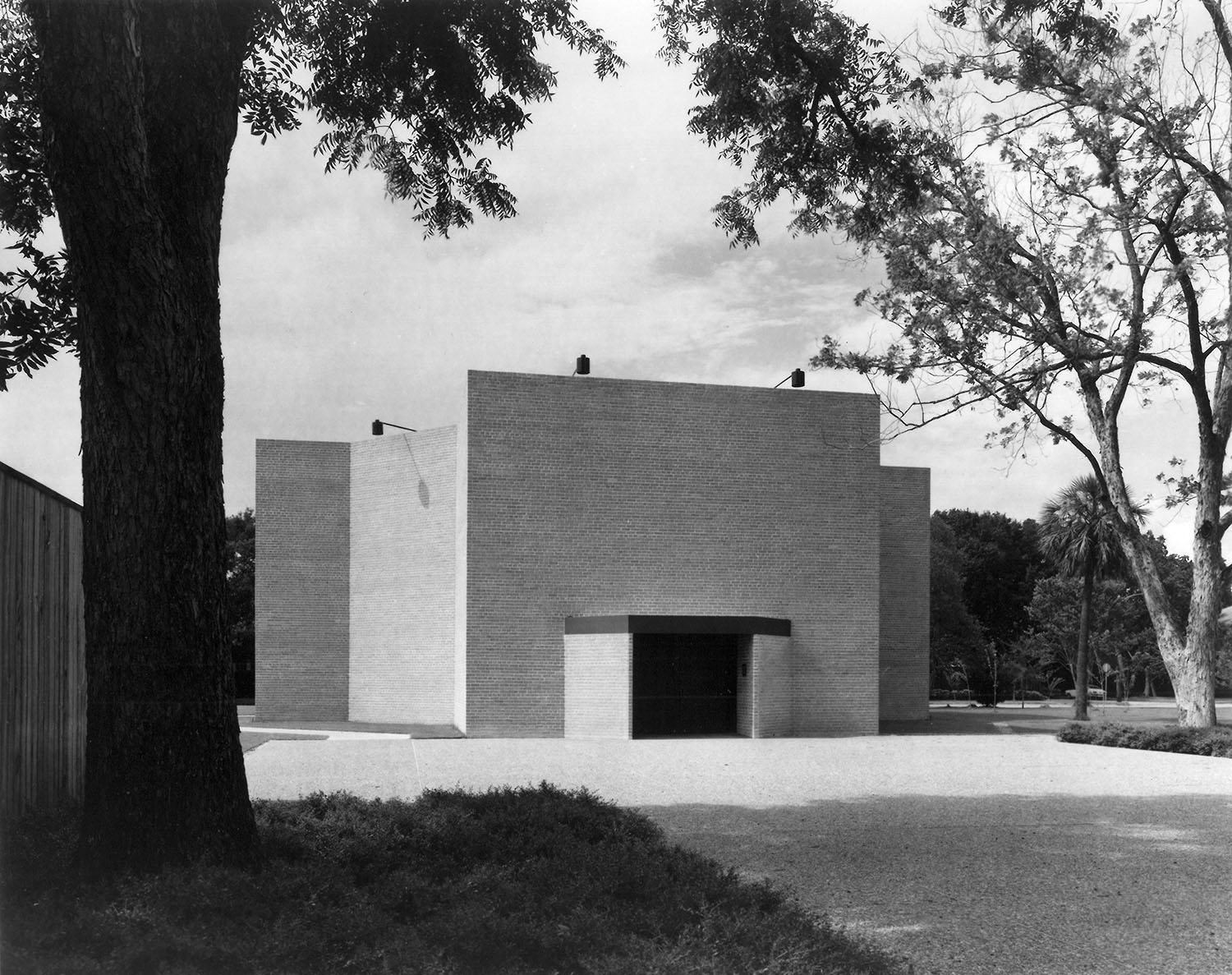
In the middle of Houston, Texas, lies a point of solitude. Given the title of a chapel, it’s a place for spiritual matters, but at the same time, it’s a gathering place for world leaders seeking solutions that will culminate
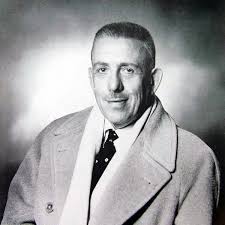
Francis Poulenc knew all the best poets, setting the works of Apollinaire and Éluard again and again. He set the poets to opera (Les Mamelles de Tiresias), for a cappella choir, for voice and piano, in a secular cantata (Figure