
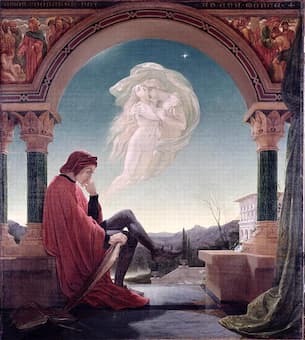
Dante Alighieri (1265-1321) was a keen observer of the human condition, and a number of his contemporaries become important characters in his “Divine Comedy.” One such contemporary was Francesca da Rimini, the daughter of Guido da Polenta of Ravenna. Francesca
In essence
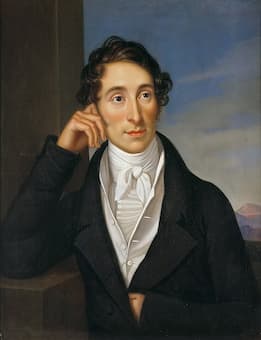
One of the most interesting cross-generational music styles is the theme and variations, particularly when a composer delves into the past to find his inspiration. How a work gets changed and modernized, its style developed, and a new work created
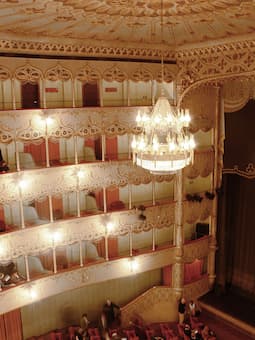
On 7 November 1699 the San Salvatore Theatre in Venice produced the drama per musica “L’amar per virtù” (To love for the sake of virtue), with music attributed to Antonio Draghi. The plot focuses on the establishment of Moorish rule

As the ‘Father of the String Quartet,’ Haydn did a great deal to standardize the quartet form that we love so well. And yet, while giving him this comfortable title, we always have to recognize his sense of humour in
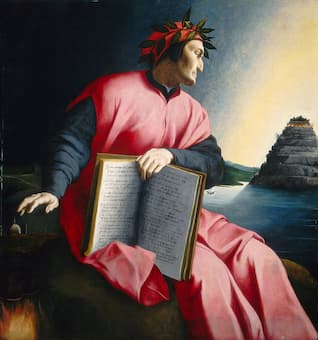
Dante Alighieri’s “Divine Comedy” contains 14, 233 lines of text divided into three main sections, “Hell, Purgatory, and Paradise.” As we might well imagine, there isn’t much music in Hell. It reverberates with “sighs, screams and lamentations, and different tongues

In his breakthrough instrumental piece, written in 1899 and given its premiere in 1902, Arnold Schoenberg (1874-1951) set aside all the vocal music he’d been writing to produce a work of true beauty. Verklärte Nacht (Transfigured Night) was based on
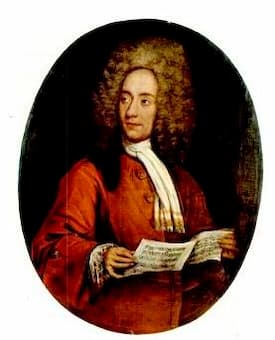
Tomaso Albinoni (1671-1750) and Johann Sebastian Bach (1685-1750) were contemporaries, but they never actually met. While Albinoni was at home on various Italian and international operatic stages, Bach never traveled far away from his native community in North-Germany. We do
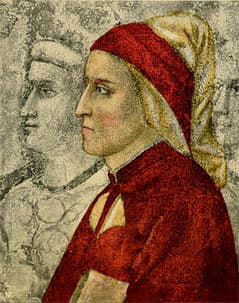
The poet, writer and philosopher Dante Alighieri—who died in Ravenna 700 years ago—is widely considered one of the most influential creative minds in Western culture. His “Divine Comedy” is not only one of the most important poems of the Middle