
Yuja Wang transcends the world of classical music, she is simply a force of nature. With a whirlwind of technical brilliance and an undeniable stage presence, this pianist has redefined what it means to be a classical artist in the
Articles

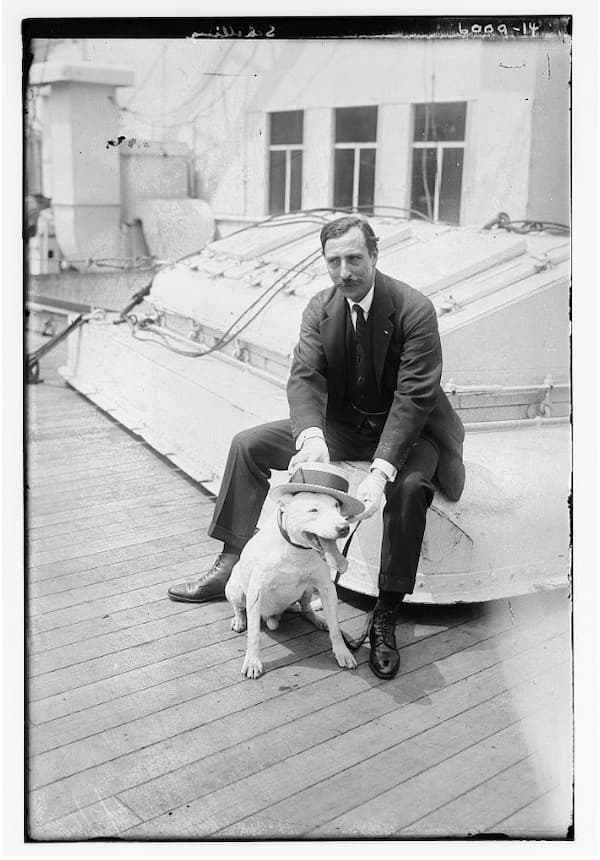
The American conductor who founded New York’s Young People’s Concerts preceded Leonard Bernstein by two generations His funeral was attended by all the greatest musical names of his time, including Toscanini, Barbirolli, Heifetz, Menuhin and Mengelberg. High society was represented
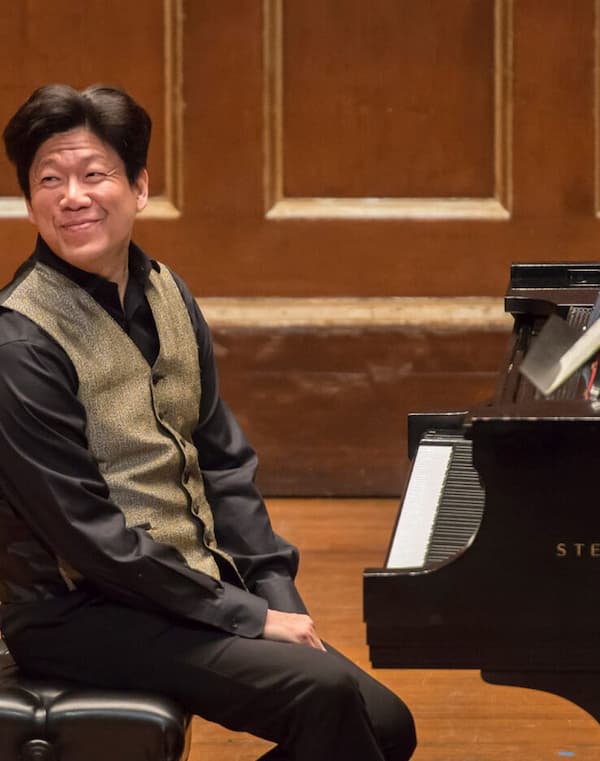
Even though I met Meng-Chieh Liu not too long ago, I already felt a great admiration for his virtuosic accomplishments, his sense of humanity, and his resilience in the face of adversity. Recognised as a prodigy growing up, he had
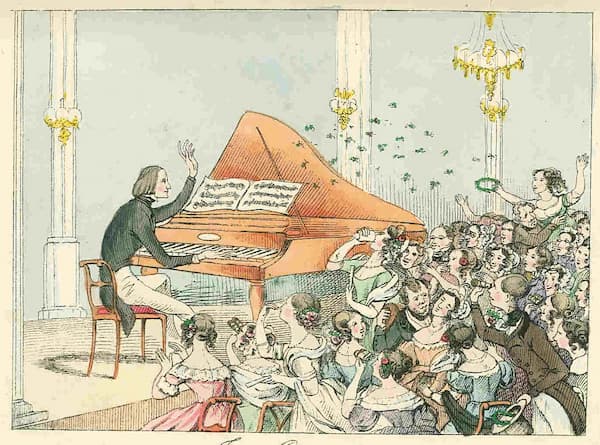
By the time he was fifteen, Franz Liszt had already begun work on what would become one of his most important early compositions; the Etude en douze exercices. This collection, first published in 1826 in both Marseille and Paris, was
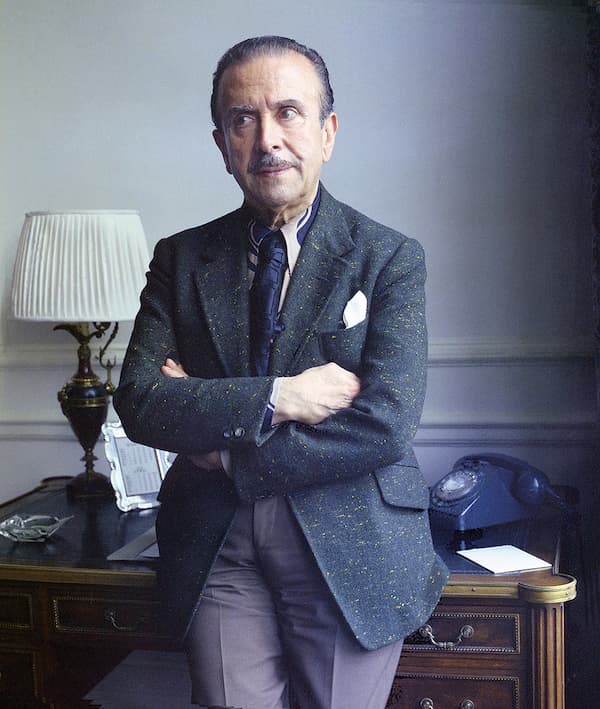
One of the 20th century’s most distinguished and revered pianists, Claudio Arrau, was known for his deeply introspective and technically flawless performances. Marked by its deep emotional resonance and intellectual rigour, his performances marked him as a true giant in
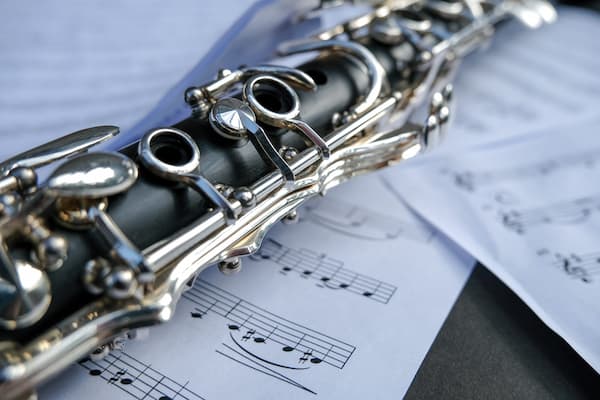
#PracticeMakesPerfect Like any art form, I think we can agree that music practice is never done. Why would I say that? Mastery of a piece is so much more than technical facility and accuracy. As we develop, learn, and grow,
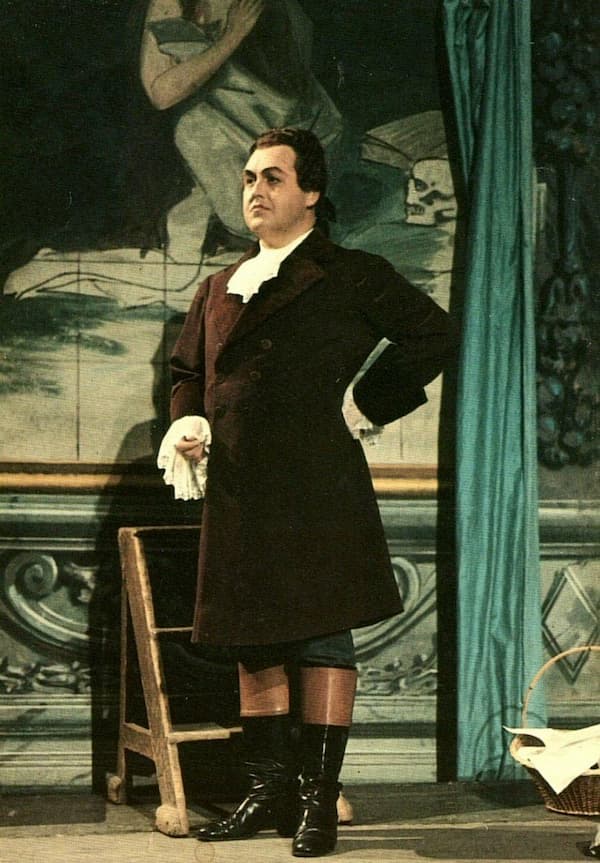
One of the most celebrated tenors of the 20th century, Jussi Björling, was known for his extraordinary vocal technique, purity of tone, and expressive power. Noted for its silvery and luminous quality, his voice was nothing short of legendary. With
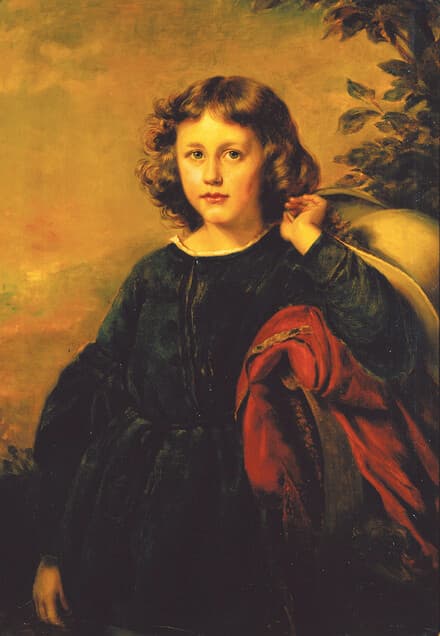
In the spring of 1836, Felix Mendelssohn met a singer named Cécile Charlotte Sophie Jeanrenaud, who was a member of the Cäcilienverein choir in Frankfurt. He was immediately attracted to her. That summer, he returned to Frankfurt, wanting to get