Unconscious bursts of creativity that engender significant artistic endeavors are not necessarily inspired by passionate romantic love alone. Greek mythology believed that this kind of stimulus came from nine muses, the inspirational goddesses of literature, science, and the arts. Muses were long considered the source of knowledge embodied in poetry, lyric songs and ancient myths. Throughout the history of Western art, artists, writers and musicians have prayed to the muses, or alternately, drawn inspiration from personified muses that conceptually reside beyond the borders of earthly love. True to life, however, composer inspiration has emerged from the entire spectrums of existence and being. Nature has always played a decidedly important role in the inspiration of various classical composers, as did exotic cities, landscapes or rituals. Composer inspiration is also found in poetry, the visual arts, and mythological stories and tales. Artistic, historical or cultural expressions of the past are just as inspirational as is the everyday: the third Punic War or the contrapuntal mastery of Bach is inspirationally just as relevant as are the virulent bat and camel. Composer inspiration is delightfully drawn from heroes and villains, scientific advances, a pet, or something as mundane as a hangover. Discover what fires the imagination of people who never stop asking questions.
With his masterworks La Mer and Prélude à l’après-midi d’un faune, Claude Debussy reshaped the landscape of orchestral music by emphasising atmosphere, colour, and subtle harmonic explorations. Yet surprisingly, his orchestral catalogue contains a lesser-known work that has eluded widespread
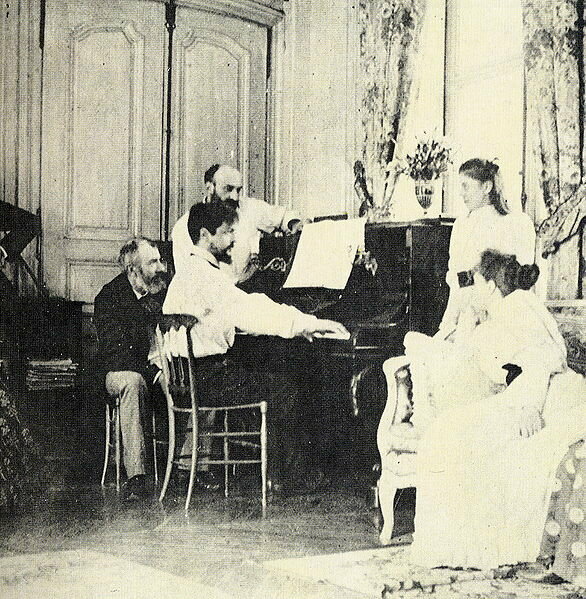
Let’s continue to look at Debussy’s relationships with his fellow artists and musicians. The Scottish operatic soprano Mary Garden wrote, “I honestly don’t know if Debussy ever loved anybody really. He loved his music – and perhaps himself. I think
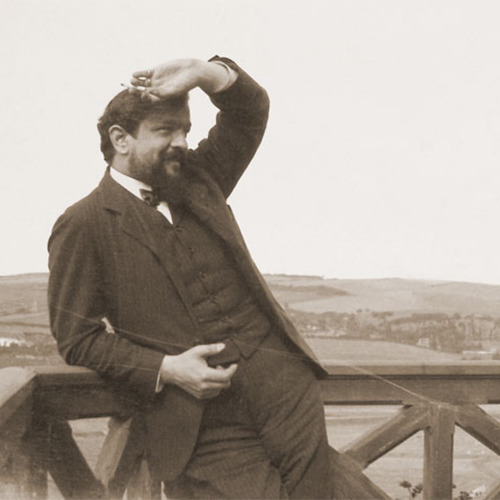
For a good many of his contemporaries, Claude Debussy was considered unsociable and reserved. Some writers even describe him as having “little strength of character.” To be sure, he frequently distanced himself from most musicians and tended to mingle with
In 1920, Henry Prunières, editor of the French music journal Revue Musicale, commissioned 10 of the leading composers of the day to contribute to a work in memory of Claude Debussy, who had died from cancer 2 years earlier. The
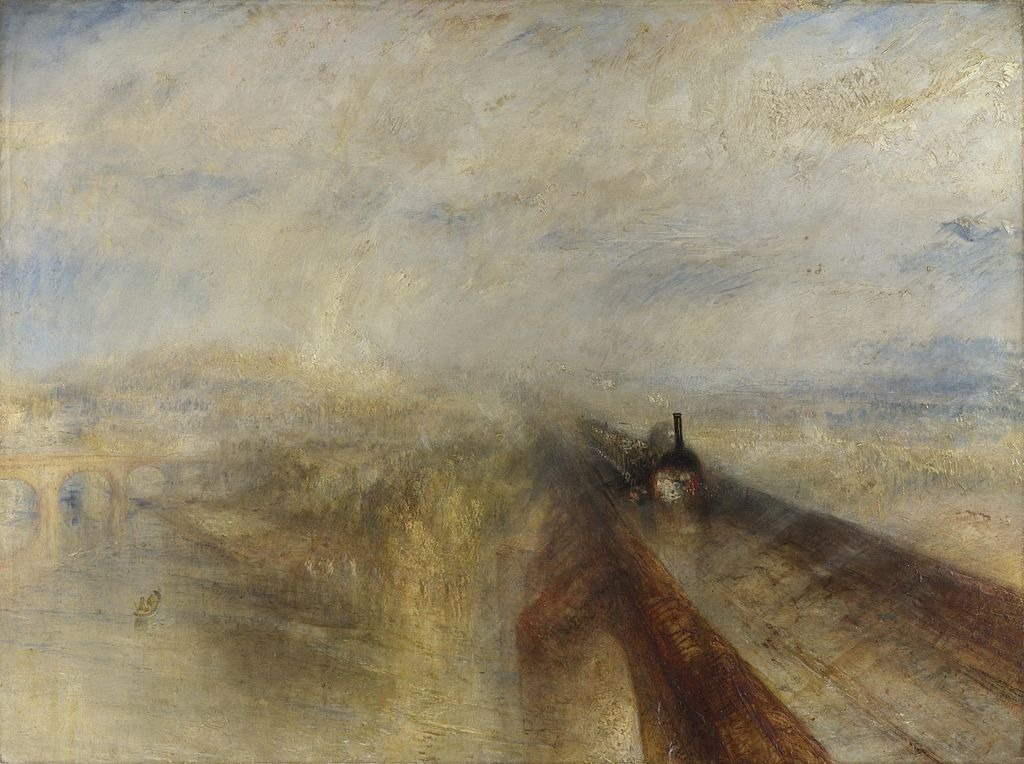
Claude Debussy’s friend Paul Dukas candidly wrote “the strongest influence to which Debussy submitted was that of the littérateurs, not that of the musician.” And while most of us have no problems describing Debussy as an “Impressionist,” a term originating
An Exploration of Debussy’s Piano Music — Preludes After a two-year break, Debussy continued his work on the Préludes for piano, writing another 12 and again showing influences of all areas of popular and ancient culture and from artists, writers,
A Look at Debussy Piano Music — Preludes Following the model of Bach and his 24 Preludes and Fugues from 1722, Debussy also wrote his own set of Préludes for the piano. Debussy began Book 1 in December 1909, finishing
After writing two sets of Images for piano, it seems that a third set was called for, but this time Debussy orchestrated it, and in doing so, broadened the timbre of his palate. The first Image, Gigues, originally had the