After Tchaikovsky, Alexander Glazunov, born on 10 August 1865, was Russia’s greatest symphonist, who handed down this legacy to Dmitry Shostakovich. Being such a wonderful orchestral composer, it’s easy to overlook his achievements as a skilled and expert composer of music for the piano.
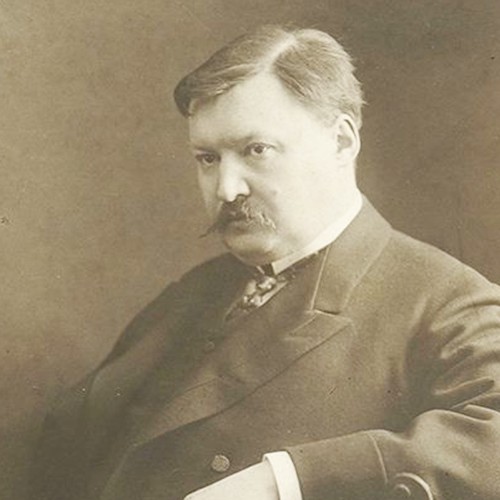
Alexander Glazunov
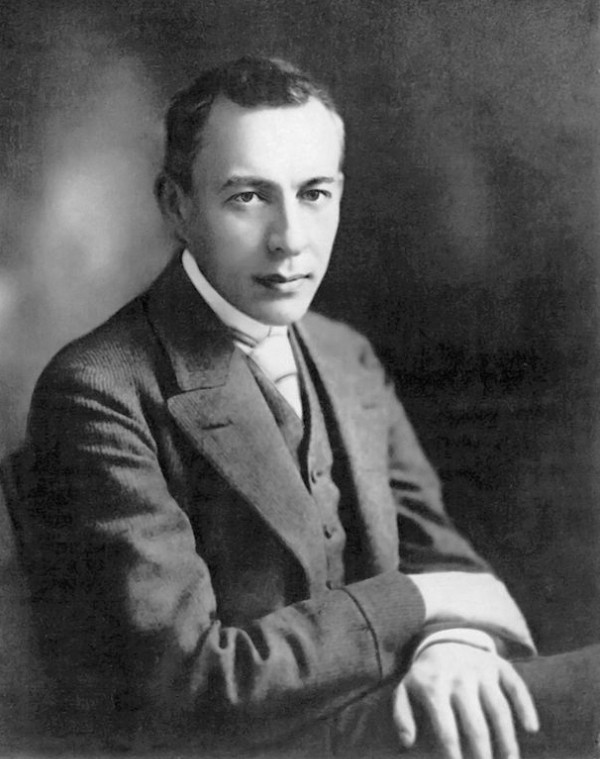
Glazunov was not a concert pianist like his contemporary Rachmaninoff, as his focus squarely rested on composition. He was, however, a capable and accomplished pianist able to handle his own sophisticated compositions and support his work as a conductor and educator.
His contribution to piano music reflects a deep connection to the Romantic tradition and Russian musical heritage. He composed a variety of works for piano, known for their lyrical melodies, rich harmonies, and technical brilliance.
In his piano music, Glazunov blends virtuosic demands with expressive depth, often incorporating Russian folk elements and colourful textures. On the occasion of his birthday on 10 August, let us explore this highly rewarding part of his compositional activity.
Alexander Glazunov: Three Miniature, Op. 42, No. 1 “Pastorale”
Sacha Suite
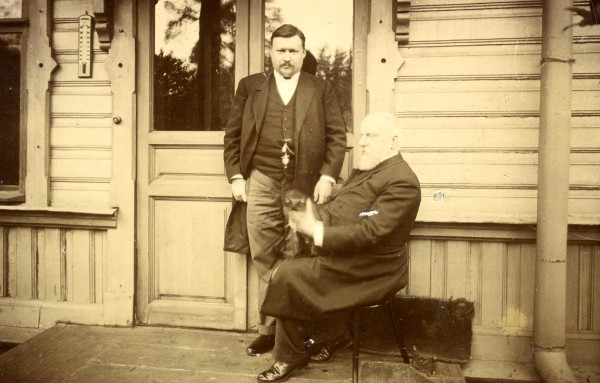
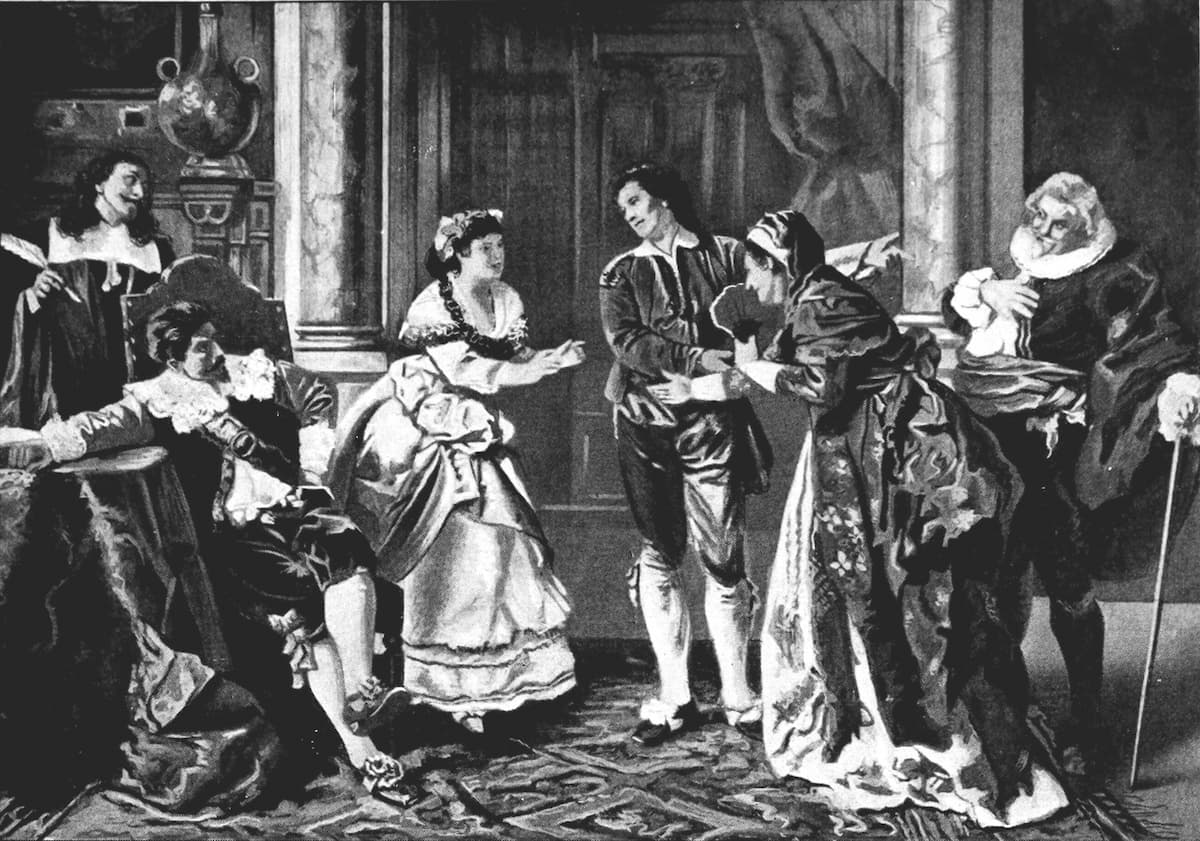
Alexander Glazunov with Mily Balakirev
Alexander was a musical prodigy whose talents bloomed early. His mother, Elena Pavlovna, was an accomplished pianist and a student of the legendary Mily Balakirev. By age nine, Alexander was already an accomplished pianist, and Nikolai Rimsky-Korsakov marvelled at his “colossal musical talents” when he was in his teens.
At the age of 16, Glazunov composed a four-movement Suite on the Name Sacha. The composition is built around a musical motif derived from the name “Sacha”, a diminutive of Alexander.
Using the German musical notation system, the letters correspond to the notes contained in his name. It’s a kind of playful exercise influenced by composers like Schumann and Chopin, but with a distinctly Russian warmth. It’s not a grand and showy piece, but an intimate gem that reveals a young composer already confident in his musical voice.
Alexander Konstantinovich Glazunov: Suite on the Name Sacha, Op. 2 (Stephen Coombs, piano)
Swirling Splendour
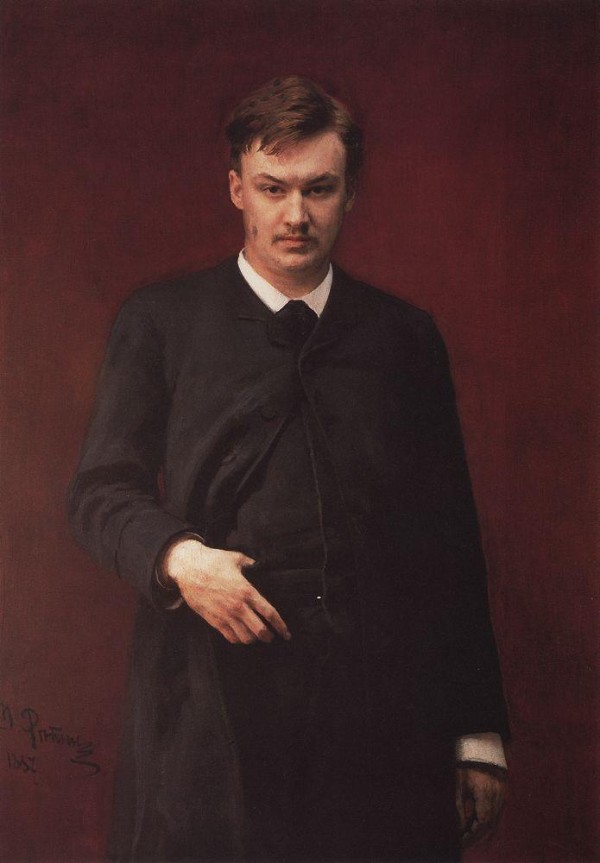
Portrait of Alexander Glazunov
If the Sacha Suite was a youthful exercise, the Grande Valse de Concert is a sparkling gem of elegant and virtuosic dance-inspired music. It reflects a mature command of melody and structure, blending sophistication with accessibility.
It is a single-movement work clearly designed to dazzle both performers and audience, embodying the spirit of a grand ballroom with swirling dancers in a glittering hall. Just listen to the opening bold and stately theme, setting a festive tone, before the work unfolds in a chain of contrasting sections.
There are some lyrical and almost tender passages mingling with virtuoso flourishes, but the waltz really avoids overblown sentimentality. We can still hear his Russian roots coming through in the lush harmonies and subtle folk-like inflexions, giving this waltz a unique character. It remains a delightful find for pianists and listeners who enjoy Romantic piano music with a Russian twist.
Alexander Glazunov: Grande Valse de Concert, Op. 41
Moonlit Whispers
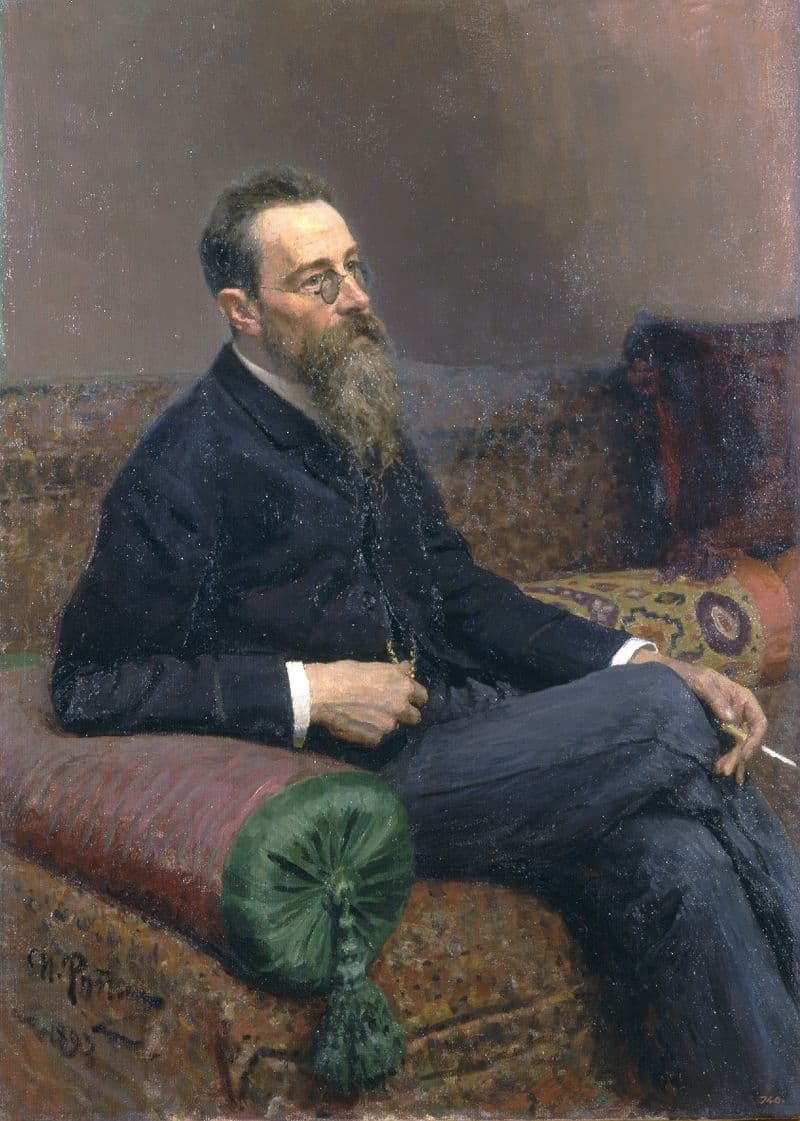
Repin: Nikolai Rimsky-Korsakov
In 1889, at the tender age of 24, and coming off his mentorship with Nikolai Rimsky-Korsakov, Alexander Glazunov composed his Nocturne in D-flat Major, Op. 37. It is a beautiful and captivating solo piano piece that balances his Russian heritage with the broader Romantic tradition.
A standalone work, it features tender lyricism and refined craftsmanship and is inspired by the works of Chopin, featuring a singing melody over a gentle and flowing accompaniment.
Set in D-flat major, a key often associated with warmth and expressiveness, the nocturne opens with a delicate, almost whispering theme that unfolds with effortless grace.
It’s a wonderfully understated composition that prioritises emotional nuance over virtuosic display, with subtle chromatic touches that add harmonic depth without breaking the tranquil mood. The piece gently builds to a more impassioned middle section, where the melody soars with restrained intensity, before returning to the calm of the opening theme. It is a beautiful glimpse into Glazunov’s early mastery, a heartfelt moment blending Russian soul with Romantic elegance.
Alexander Glazunov: Nocturne in D-flat Major, Op. 37
Storm and Song
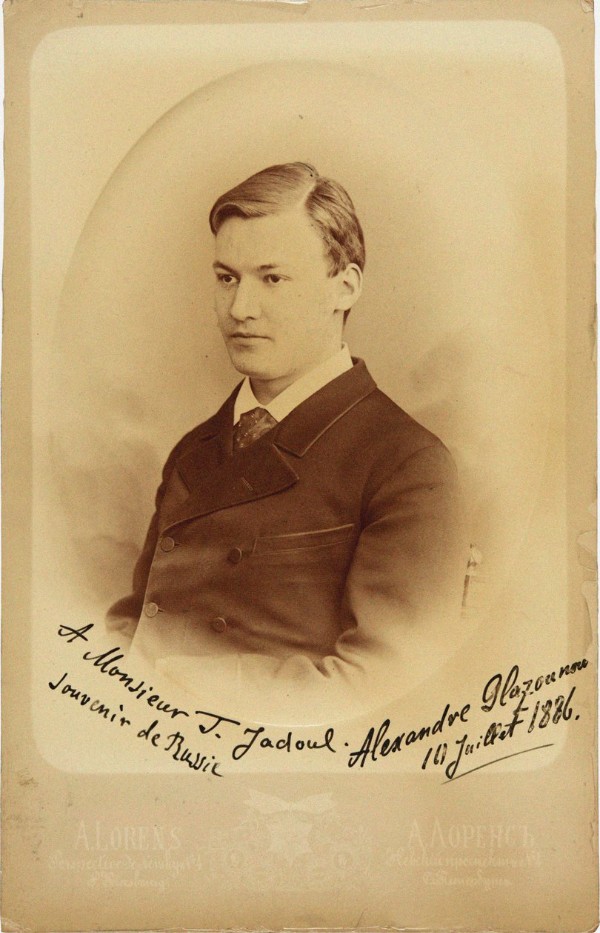
Alexander Glazunov
It’s time to get serious by taking a listen to Glazunov’s Piano Sonata No. 2. This mature work dates from 1900/01 and is dedicated to his first piano teacher Narcisse Jelenkowski. It is a formidable and expressive work that reflects a period of intense creativity when the composer was exploring large-scale piano compositions.
The opening sequence of simple phrases and a beautifully lyrical second theme provide the musical basket from which the entire work grows. And it is a grand and ambitious composition that unfold in five movements. We can clearly hear the organic nature of the work in the final movement, which features a delightful fugal recapitulation.
This sonata has it all, from stormy passion to playful virtuosity, from introspective lyricism to a fugue with a concluding chorale. It offers a journey through Glazunov’s expressive and technical genius. I don’t know about you, but for me it was a thrilling discovery of a Romantic world of profound beauty and power.
Alexander Glazunov: Piano Sonata No. 2 in E minor, Op. 75
Storm, Serenity, and Sparkle
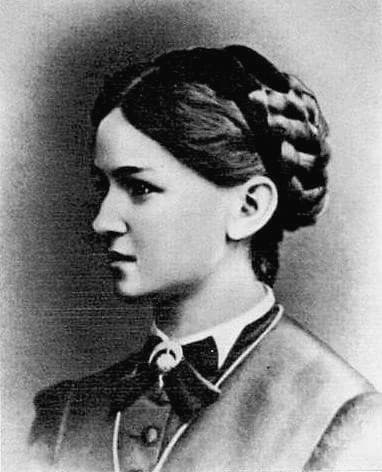
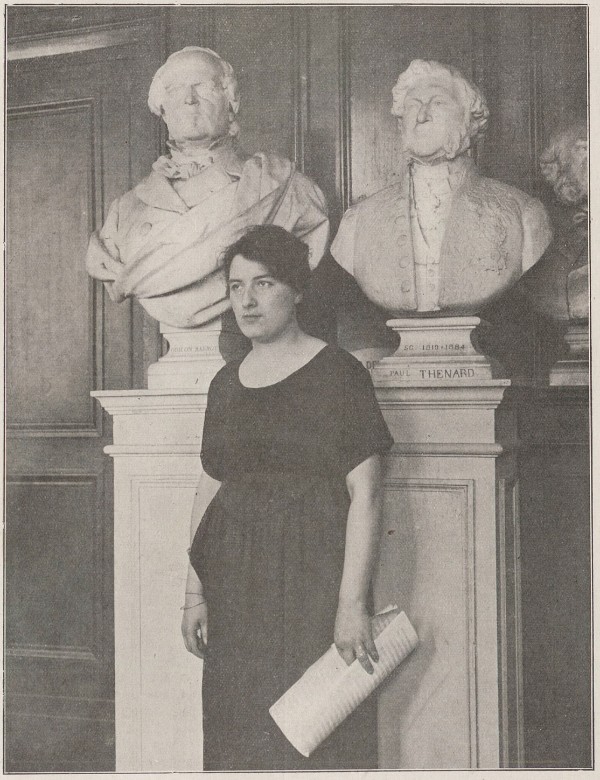
Nadezhda Rimskaya-Korsakova
Since I featured Glazunov’s 2nd Piano Sonata, we might as well listen to his first effort, Op. 74 written in 1900, as well. The Piano Sonata No. 1 is dedicated to Nadezhda Rimskaya-Korsakova, the wife of his teacher, herself a formidable pianist.
As pianist Stephen Coombs relates, the sonata premiered on 6 October 1901 with Alexander Siloti, “a disciple of Liszt and Rachmaninoff’s teacher, and received a mixed reception from the critics.” The technical difficulties are certainly enormous and make serious demands on the performer. However, “despite the brilliant piano-writing, it is a very controlled work.”
The “Allegro moderato” blends stormy intensity with lyrical warmth, the “Andante” offers serene, Chopin-inspired beauty, and the “Allegro scherzando” dazzles with virtuosic flair. Its rapid and glittering passages, described as “Chopinesque”, built to a triumphant close, weaving earlier themes into a cohesive and cyclical structure. This sonata is rarely heard in the concert hall, and as a result, it was later published in a two-piano arrangement by pianist Felix Blumenfeld.
Alexander Konstantinovich Glazunov: Piano Sonata No. 1 in B-Flat Minor, Op. 74 (Stephen Coombs, piano)
Salon Serenades
Growing up in St. Petersburg, Alexander Glazunov was steeped in a world where intimate musical gatherings were a cornerstone of cultural life. Salons, hosted in the homes of the Russian elite, saw intellectuals, artists, and musicians mingle in an atmosphere of refined creativity.
For Glazunov, these settings were both a stage and an inspiration, where his lyrical and polished compositions found a perfect home. It was this particular environment that shaped his Two Pieces for Piano, Op. 22. This set consists of a Barcarolle and a Novelette, showcasing Glazunov’s lyrical gift and sophisticated piano writing.
The rocking rhythm of the Venetian-inspired genre popularised by Chopin and Mendelssohn creates a serene and dreamy mood, with subtle chromatic harmonies adding a touch of Russian colour. The Novelette, by contrast, is livelier and more playful, with a sprightly character that balances charm with technical agility. As with his other salon-style compositions, there is substantial technical difficulty hiding behind a suave exterior.
Alexander Konstantinovich Glazunov: 2 Pieces, Op. 22 (Tatjana Franova, piano)
Études of Artistry
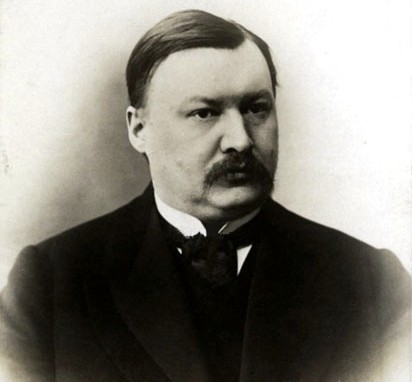
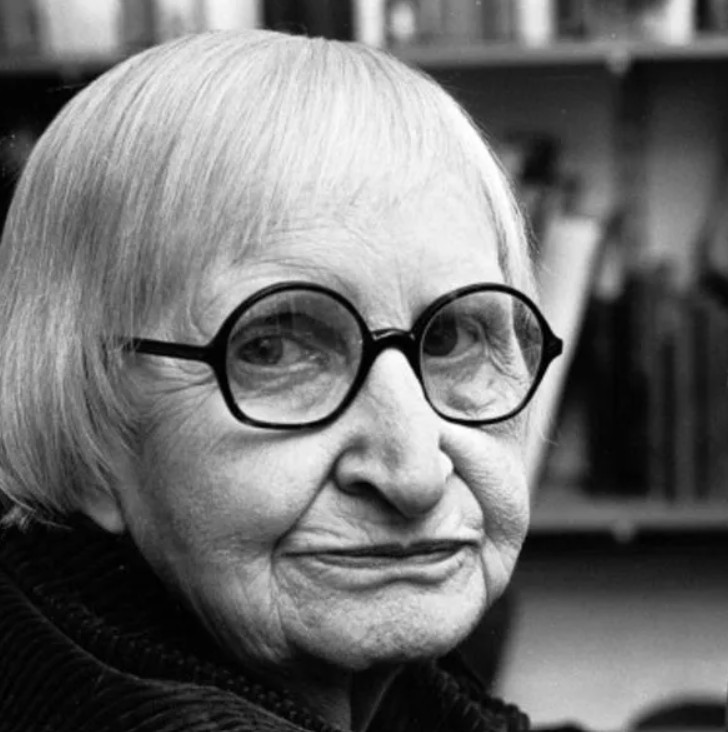
Alexander Glazunov
The Three Études, Op. 31, composed between 1889 and 1896, is a set of demanding and evocative piano works that should rank among the significant contributions to the solo piano repertoire. These pieces showcase his ability to craft technically challenging yet musically rich pieces, tailored for skilled pianists in intimate or concert settings.
The Études were conceived separately, each bearing distinct completion dates and characteristics. In that sense, they highlight Glazunov’s evolving style. The opening is the most brilliant of the set, characterised by fearsome double-note passages embedded within a sparkling and energetic character. Relentless drive and showy brilliance make it a favourite amongst pianists eager to display their technical command.
The second étude balances elegance and emotional appeal, and it is less about flashy virtuosity and more about control and expressiveness. Glazunov blends personal sentiment with structural clarity, giving the piece an almost melancholic character. The concluding
Étude is subtitled “La Nuit,” and it is the most evocative and poetic of the trio. Refined craftsmanship and lyrical beauty combine to conclude a set that should be appealing to all lovers of Romantic piano music.
Alexander Konstantinovich Glazunov: 3 Studies, Op. 31 (Tatjana Franova, piano)
A Radiant Gem Amidst Chaos
Let’s finish with a bang and listen to Glazunov’s 2nd Piano Concerto, composed in 1917. It is a vibrant and lyrical work composed during a turbulent period in his life and in Russian history. While his personal and professional life was strained, this concerto reflects his enduring ability to craft music of warmth, elegance, and technical brilliance.
This concerto follows a more traditional structure with two distinct movements, but it still has an almost intimate character. Dedicated to the pianist Konstantin Igumnov, a prominent Russian performer and teacher, it premiered in 1917. Although emerging in a climate of political upheaval, the concerto exudes a sense of optimism and melodic richness that contrasts with the chaos of the era.
Essentially, this concerto captures Glazunov’s signature blend of Russian warmth, influenced by folk melodies, and Western sophistication, specifically drawing on the concerto traditions of Chopin and Liszt. For pianists and listeners, it offers a journey through lyrical beauty, virtuosic sparkle, and emotional depth. It is a radiant yet underappreciated work from a composer who never lost his melodic voice.
For more of the best in classical music, sign up for our E-Newsletter