In her work for small ensemble, Cosmic Calendar, Ukrainian pianist and composer Marina Baranova takes a step back from a calendar of our days to create a calendar of our entire cosmos.
Each movement takes us further from the Big Bang opening (January) of our world and closer to our own manifestation (December).
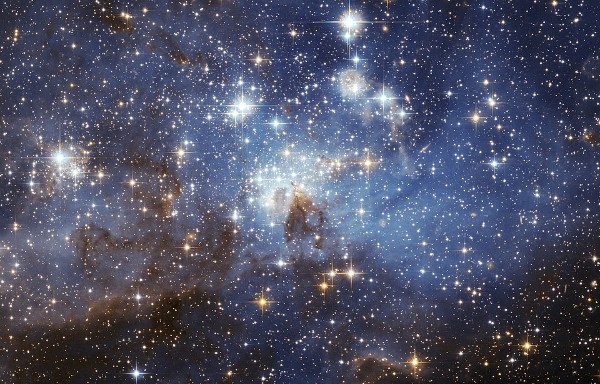
Stars in the sky
January opens with an incessant beat – the heart of everything.
Marina Baranova: Cosmic Calendar – January: Particles of Freedom (Marina Baranova, piano)
As the cosmos expands, the space between the stars begins to appear. The cosmos cools down, and we can see more and more developing in our universe.
Marina Baranova: Cosmic Calendar – February: Becoming Transparent (Marina Baranova, piano)
Stars circle, and physics begins to play its role in the formation of the galaxies. Self-awareness follows.
Marina Baranova: Cosmic Calendar – March: The Inner Gravity (Marina Baranova, piano)
Finally, light is organised.
Marina Baranova: Cosmic Calendar – April: And There Was Light (Marina Baranova, piano)
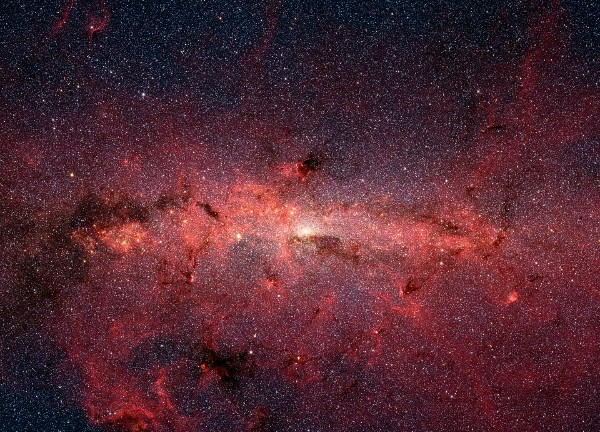
The Milky Way
The Milky Way becomes our pathway, permitting us to glide everywhere on its carpet of light.
Marina Baranova: Cosmic Calendar – May: Gliding on the Milky Way (Marina Baranova, piano; Kana Sugimura, violin; Martha Bijlsma, cello)
Actions and Reactions. Matter and Antimatter. These are the push and pull of cosmic movement. The rapidly changing metre sweeps us along, urging us to a new place, a new reaction, a new vista.
Marina Baranova: Cosmic Calendar – June: Matter. Antimatter. What’s the Meter? (Marina Baranova, piano)
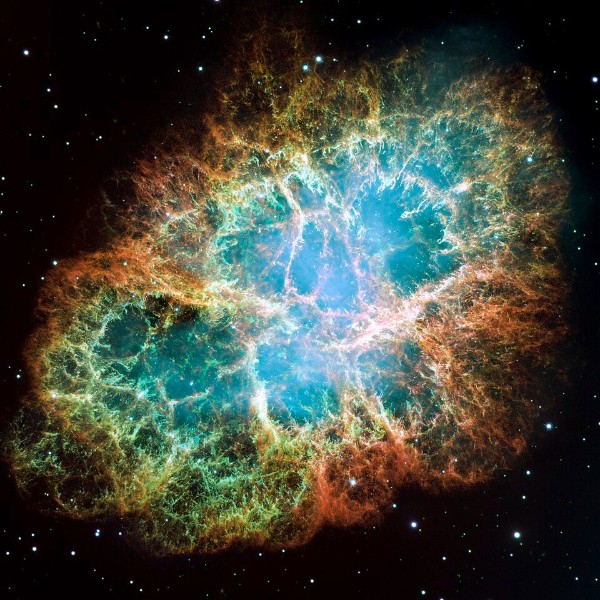
Crab Nebula
As things grow, other things come to their end. As much as the universe has been expanding and growing, some parts come to their end, expending all their energy in one last expansion.
Marina Baranova: Cosmic Calendar – July: Requiem for a Supernova (Marina Baranova, piano; Kana Sugimura, violin; Martha Bijlsma, cello)
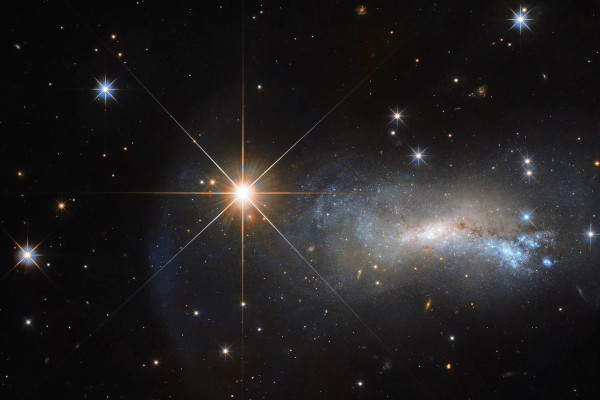
The star TYC 3203-450-1 in the constellation Lacerta (The Lizard)
The sun is the birthplace of hope. It’s a new day, it’s a time of new possibilities, of new ways of looking at the world, filled with light.
Marina Baranova: Cosmic Calendar – August: Birth of the Sun (Marina Baranova, piano; Olga Heydrich, flute; Vadym Pogorilyy, trumpet)
Dancing above our world, the stars seem to have their own dance. In this case, a barcarolle, a song of dancing waves or of dancing waves of light.
Marina Baranova: Cosmic Calendar – September: Stellar Barcarolle (Marina Baranova, piano)
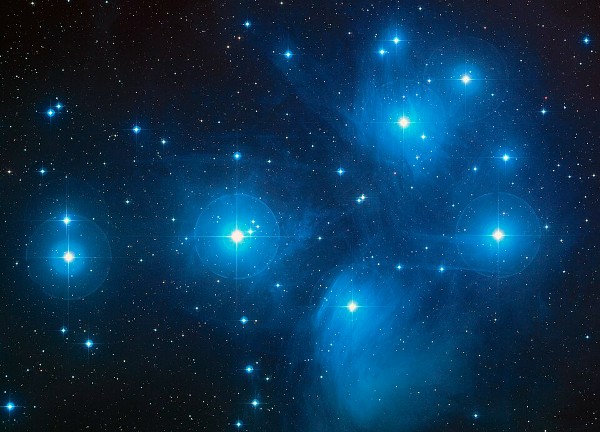
The Pleiades
In the fall, the sun and the moon loom large and, in this movement, Baranova has them serenade each other. The cello sings while the piano supports with arpeggios. The low voice of the cello (moon) and the high voice of the violin (sun) are the perfect partners
Marina Baranova: Cosmic Calendar – October: Celestial Serenade (Marina Baranova, piano; Kana Sugimura, violin; Martha Bijlsma, cello)
The final element that makes life possible for us comes into being: Air.
Marina Baranova: Cosmic Calendar – November: Air (Marina Baranova, piano)
Finally, the part that is most important to humans, US, takes its place in the cosmos.
Marina Baranova: Cosmic Calendar – December: You and Me and Everything Around Us (Marina Baranova, piano; Kana Sugimura, violin; Martha Bijlsma, cello)
From the Big Bang to us, Baranova’s Cosmic Calendar takes the large view of everything around us. Baranova said ‘With this project, I aim to convey that the universe and we, humans on Earth, are interconnected. Viewing this fact from such a global perspective leaves no room for hatred and war’. Let us find our own peace in our existence and in the new year.
For more of the best in classical music, sign up for our E-Newsletter