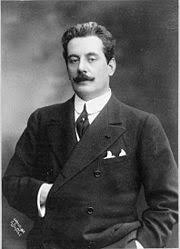
Giacomo Puccini
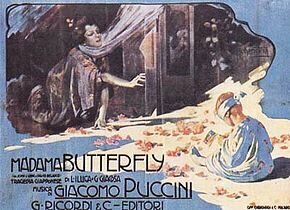 We know that Puccini assembled and studied collections and recording of Japanese music, and consulting specialists, he incorporated a significant number of authentic Japanese melodies within the opera. Since Puccini did not verbally elaborate on his musical borrowings, some scholars have argued that the composer was preoccupied with creating an authentic Japanese setting. Others have suggested that he simply wanted to produce an exotic atmosphere rather than an accurate musical portrayal of Japan. And naturally, some cultural critics see Puccini’s use of Japanese melodies as a manifestation of musical orientalism, a Western privileged depiction of musically and culturally foreign and inferior Others. Various agendas and popular points of view will undoubtedly continue to drive the discussion. However, it might be worth remembering that Puccini’s use of “Miyasan,” a popular Japanese military song from the early Meiji Era, “Kimigayo,” the Japanese national anthem, and “Nippon Gakufu” piano arrangements of Japanese melodies places one of Puccini’s most enduring works squarely within the musical context of late 19th century Japanese culture.