The works of Manuel de Falla (1876-1946) heralded a new beginning for Spanish music. After repeated attempts by foreign composers to tap the colours and especially the rhythms of the Iberian Peninsula in their popular pursuits of exotic manners, Spanish composers went in search of a genuine national expression.
Falla’s most characteristic output centres on the stage, and his reputation rests primarily on two lavish Iberian ballet scores: El amor brujo (Love, the Magician) and the colourful El Sombrero de tres picos (The Three-Cornered Hat).
Originating in Spanish folk art and the indigenous songs of Andalusia, Falla projected the rhythms and sonorities of his native Spain through French and Russian orchestral traditions, creating an evocative yet ultimately imaginary folk art.
The Musical Soul of Spain
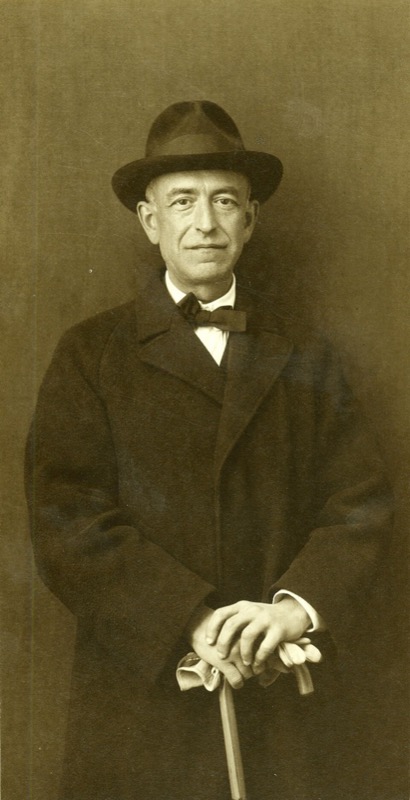
Manuel de Falla with a cane
Falla, who also composed a small body of symphonic, instrumental, vocal and theatrical music, wrote sophisticated music rooted in the folkloric soil of his native Spain, and its bright energy and deeply lyrical qualities remain a lasting testament to his musical heritage.
Manuel de Falla was born in Cádiz on 23 November 1876 and died in Argentina in 1946. In 2026, we mark the 150th anniversary of his birth and the 80th anniversary of his death. Let’s have a look at how Spain is celebrating one of its greatest composers.
Manuel de Falla: Nights in the Gardens of Spain
A Nationwide Tribute
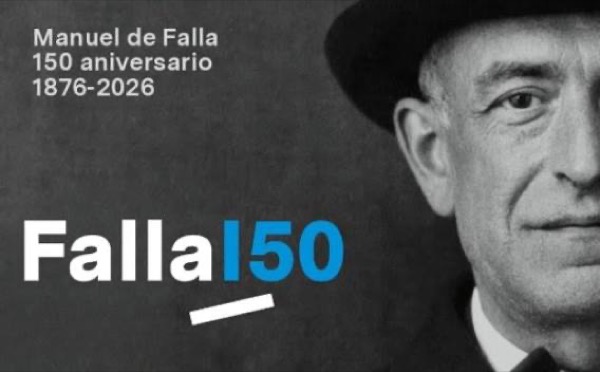
Falla150
Manuel de Falla is not simply honoured by a handful of birthday concerts as the Spanish Ministry of Culture has presented the national Año Falla programme with contributions from cultural institutions, concert organisations and local authorities. A dedicated anniversary website, “Falla150”, maintains a detailed calendar of initiatives submitted by participating institutions.
Promoted and supported by a number of organisations, including the Fundación Archivo Manuel de Falla, the Junta de Andalucía, Granada City Council and the University of Granada, the programme also marks the approximate centenaries of El amor brujo, Psyché, and the Concerto for Harpsichord and Five Instruments.
Manuel de Falla: Concerto for Harpsichord
Falla’s Musical Roots
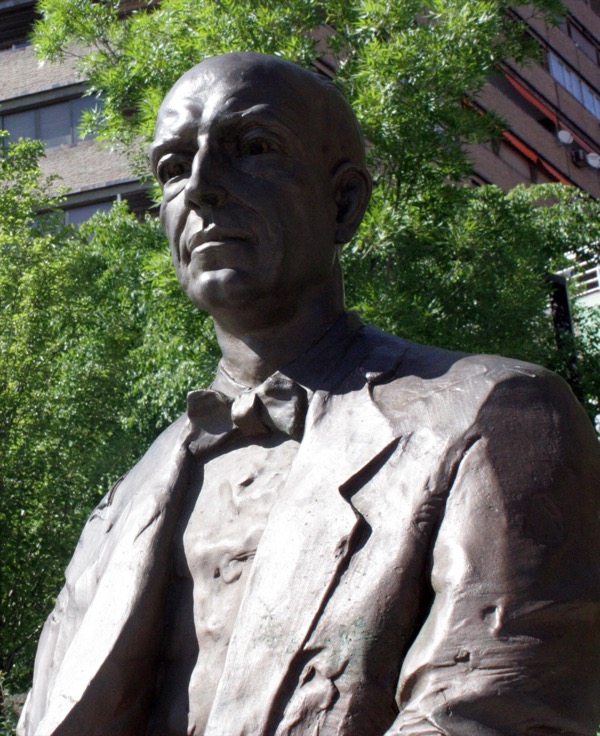
Statue of Manuel de Falla
Manuel de Falla’s birthplace, Cádiz, developed an extensive programme as part of its 24th Festival de Cádiz. “Música Española” runs from 13 to 23 November and features 35 concerts, 20 premieres, and various other activities. Falla’s music serves as a starting point for encounters with flamenco, jazz, popular music, and contemporary compositions.
Javier Perianes’ piano recital, scheduled for Falla’s birthday on 23 November, is one of the fantastic programme highlights. The published programme includes Nocturno, Mazurka, Serenata andaluza, selections from El amor brujo, the four Piezas españolas and the Fantasía bætica.
Perianes also performs in an earlier recital at Seville’s Teatro de la Maestranza on 21 November. This programme places particular emphasis on the young Falla and his early piano music, situating it alongside the music of Chopin and Albéniz.
Manuel de Falla: Cuatro piezas españolas, “Andaluza”
Granada Connections
Manuel de Falla lived in Granada for 18 years, from 1921 to 1939, before moving to Argentina. As such, Granada is central to the national programme, and the Orquesta Ciudad de Granada presented a special Falla 150 concert on 2 October. Conducted by Isabel Rubio, the programme featured Josep Colom as soloist in Noches en los jardines de España, alongside Suite No.1 from El sombrero de tres picos, and El amor brujo.
One of the major historical discoveries associated with this anniversary was unveiled on 10 July during the 75th Festival Internacional de Música y Danza de Granada in July. The festival presented a world premiere of the first version of La vida breve, at the Palacio de Carlos V.
Manuel de Falla: La vida breve, “Danza Española”
A Tribute in Spain’s Capital
The capital city of Madrid kicked off its celebration on 14 November with a recital by Japanese pianist Azumi Nishizawa at the Sala Manuel de Falla in the Palacio de Longoria. Her programme included Danza española No. 1 from La vida breve, the Danza ritual del fuego from El amor brujo, Siete canciones populares españolas, selections from Cuatro piezas españolas and Fantasía bætica, alongside works by Debussy and contemporary Japanese composers.
The Museo Reina Sofía will host the Trío Arbós in a performance of Falla’s Concerto for Harpsichord, Flute, Oboe, Clarinet, Violin, and Cello, alongside works by Joaquín Nin-Culmell, Fernando Remacha and Jesús Torres. This performance is scheduled for 23 November in the anniversary calendar.
Manuel de Falla: Fantasía bætica
A Living Legacy
A series of concerts is scheduled for the Basque Country and Navarra, and the Canary Islands have organised a dedicated anniversary cycle from 20 to 28 November. As expected, the anniversary celebrations are not confined to concert halls, as several exhibitions explore Falla’s life and influence on visual artists.
In Madrid, an exhibition brings together around 20 works by artists including Frederic Amat, Eduardo Arroyo, Jaume Plensa, Soledad Sevilla and Gustavo Torner at the Palacio de Longoria, while the Museo CajaGranada hosted a documentary exhibition that explored the composer’s artistic development through original archival documents and materials.
The Año Falla programme ranges from the rediscovery of an early version of La vida breve to performances of his piano music, orchestral works and chamber compositions. In addition, it brings the music of Falla in dialogue with contemporary artistic responses, underlining the continued influence of his work and personality.
As we celebrate Falla’s 150th birthday, this wide-ranging tribute to the composer reminds us that his music continues to occupy a central place in the repertoire of his homeland.
For more of the best in classical music, sign up for our E-Newsletter