Filmed live on 5 November 2025 at the Théâtre de Beaulieu in Lausanne, Switzerland, with the Orchestre de Chambre de Lausanne under the direction of Dutch conductor Ton Koopman, this ARTE TV concert traces the development of Mozart’s music over his lifetime.
From Mozart’s early motet Exsultate, jubilate to mature works such as the overture to The Magic Flute and the Prague Symphony, this 85-minute programme highlights Mozart’s evolution as a composer.
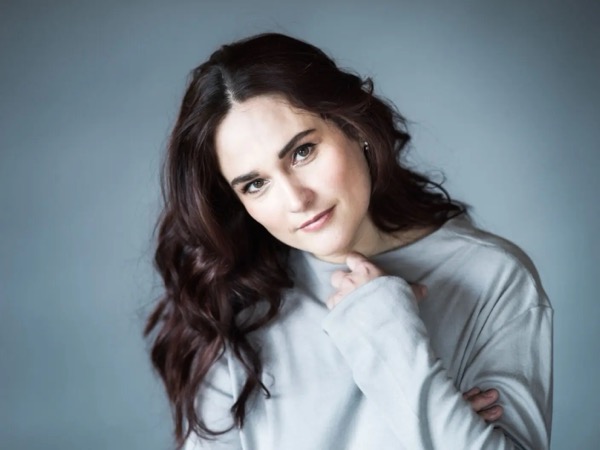
Russian soprano Julia Lezhneva performs the solo vocal parts, bringing both clarity and expressive nuance to Mozart’s arias and concert works.
Mozart in Lausanne
Available until 09/06/2026
Historically Informed, Radically Alive
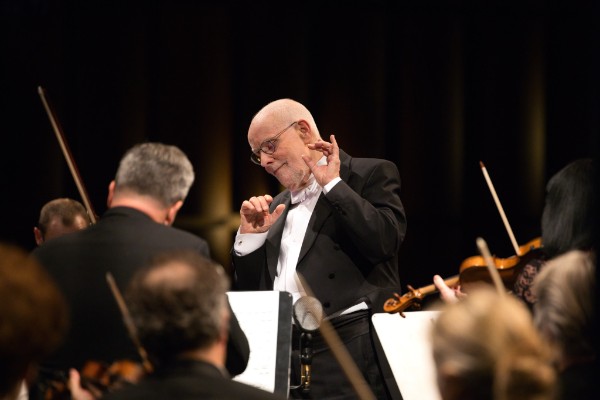
Ton Koopman
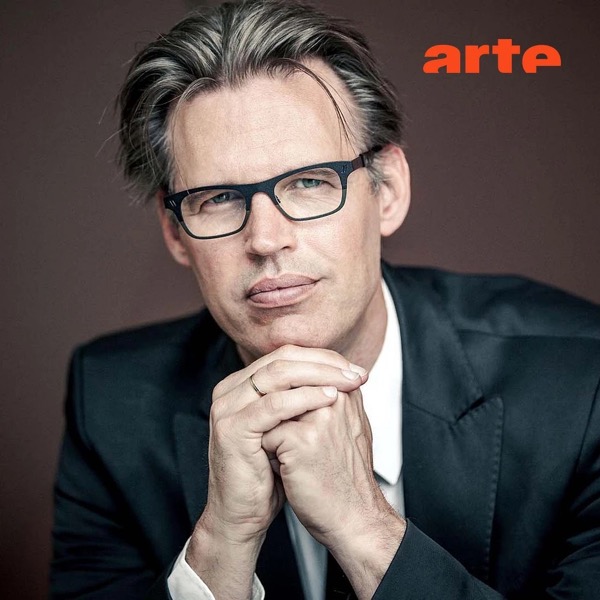
Ton Koopman is one of the central figures in the modern revival of Baroque music. Trained as an organist, harpsichordist, and musicologist, he helped redefine historically informed performance from the 1970s onward.
Greatly admired for combining scholarly authority with vivid and communicative performances, Koopman’s projects are not academic exercises but living dramatic art. With his recordings, he has set benchmarks for orchestral and choral playing worldwide.
Alongside his work on the podium, Koopman has made lasting contributions as a scholar, and his influence extends equally through teaching and mentorship, shaping generations of performers.
For the “Mozart in Lausanne” programme, Koopman is not focusing solely on Mozart as a celebrated child prodigy but offers a deeper and more nuanced exploration of the composer’s artistic journey.
The Evolution of Mozart’s Voice
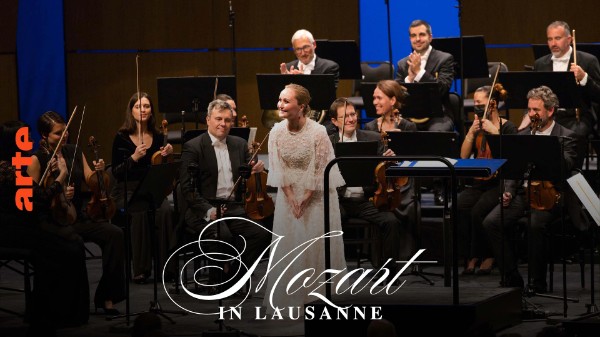
Tonight’s program traces the unfolding of Mozart’s musical voice, from youthful brilliance to mature mastery. It opens with the overture to Die Zauberflöte, where theatrical imagination and orchestral colour are fully realised.
We then step back to the exuberance of youth with Exsultate, jubilate, composed when Mozart was still a teenager. This radiant motet reveals an early command of vocal virtuosity and melodic invention, combining joy and brilliance with an instinctive understanding of the voice.
The Serenata notturna, written during Mozart’s Salzburg years, highlights his growing confidence as an orchestral composer. Light in character yet inventive in form, the work displays elegant contrasts of texture and a playful dialogue between strings and timpani.
Mozart’s operatic development comes into sharper focus with “Voi avete un cor fedele” from Idomeneo. Here, music and drama are inseparable, as the vocal line and orchestral writing work together to convey emotional tension and narrative purpose.
That maturity finds perfect expression in “Voi che sapete” from Le nozze di Figaro. Simple on the surface yet rich in insight, the aria captures human vulnerability with remarkable economy. Its blend of tenderness, irony, and melodic grace exemplifies Mozart’s ability to illuminate character through music with unparalleled precision.
The program concludes with the Symphony No. 38, “Prague,” a triumphant statement of Mozart’s late orchestral style. Written for an audience that deeply understood his music, the symphony combines architectural strength, dramatic intensity, and lyrical richness.
A Persuasive Portrait
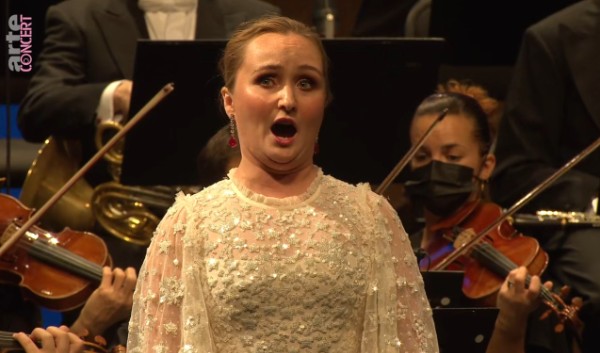
Julia Lezhneva
The Lausanne concert under Ton Koopman was received as a thoughtful and stylistically assured exploration of Mozart’s evolving voice. Listeners responded to the clarity and momentum of Koopman’s direction, which balanced historical awareness with an unmistakable sense of theatrical life.
Rather than emphasising monumentality, the performances favoured transparency, rhythmic vitality, and a keen ear for dialogue between voices and instruments, allowing the music’s inner logic to unfold naturally.
Particular attention centred on the contribution of soprano Julia Lezhneva, whose singing was widely noted for its poise and expressive focus. Her control of colour and dynamics brought emotional nuance to the music, aligning closely with Koopman’s emphasis on drama grounded in structure rather than excess.
The Orchestre de Chambre de Lausanne responded with precision and flexibility, supporting both conductor and soloist with alert ensemble playing and finely balanced textures. In the orchestral works, especially the “Prague Symphony,” audiences noted the cohesion of the interpretation and its forward-moving energy.
Taken as a whole, the concert was a persuasive and musically intelligent account of Mozart. It portrays Mozart not as a fixed genius, but as a composer in constant artistic motion.
For more of the best in classical music, sign up for our E-Newsletter