Grammy Award-winning conductor Paavo Järvi, born on 30 December 1962 in Tallinn, Estonia, makes orchestral music feel urgently alive. There is a distinctive clarity to his performances, yet they never sound academic or over-controlled.
Järvi has a rare gift for revealing structure without draining the music of its emotional pulse. The result is music-making that feels both deeply respectful of tradition and vividly present-tense. He is a musician driven by curiosity and the belief that orchestral music still has something urgent to say.
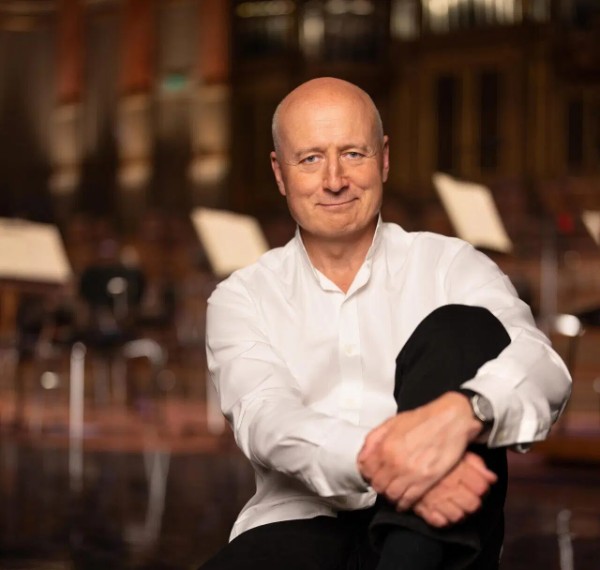
Paavo Järvi
On the occasion of his birthday, let’s explore how he approaches rehearsal as a space for listening and refinement.
Paavo Järvi conducts Brahms: Symphony No. 3, “Excerpt”
Where Listening Replaces Authority

Paavo Järvi
For Paavo Järvi, rehearsal is not a preliminary step on the way to performance. Musicians who work with him often remark that his rehearsal room feels less like a factory preparing a product and more like a laboratory of thought.
Every gesture, every word, every silence carries intention. Nothing is wasted, and nothing is ornamental. In Järvi’s world, rehearsal is philosophy in action. Unlike conductors who rely on charisma, mythology, or sheer force of personality, Paavo Järvi leads with clarity.
His rehearsals are famously efficient because they are meticulously prepared. According to musicians, this preparation creates a sense of trust as they are invited into a shared intellectual task.
Paavo Järvi conducts Shostakovich: Symphony No. 1
Speaking Less, Listening More
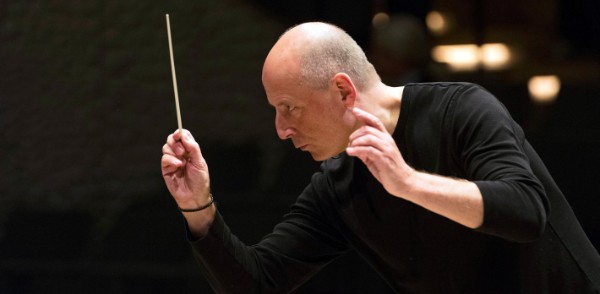
Paavo Järvi © Julia Baier
One of the defining features of a Paavo Järvi rehearsal is its economy of language. He speaks little, but when he does, it matters. Instructions are precise and often structural rather than emotional.
In essence, his rehearsal culture prizes listening over talking. Musicians are expected to engage actively, to respond instantly, and to take responsibility for the musical argument unfolding in front of them.
This emphasis on responsibility is central to Järvi’s philosophy. He does not treat the orchestra as a passive instrument awaiting command. Instead, he encourages every player to understand their role in the whole. As such, the conductor becomes a catalyst.
Paavo Järvi conducts Pärt: “Credo”
Clarity without Comfort
Yet collaboration does not mean ambiguity. Järvi’s rehearsals are intellectually demanding precisely because they refuse easy answers. Musicians are asked to interrogate tradition, and while this approach can be unsettling, it is an act of respect and not rebellion.
Rhythm occupies a special place in Järvi’s rehearsal thinking. Even in the most lyrical music, he is acutely aware of pulse as an organising force. Musicians often report that passages they thought they knew suddenly feel alive once rhythmic relationships are clarified.
Another hallmark of Järvi’s rehearsal rooms is his refusal to over-rehearse. He understands that spontaneity cannot be manufactured through repetition. Once something works, he moves on. The atmosphere is focused, and authority emerges from consistency and respect.
Paavo Järvi conducts Stravinsky: Scherzo fantastique
Before the Lights Go Up
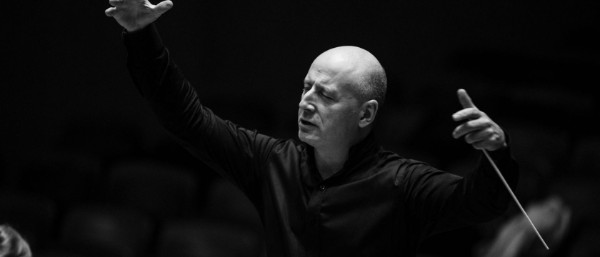
Paavo Järvi © Alberto Venzago
Importantly, Järvi’s approach reshapes how orchestras relate to the concert itself. Because so much interpretative work is done in rehearsal, the performance is freed from micromanagement. The orchestra does not wait to be told what to do, it already knows.
According to musicians, what orchestras ultimately learn from working with Paavo Järvi is not a style, but a mindset. Precision is not the enemy of expression, but it is its foundation. Preparation is a form of respect, and rehearsal is not a necessary evil to be endured before the real thing, but the space where music reveals its deepest logic.
Järvi’s rehearsal philosophy feels quietly radical. It insists that thinking matters, that listening is an ethical act, and that great music-making begins long before the lights go up. For musicians fortunate enough to sit in his rehearsal room, the lesson is lasting. One thing for sure, some of the most profound artistry often happens when no one is watching.
For more of the best in classical music, sign up for our E-Newsletter
Paavo Järvi conducts Schmidt: Symphony No. 4, “Adagio più lento”
For more of the best in classical music, sign up for our E-Newsletter