Long before Paris became the world’s music centre, it was Vienna. From Haydn through the Strauss family, there was always a place for music in Vienna. The State Opera, the Vienna Philharmonic and many other orchestras, and the opportunities for concertizing all provided a place for music in Viennese life.
In this collection, the various members of the J. Strauss family hold the centre, with music by Eduard, Joseph, and Johann II. But they weren’t the only composers of dance music; we also have music by Robert Stolz, Richard Heuberger, and even Johannes Brahms, whose various Hungarian Dances were present in Johann II’s repertoire.
In this new recording, Iain Sutherland, leading the Philharmonic Concert Orchestra, takes us through 4 decades of Viennese dance, with two late additions.
He opens with Greetings from Vienna (Gruß aus Wien), Op. 898, by Robert Stolz (1880–1972), one of the grand masters of the Vienna style, but post-dating the Strauss family by decades, and he closes with Stolz’s Viennese Café Waltz (Wiener Café), both of which date from considerably later than all the contributions by the Strauss family.
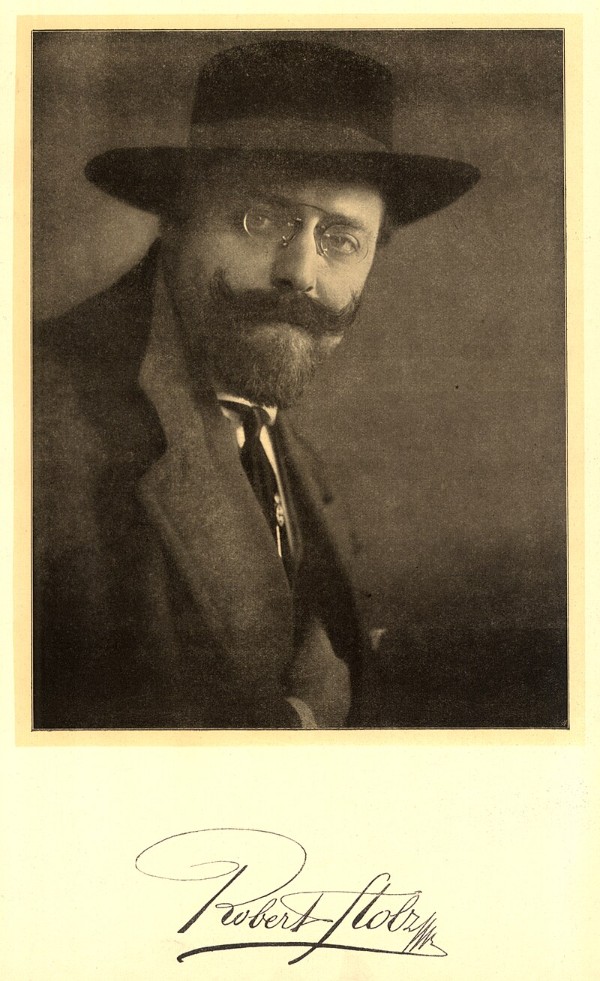
Robert Stolz in 1915
However, the heart of the recording is music by the three sons of Johann Strauss I: Johann Strauss II (1825–1899), the eldest son; Josef Strauss (1827–1870), the second son; and Eduard Strauss (1835–1916), the youngest son. All three sons were expected to go into professional careers (banking, the military, the diplomatic), but all went into music.
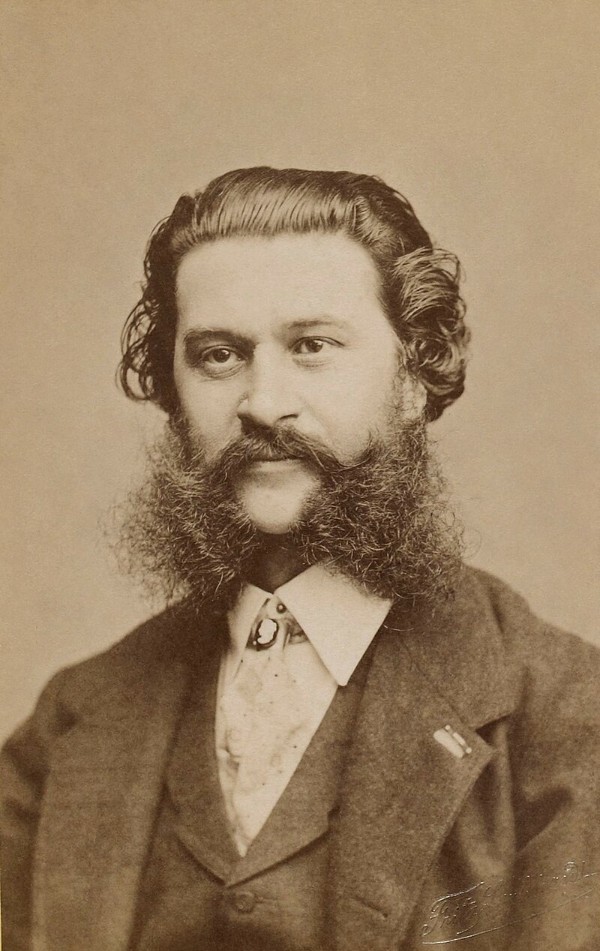
Fritz Luckhardt: Johann Strauss II
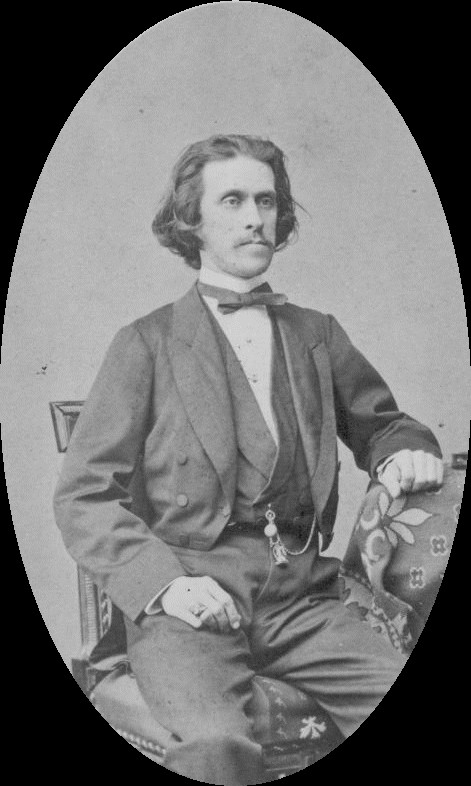
Fritz Luckhardt: Josef Strauss
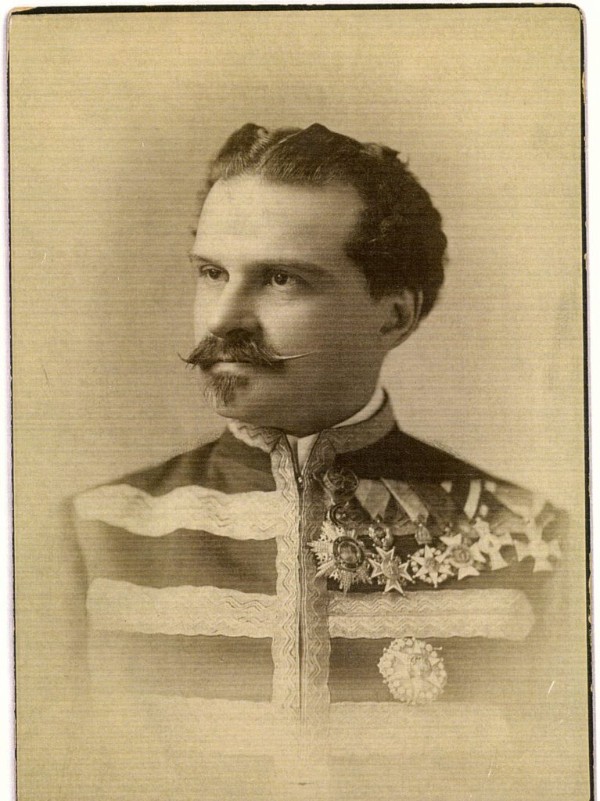
Eduard Strauss
Johann II and the others codified the Viennese waltz to a high art form, taking cues from Johann I’s developments: individual titles for work (to help sheet music sales), music for special occasions (note Johann II’s music for the Wertheim Safe company’s 200,000th fireproof safe). It was Johann II, however, who had the musical talent and business acuity that bested his father’s contributions to the Viennese dance season.
It’s clear from all the Viennese dances that are available that dance music needed to be available by the yard/metre, and much of it is instantly forgettable. Iain Sutherland brings together some of the memorable and funny works of the genre, including the Jockey Polka that opens with the fanfare for the race and one of the neglected masterpieces by Josef Strauss, the Chatterboxes Quick Polka.
The Emperor Waltz of 1889 might be considered Johann II’s masterpiece, surpassing his also-famous Blue Danube Waltz. It was composed in 1889 for a state visit by Emperor Franz Joseph I of Austria-Hungary to Kaiser Wilhelm II of Germany and encapsulates the dignity, grandeur, and beauty of the Austro-Hungarian Empire in its last decades.
Johann Strauss II: Emperor Waltz
Johann I, Johann II, Josef, and Eduard each had their own orchestras and their own circuits. All were in competition with each other, but Johann I and Johann II had the strongest differences; some of this was real, and other parts were egged on by the press of the day. For example, because Dommayer’s Casino had offered Johann II his conducting debut, Johann II refused to play there again.
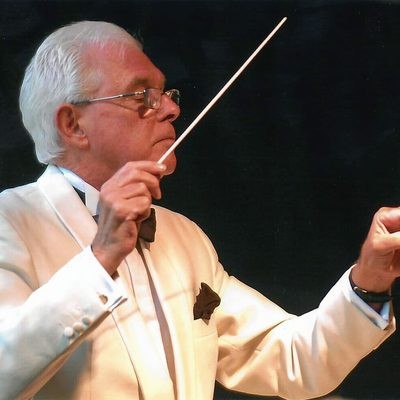
Iain Sutherland
Iain Sutherland’s recording is a wonderful mix of the fast and slow in Viennese music. Music to whirl around the floor and music to catch your breath (and perhaps speak with your dancing partner). It’s a lovely survey of a genre and a time that did not survive WWI.
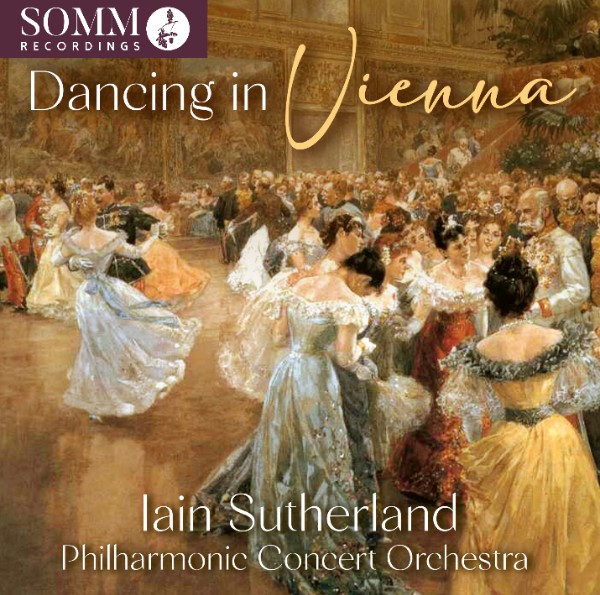
Dancing in Vienna
Philharmonic Concert Orchestra; Iain Sutherland, cond.
SOMM Recordings
SOMMCD 0708
Official Website
For more of the best in classical music, sign up for our E-Newsletter