As summer winds down and the weather gets reasonable, what kind of music would you use to signal the end of the long days of play (or work) and the new days with that crisp of a light chill?
At the end of his teaching career, American composer George Frederick McKay (1899–1970) retired to Lake Tahoe and in his piano suite, From My Tahoe Window: Summer Moods and Patterns, he reflects on the changing seasons and nature in general. He opens with ‘Sunrise’ but closes with ‘Summer’s End’, where it might be about the end of summer, or the end of one’s life.
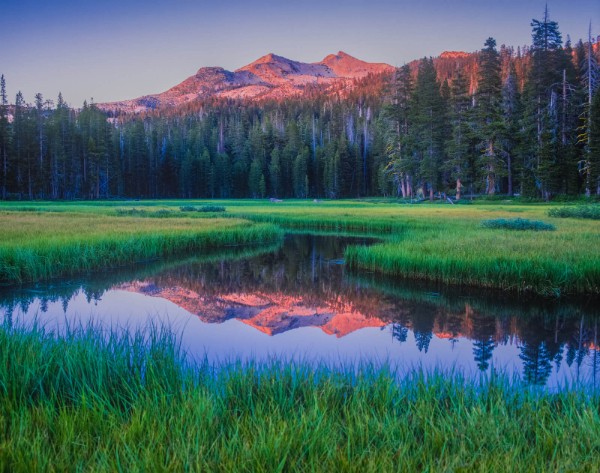
Lake Tahoe
George Frederick McKay: My Tahoe Window – Summer Moods and Patterns – VII. Summer’s End (William Bolcom, piano)
The poem ‘When Summer’s End is Nighing’ comes from English poet A.E. Housman’s Last Poems collection of 1922. In it, he thinks of the past and all the things he vowed to do when he was ‘young and proud’. It’s melancholic and regretful, but he recognises that there comes a time when it all must come to an end as one listens for ‘summer’s parting sighs’.
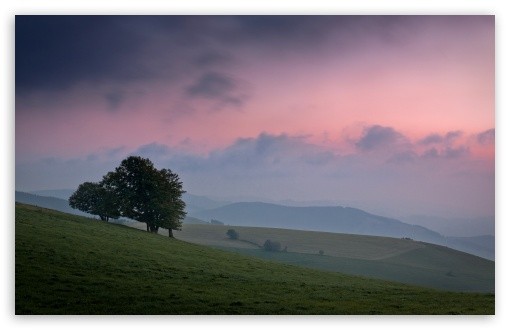
Hills at Twilight
Robert Hugill: When Summer’s End is Nighing (Johnny Herford, baritone; William Vann, piano)
The same text was set by Charles Wilfrid in a more active mode. More so than Hugill’s setting, it carries an optimistic lilt. It’s still looking back, but not exactly in regret.
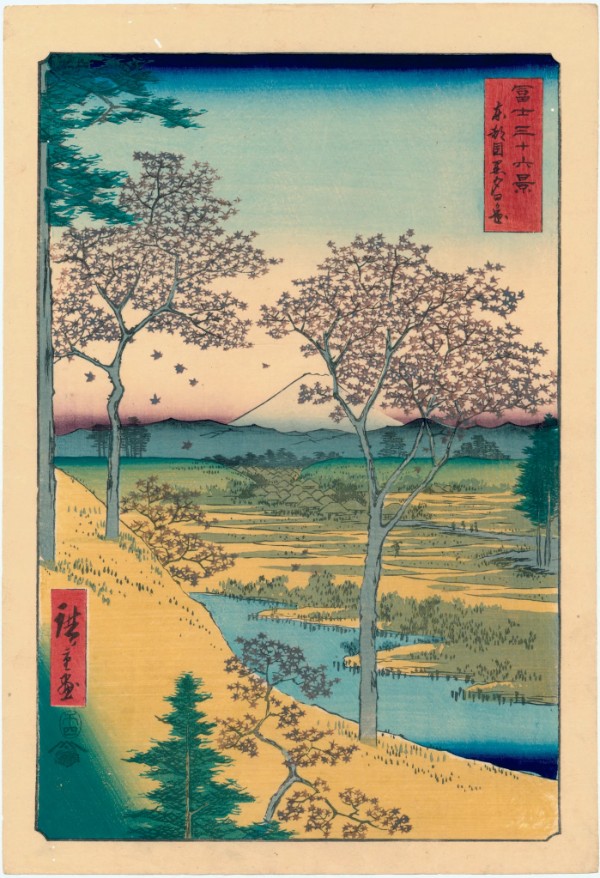
Utagawa Hiroshige: Twilight Hill at Meguro, 1858
Charles Wilfrid Orr: When Summer’s End is Nighing (arr. M. Stone) (Mark Stone, baritone; Simon Lepper, piano)
American composer Ned Rorem wrote The End of Summer at the end of summer 1985 on commission from the Verdehr Trio. The Verdehr Trio, an ensemble of violin, clarinet, and piano that was formed in 1972, finally broke up in 2015 after 43 years. They commissioned work from the leading composers of their time, including commissioning violin-clarinet double concertos. Famed for his published diaries, Ned Rorem sees his music as self-revealing as his prose, with the difference that, while in the latter, the writer tells the tale, in the former, the composer must follow where the music goes. The End of Summer was very much about music of the composer’s past, with ‘suggestions of Sarie, Brahms, hopscotch ditties, and Protestant anthems’ as well as being about the time he wrote it.
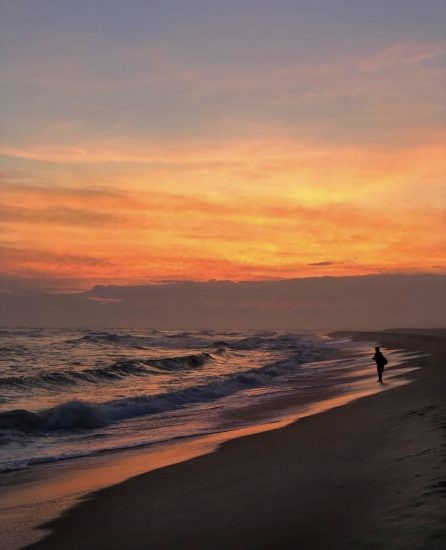
Sunset at Madaket, Nantucket (Photo by Linda Holt Creative)
Ned Rorem: End of Summer: Remembrance of Things Past – III. Mazurka (Verdehr Trio, Ensemble)
Setting a poem by the Irish poet Thomas Moore, The Last Rose of Summer is the last word of the end of a season. The music is a traditional melody first transcribed in 1792, called ‘Aisling an Óigfhear’ (The Young Man’s Dream). The last rose of summer is the sole one that remains after all the others have faded and gone. The poet picks the flower and scatters her petals over the bed where all the other flowers lie, ‘scentless and dead’.
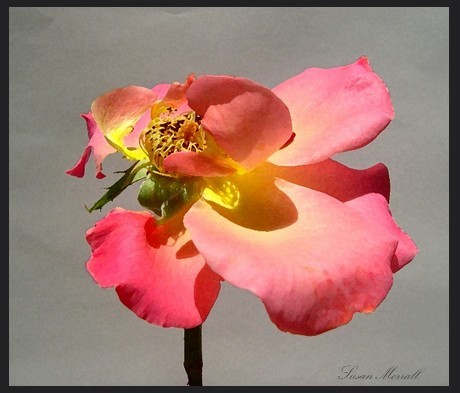
A Blown Rose (photo by Susan Morrall)
Unknown Composer: The Last Rose of Summer (Samuel Mariño, soprano; Jonathan Ware, piano)
The end of summer is a time of great change: there’s so much to look forward to, but we know that we’ll never have the same free time that we could afford in the summer. There are so many special summer treats: iced coffees and ice cream, luscious melons and fragrant fruit. As the weather gets colder, we’re driven indoors, standing and gazing out at the dusk, which falls earlier and earlier, and reflecting on the fun we had in the warm past.
For more of the best in classical music, sign up for our E-Newsletter