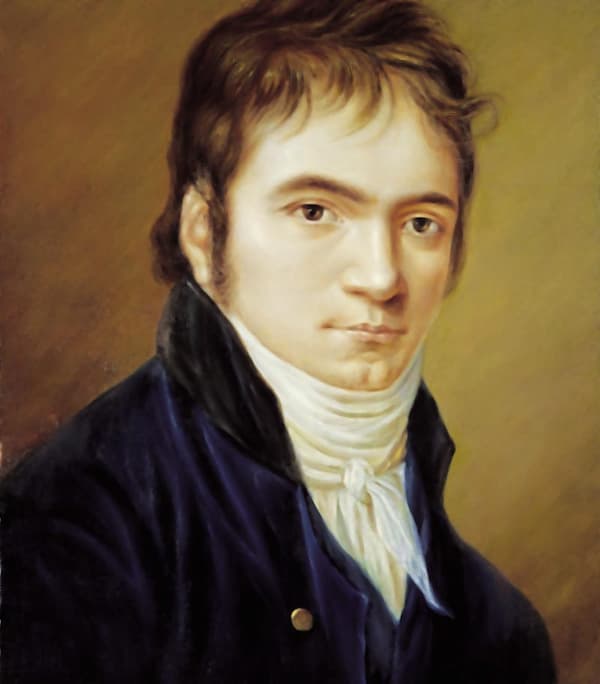
The history of classical music is full of the stories of composers who have had energetic love lives. Many ended up having children out of wedlock, and many others have been suspected of having children outside of wedlock.
Today we’re looking at the secret love lives of four composers, and looking at the evidence surrounding their love children…or at least potential love children. (Read more from “The Love Children of the Great Composers, Part 1”).
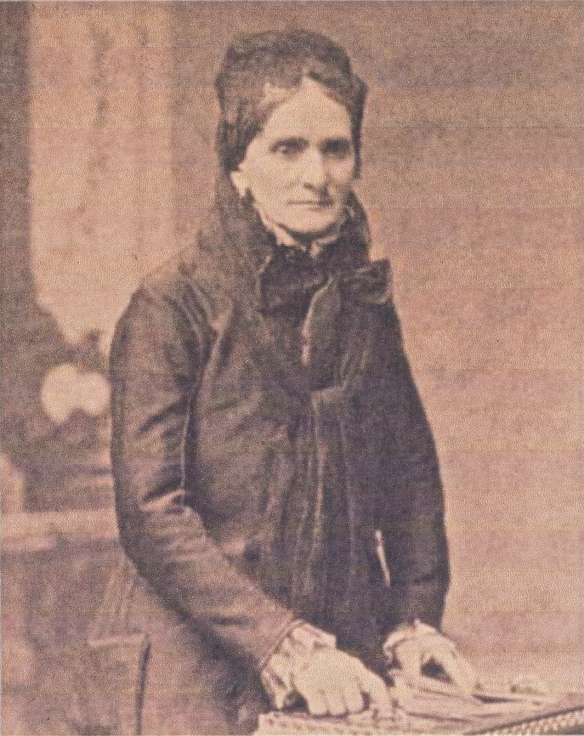
Mel Bonis (1858-1937)
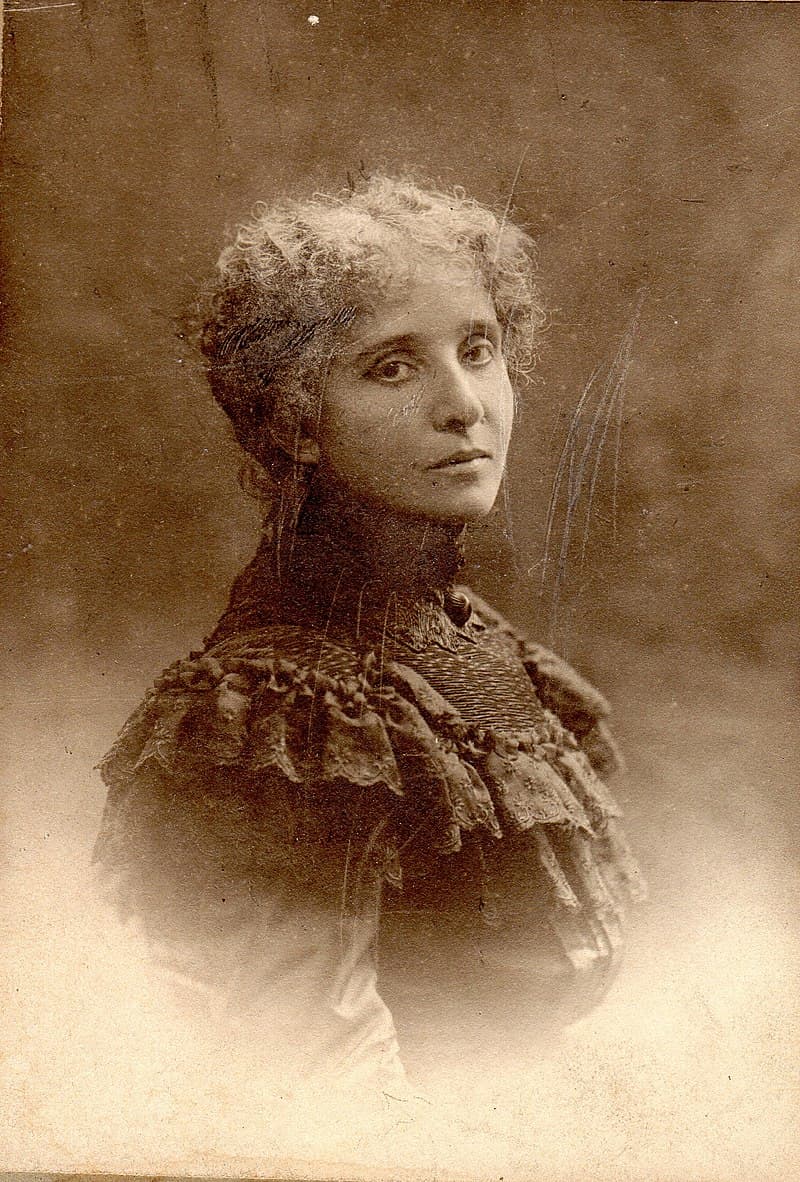
Mélanie Bonis, 1908
Mélanie “Mel” Bonis was born in 1858 in Paris to a strict, lower-middle-class Catholic family. Despite the fact that she was a prodigiously gifted musician, her family discouraged her musical studies.
However, in 1874, when she was sixteen, they finally relented and allowed her to study at the Paris Conservatoire.
While there, she met a poet named Amédée Landély Hettich, and fell in love with him. But when her parents found out, she was forced to leave the Conservatoire – and Hettich – behind.
In 1883, her family pressured her into marrying Albert Domage, a businessman twice her age, who brought five step-children into the relationship. In addition to mothering them, Bonis also had three biological children of her own.
Between the childcare responsibilities and the fact that her husband disliked music, she was forced to step away from her creative life.
In the 1890s, she reconnected with Hettich, who encouraged her to pursue her music again. He and Bonis had an affair, and she became pregnant. The baby was a little girl named Madeleine, born in 1899.
It was unthinkable for Bonis to raise her own illegitimate child, so she put her in the care of a former maid instead. To cope with the breakdown of her marriage and the absence of her daughter, Bonis threw herself into composition. Many of her best-known works date from this time.
Mel Bonis: Pensées d’automne, from 1894
In 1912, after Hettich’s wife died, he acknowledged he was Madeleine’s father. A few years later, after Domage died, Bonis became more involved in Madeleine’s life. She did not, however, reveal that she was her mother.
Drama struck after World War I, when Bonis’s son Édouard fell in love with Madeleine, and Bonis was forced to reveal that he had fallen in love with his half-sister. The couple split, and Madeleine married another man in 1923.
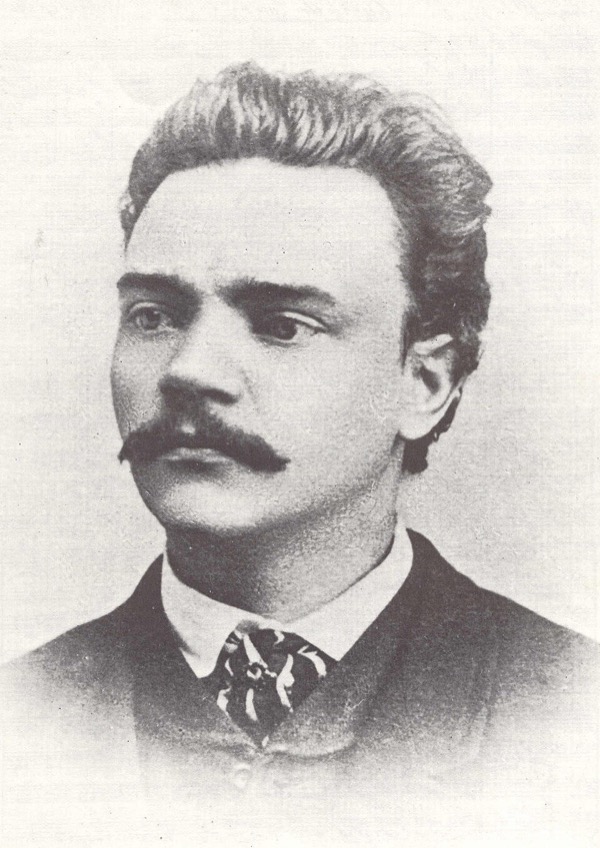
Giacomo Puccini (1858-1924)
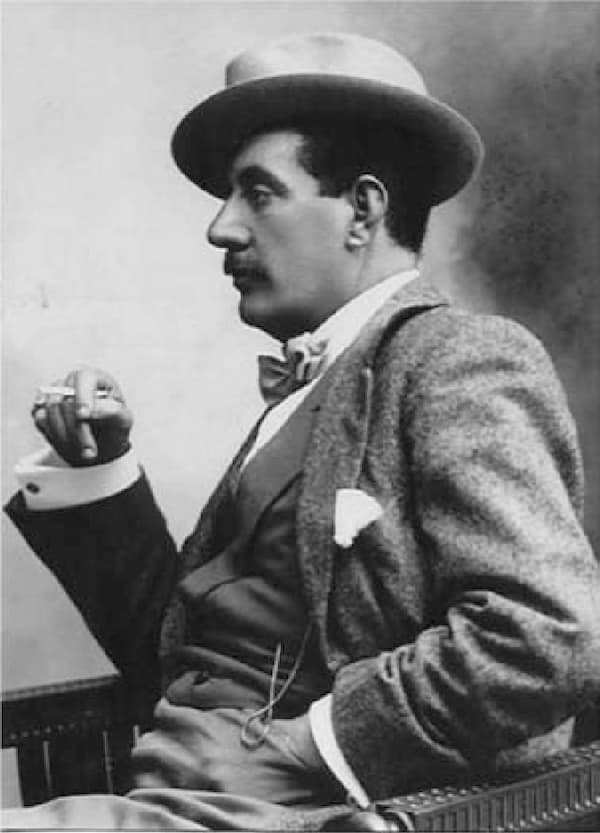
Giacomo Puccini
In 1884, noted ladies’ man Giacomo Puccini began teaching piano to a young married woman named Elvira Bonturi Gemignani, who was one of his wife’s friends. Puccini was twenty-six and Elvira was twenty-four.
Puccini and Elvira were deeply attracted to one another, and they soon embarked on a physical relationship.
When Elvira found out she was pregnant, she and Puccini fled to Monzi in Lombardy, Italy, to avoid scandal as best they could. In 1886, Elvira gave birth to Puccini’s baby, whom they named Antonio.
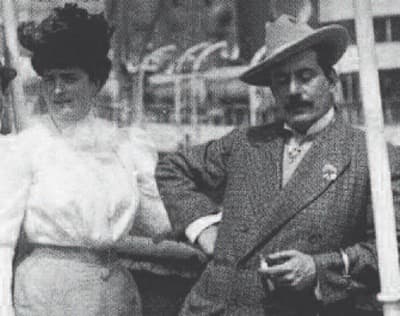
Giacomo Puccini and Elvira Puccini
Not surprisingly, Elvira’s husband was furious at the dual betrayals of his friend and his wife. Although divorce wasn’t legal in Italy at the time, thanks to its Catholic culture, the couple did part ways. Gemignani retained custody of their son but sent their daughter away to live with Elvira and Puccini.
On 25 February 1903, Puccini was in a car accident. Elvira and Antonio were thrown out of the vehicle, but Puccini was crushed by the car and nearly killed. His recovery would be long and difficult.
In a bizarre coincidence, the following day, Elvira’s husband, an infamous womaniser himself, was killed at the hands of one of his lovers’ husbands.
Gemignani’s death meant that Puccini and Elvira were finally free to marry, which they did on 3 January 1904. The marriage legitimised Antonio.
The finale of Madame Butterfly, premiered in February 1904
Frederick Delius (1862-1934)
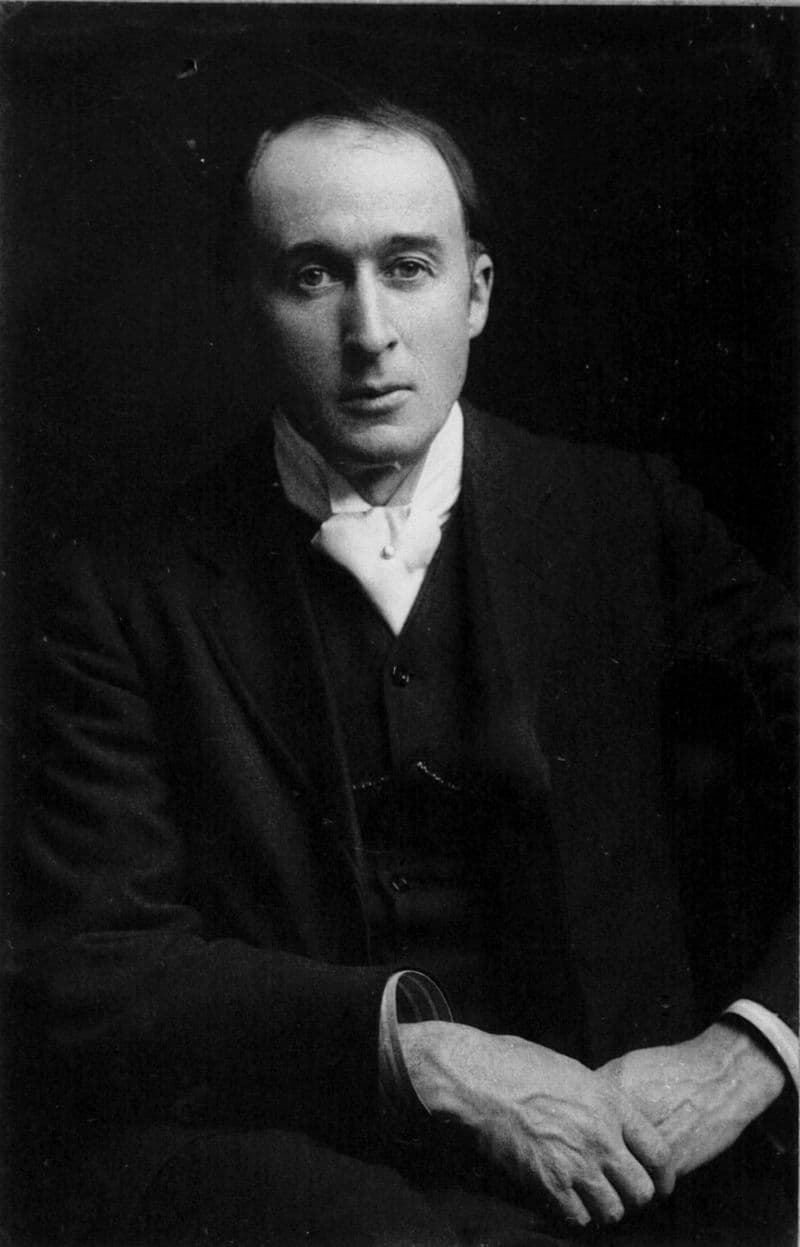
Frederick Delius
Composer Frederick Delius was born to a British mercantile family in 1862. His father, Julius, spent years trying to convince him to join the family business, but with no luck. Frederick was too obsessed with music.
We don’t know whether it was the original idea of the father or the son, but in 1884, Frederick sailed to Florida to oversee an orange plantation. While there, he focused on studying music…and paid less and less attention to the oranges.
He was especially taken by the Black musical traditions he encountered while living in the American South, taking note of waiters pulling double-duty singing at restaurants to workers singing folk songs on passing boats.
During this time, it is believed that Delius had a love affair with a Black woman known as Chloe and fathered a child with her. Chloe’s precise identity remains uncertain to this day.
Delius’s Florida Suite, 1887
Years later, after he was married, Delius returned to Florida to sell the plantation. Historians speculate that this may have been when he found out he was a father, or perhaps tried to establish contact with the mother and baby.
Violinist Tasmin Little has done research on the topic and believes that the loss of Delius’s child coincides with his maturation as a composer and influenced the melancholy, yearning tone of many of his works. Judge for yourself.
A Delius documentary starring Tasmin Little
George Gershwin (1898-1937)
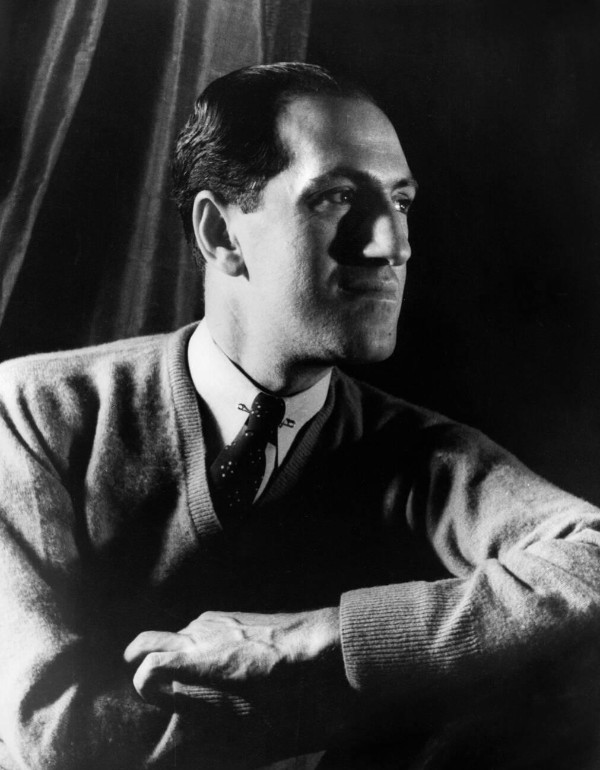
Portrait of George Gershwin
Albert Schneider, a man who went by the name Alan C. Gershwin, maintained for decades that he was the love child of George Gershwin…and despite flimsy evidence, his certainty of the fact convinced quite a lot of people!
This is how Schneider claimed it all went down.
Gershwin playing his song Someone to Watch Over Me, 1926
He was born in 1926, reportedly the product of a fling between Gershwin and a dancer named Mollie Charlkovitz, stage name Molly Charleston.
The Gershwin family didn’t want to acknowledge him, so they arranged for the baby to be raised by Mollie’s sister, Fannie Schneider, from Brooklyn.
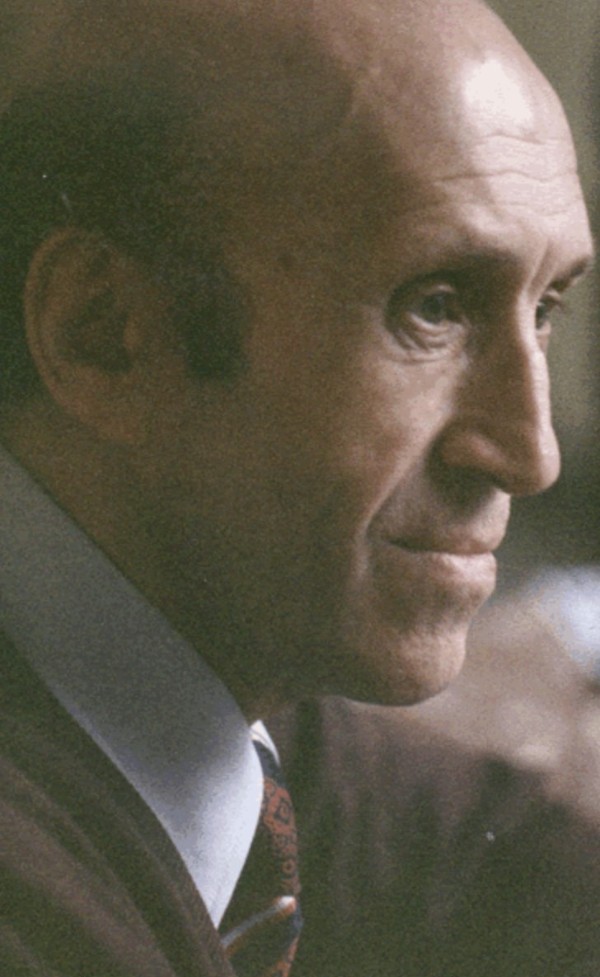
Alan Gershwin
Schneider claimed to remember playing piano with his father, and being threatened by the Gershwins to never let the secret slip.
It was an outrageous story on the face of it, but Schneider did boast an impressive likeness to Gershwin. He also composed songs and was devoted to preserving the composer’s memory.
In fact, he made an entire career out of the connection, traveling the world to share his story, even lecturing on cruise ships about it.
Schneider occasionally threatened legal action against the Gershwin family so that he could claim part of the lucrative Gershwin estate, but he never actually pulled the trigger to do so.
He also never took a DNA test to test his claims. In fact, one blood test revealed that the boy he was raised with was his brother, not his cousin; he decided to square that particular circle by claiming Gershwin had fathered them both.
Schneider died in 2018 in New York.
Many composers had love children. But it seems likely that one of the most famous love children in classical music history wasn’t actually one after all!
For more of the best in classical music, sign up for our E-Newsletter