Sergei Rachmaninoff (1873-1943) had a rather limited involvement with opera. However, he did complete three one-act operas between 1892 and 1905. Aleko was written as a graduation piece at the Moscow Conservatory in 1892, and it earned him high honours and the praise of Tchaikovsky.
The composer returned to the stage with two more compact works between 1903 and 1905. The Miserly Knight Op. 24 and Francesca da Rimini Op. 35 were conceived as a potential double bill, and premiered as such on 24 January 1906 at the Bolshoi Theatre in Moscow, with the composer himself conducting.
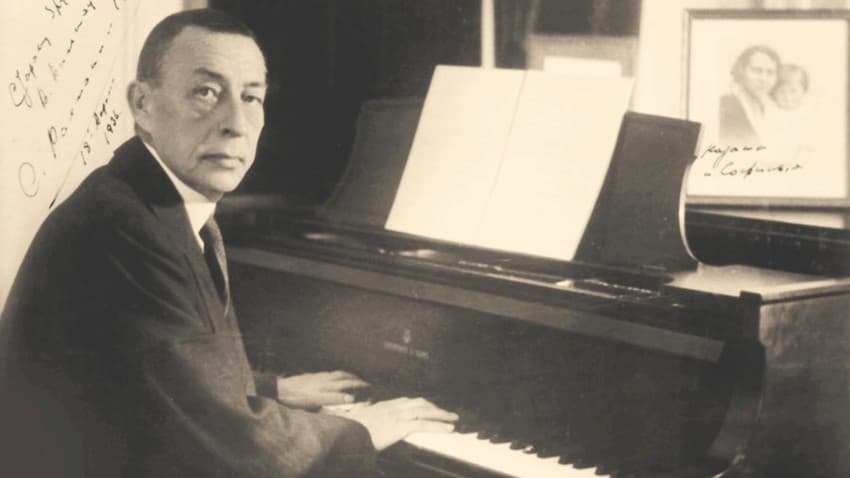
Sergei Rachmaninoff
Neither work is staged with great regularity today, and to commemorate Rachmaninoff’s death on 28 March 1943, we decided to feature the somewhat controversial and concentrated psychological drama of The Miserly Knight.
Sergei Rachmaninoff: The Miserly Knight “La Troika”
Critical Hostility
The Miserly Knight has not fared well with critics. On the occasion of a rare staging in Glyndebourne, Antony Holden writes, “The score is distinctly mediocre, the staging little better after a promisingly showy start to offset the extended longueurs of the overture.”
But two long monologues from father and son, leavened only by an antisemitic exchange with a moneylender and a patrician judgment from the local duke… amid an all-male cast in shabby period dress, do not an opera make.” (Holden, The Guardian 2004)
Musicologists go even further and suggest that the “opera as a whole is probably unrevivable, due to the screechy monotony of the outer scenes, the absence of female roles and the offensive musical caricature of the Jew.” (Taruskin, Grove Music Online, 1992)
Sergey Rachmaninoff: Skupoy ritsar’ (The Miserly Knight), Op. 24 – Prelude (Russian State Symphony Orchestra; Valery Polyansky, cond.)
A Personal Breakthrough
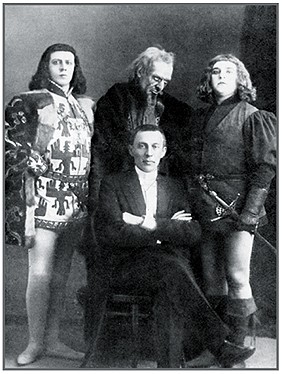
Rachmaninoff and the cast at the premiere of the The Miserly Knight
In an interview in the New York Musical Observer in 1927, Rachmaninoff remarked that his opera The Miserly Knight had been the first real start in his life. The opera came on the heels of the composer’s therapy sessions with Nikolai Dahl, who treated him for sleep and mood disorders.
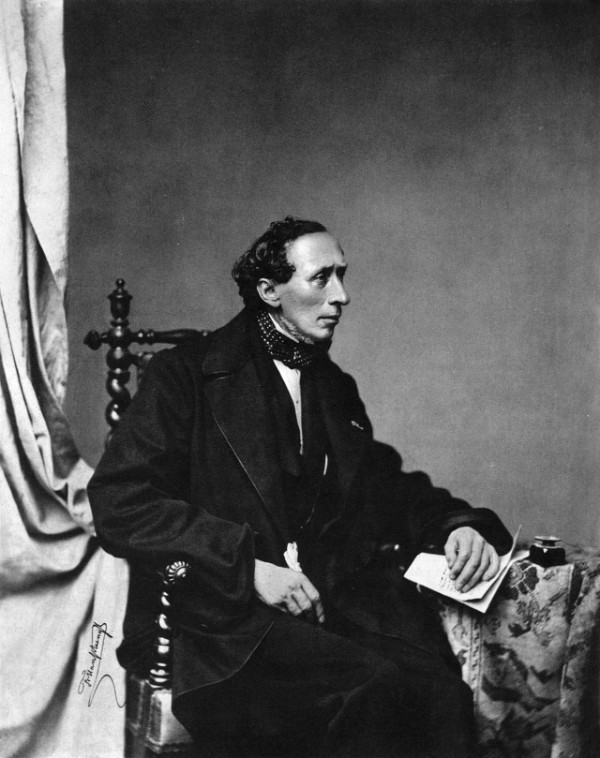
The libretto for The Miserly Knight comes straight from Alexander Pushkin’s drama of the same name. It originates in a group of four short psychological dramas titled “Little Tragedies.” Pushkin claimed that he had borrowed the subject from a tragicomedy by the English poet William Shenstone.
Rachmaninoff decided, in lieu of a libretto, to set the unaltered original dramatic text. Apparently, he deleted roughly 40 lines of text for the sake of brevity. One immediate curiosity concerns the participating roles, as it features five male singers, but no female voices.
Sergey Rachmaninoff: Skupoy ritsar’ (The Miserly Knight), Op. 24 – Scene 1: In the Tower (Vsevolod Grivnov, tenor; Vitaly Efanov, bass; Borislav Molchanov, tenor; Andrei Baturkin, baritone; Mikhail Guzhov, bass; Russian State Symphony Orchestra; Valery Polyansky, cond.)
A Private Premiere
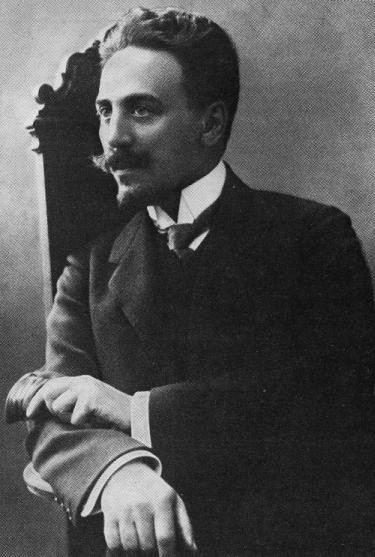
Felix Blumenfeld
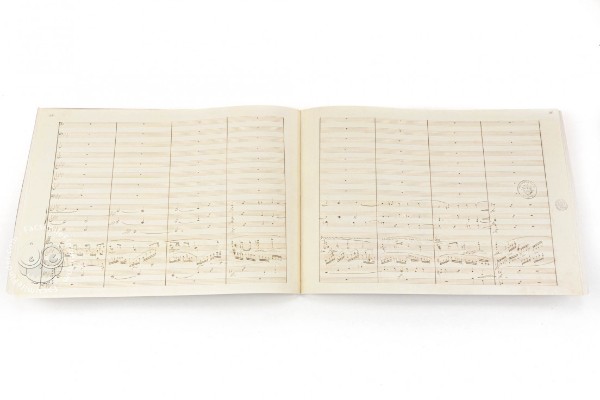
The musical score was completed in 1904, and a couple of days before its official premiere, the opera was performed at Rimsky-Korsakov‘s apartment in St Petersburg. Fyodor Chaliapin performed the role of the Baron, and the accompanist was the pianist Felix Blumenfeld.
The critic Aleksandr Ossovsky took the role of the Jewish moneylender, and he recalled that the opera was not well received. “Whilst according to the work, powerful, vivid and dramatic moments, Rimsky-Korsakov concluded that the composer had concentrated excessively on the orchestral effects to the detriment of the vocal part.” (Taylor, Chandos, 2004)
Apparently, Chaliapin agreed and decided to forgo the Moscow premiere, leaving Rachmaninoff scrambling to find a replacement in Georgy Baklanov. Chaliapin, however, did eventually perform the second scene in a concert setting a year later.
Sergey Rachmaninoff: Skupoy ritsar’ (The Miserly Knight), Op. 24 – Scene 2: In the Cellar (Mikhail Guzhov, bass; Andrei Baturkin, baritone; Vitaly Efanov, bass; Vsevolod Grivnov, tenor; Borislav Molchanov, tenor; Russian State Symphony Orchestra; Valery Polyansky, cond.)
Three Scenes of Tension
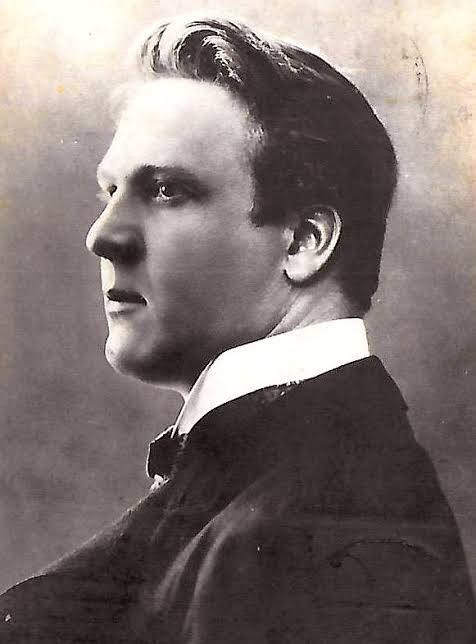
Fyodor Chaliapin
Rachmaninoff retained the original three scenes, setting each as continuous recitative without conventional arias and ensembles. The plot is set in England during the Middle Ages. A young knight named Albert has devoted his life to jousting and courtly pleasures, but he is now deeply in debt.
His father is an extremely rich Baron who refuses to support his son’s lifestyle. With funds running low, Albert approaches a money-lender who refuses to provide a loan. However, he offers Albert poison to murder his father. Albert is appalled at such a suggestion, and he resolves to go to the Duke and make his appeal.
In Scene 2, the Baron descends to his cellars, celebrating that he has accumulated enough gold to fill the sixth and final storage chest. He is filled with greedy delight and terror as he lights candles before the chests and opens them to gloat on what they hold.
In a powerful monologue, he fluctuates between ecstasy at the sight of all this twinkling gold and despair that he might soon die, and then his son would be able to claim it all and immediately spend it.
In Scene 3, Albert has appealed to the Duke for help in obtaining money from his father. The Duke conceals Albert in a nearby room and summons the Baron to persuade him to support his son. The Baron tries to protect his fortune and accuses his own son of wanting to steal from him.
Outraged, Albert leaps from his hiding place and accuses his own father of lying. The Baron challenges Albert to a duel, and Albert accepts. The Duke rebukes the father and banishes the son from his court. However, stressed by this confrontation, the Baron collapses fatally. As he is dying, he calls not for his son but for the keys to his beloved chests of gold.
Sergey Rachmaninoff: Skupoy ritsar’ (The Miserly Knight), Op. 24 – Scene 3: At the Palace (Vsevolod Grivnov, tenor; Andrei Baturkin, baritone; Mikhail Guzhov, bass; Vitaly Efanov, bass; Borislav Molchanov, tenor; Russian State Symphony Orchestra; Valery Polyansky, cond.)
Symphonic Terror and Abnormal Psychology
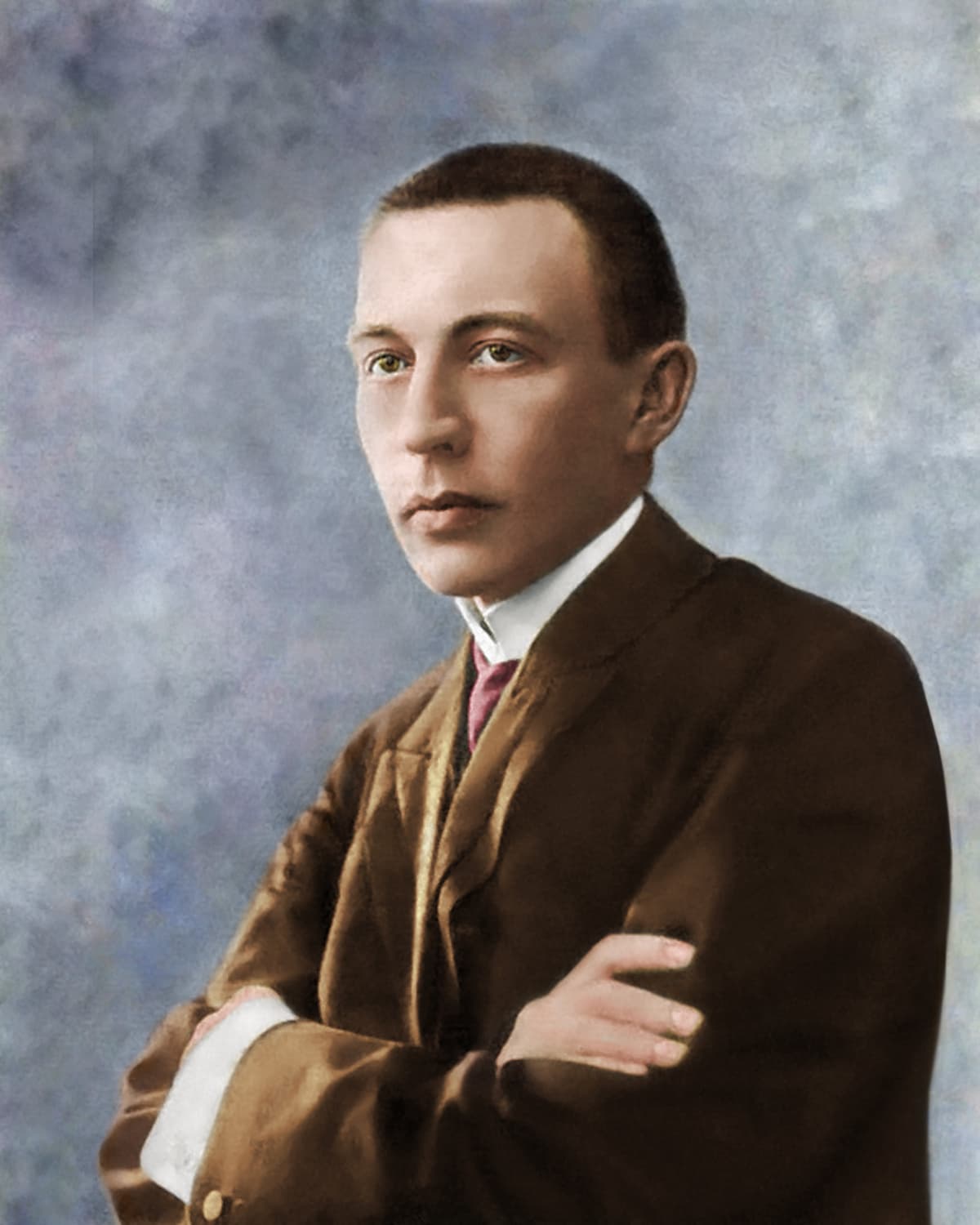
Rachmaninoff in 1909
As Richard Taruskin writes, “Rachmaninoff’s opera differs from the rest by virtue of its symphonic approach, which makes it one of the very few Russian operas in the tradition of Wagner’s Ring. Its high dramatic pressure, demanding a maximum of virtuosity from both singers and orchestra, achieves near-expressionistic intensity at climaxes, belying the composer’s reputation as a melancholic lyricist of limited expressive range.” (Taruskin, Grove Music Online, 1992)
The heart of the play and the opera is the soliloquy of the Baron in the subterranean vault as he is gloating over his fortune. As set to music as suggested by Taruskin, it is a study in abnormal psychology. It certainly is a tour de force for poet, composer, and performer. In fact, it has been called Rachmaninoff’s finest operatic achievement.
The Miserly Knight represents something of a conundrum. On one hand, it is widely regarded as Rachmaninoff’s finest operatic achievement, and on the other, it is chastised for its alleged antisemitism and for containing no female roles. Such disagreements reveal more about early 21st-century discomfort than about the work itself.
Does the opera need updating, rewriting, or a relevance campaign to escape the PR-driven sensitivity demands? In my humble opinion, it does not, as opera was rarely ever meant to be a feel-good experience. Be that as it may, The Miserly Knight is undeniably a grim and claustrophobic work that reflects the psychological intensity of early 20th-Century Russian art, including the era’s male toxicity and conventional Jewish stereotypes.
For more of the best in classical music, sign up for our E-Newsletter