Many classical music lovers are at least vaguely familiar with the name Lili Boulanger. In 1913, she became the first woman to win the prestigious Prix de Rome prize offered by the Paris Conservatoire.
Boulanger shattered that particular glass ceiling. But who was the next woman to win the prize? How long after Boulanger’s victory did hers happen? And what does her music sound like?
Today, we’re looking at the life and career of composer Marguerite Canal, the second woman to ever win the Prix de Rome.
Marguerite Canal’s Family and Early Life
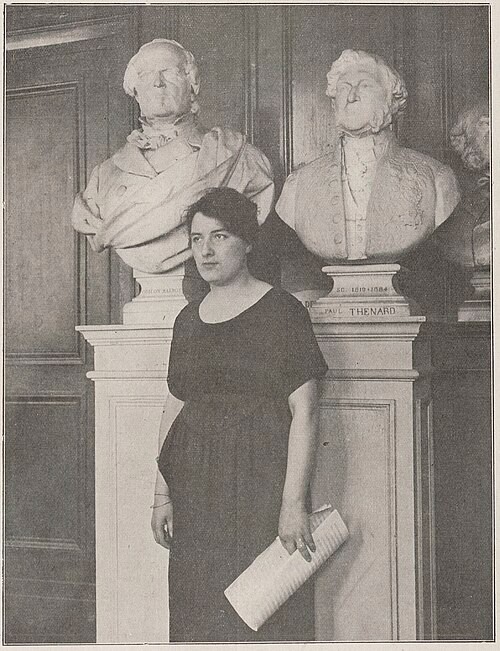
Marguerite Canal
Marguerite Canal was born Marie Marguerite Denise Canal in Toulouse, France, in January 1890.
Her family was musical. Her father was an engineer and an enthusiastic amateur cellist; her mother was a piano teacher; and her older brother Jean was a violinist. When she was young, they all bonded by playing chamber music together.
Her father raised her with an appreciation not just for music but also for literature and poetry. This passion for poetry would manifest in her affinity for mélodies.
Enrolling at the Conservatoire
In 1902, the Canals moved to Paris. The following year, when she was thirteen, Marguerite entered the Paris Conservatoire.
There she studied harmony with organist Henri Dallier, counterpoint with Georges Caussade (a professor who would go on to coach Lili Boulanger to her Prix de Rome win), and composition with Paul Vidal (another Boulanger teacher).
She thrived at the Conservatoire. Between 1911 and 1915, she won prizes in harmony, fugue, and piano accompaniment.
Canal was a gifted vocalist, but ultimately chose to develop her interest in composition instead.
Historians aren’t sure when exactly she began composing, but her earliest surviving mélodie, Les Roses du Saadi, dates from 1908, when she was an eighteen-year-old student.
Les Roses du Saadi
The Nightmare of World War I
Her life, and French life generally, was turned upside down at the outbreak of World War I.
Germany declared war on France in early August 1914. Just a few weeks later, her brother Jean died: one of the quarter million French casualties at the First Battle of the Marne.
During the war, she turned to music for comfort and distraction.
In 1916, she wrote a cycle of six Chansons écossaises (Scottish songs).
Annie from Six Chansons Ecossaises
Two years later, in 1918, she set the poem “Ici bas, tous les lilas meurent” (“Down here, all the lilacs die”) by poet Sully Prudhomme, a poem that had been set by many French composers, but had a grim new resonance after the destruction of the war.
For years, she would attempt to write a requiem in her brother’s honour, but she was never able to finish it.
During the war, she conducted concerts by the Orchestra of the Union des Femmes Professeurs et Compositeurs de Musique (the Union of Women Music Teachers and Composers), a group that had been founded in 1904 to advance the interests of women in music in France.
In this position, she led fundraising concerts for ill or injured women, as well as wounded French soldiers. The job made her one of the first women to conduct an orchestra in France.
The Postwar Environment for French Women
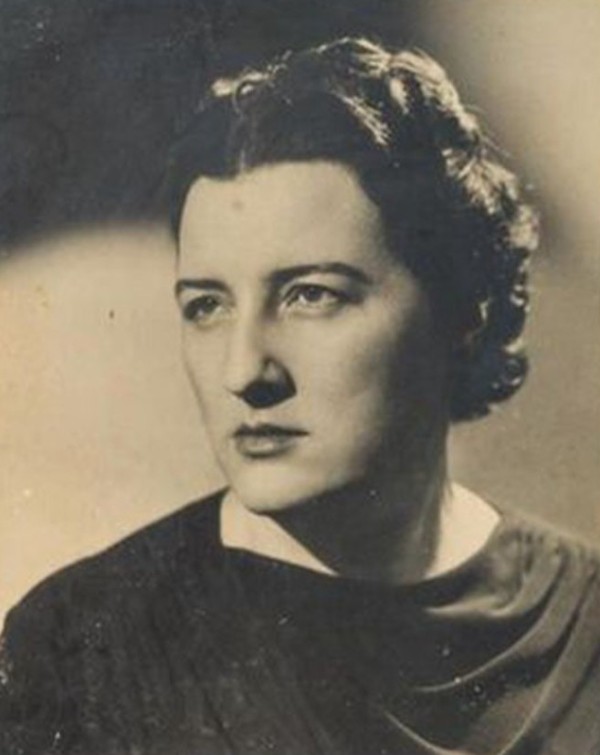
Marguerite Canal
In 1919, after the war ended, she accepted a position as a professor of solfege at the Conservatoire.
It was a noteworthy achievement for a young female musician, especially given certain strains of postwar thought popular at the time.
Trois Esquisses Méditerranéennes
At the conclusion of World War I, the French government wanted to incentivize women to marry and have children, given the extreme population loss the nation had suffered during the war.
This mindset accompanied a general disdain for working women who did not cede their jobs to men returning from the front.
That background makes Canal’s appointment to the Conservatoire staff all the more impressive.
Winning the Prix de Rome
Despite her achievement in securing a position at the Conservatoire, she had her eye on an even bigger goal: the Prix de Rome.
The Prix de Rome was a storied prize, won by some of the best-known French composers, like Berlioz, Debussy, Gounod, Bizet, and others.
Seven years earlier, Lili Boulanger had become the first woman to win the prize.
Boulanger was a generational talent, but the combination of her poor health, a decided independent streak, and the outbreak of World War I had kept her from taking full advantage of one of the Prix’s great rewards: time spent at the Villa Medici in Rome to compose in the company of brilliant prizewinners from other artistic disciplines.
Boulanger died in 1918 at the age of 24 of complications from a chronic illness (possibly Crohn’s disease).
After her death, the door was open for another woman winner to carry on her unfulfilled legacy.
Trois pièces romantiques
Canal first competed for the Prix de Rome in 1919. Interestingly, a full quarter of the competitors that year were women, reflecting the impact of Boulanger’s win.
Canal won a prize, but did not win the grand prize, so she entered again the following year (where, once again, a quarter of the competitors were women).
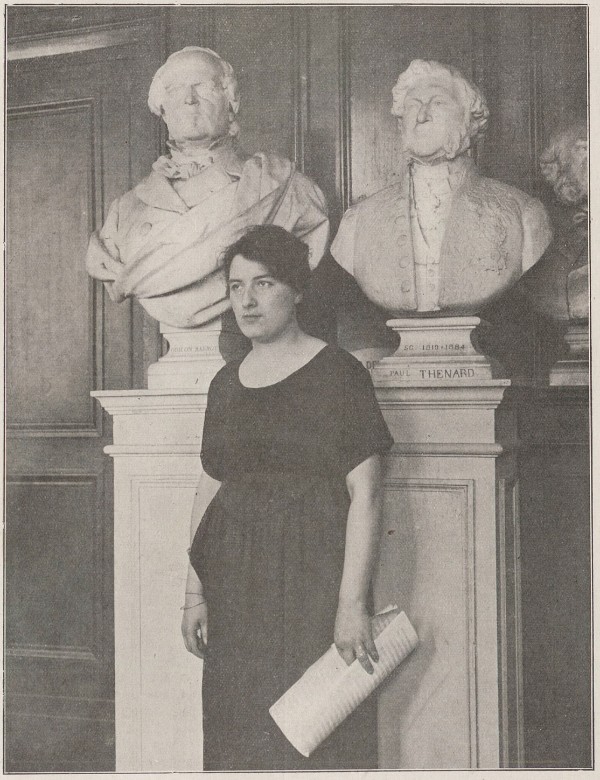
In 1920, she won the prize for her scène dramatique based on the legend of Don Juan.
The jury’s decision was unanimous: an incredible achievement, given the jury members’ conservative tastes and the fact that the vote usually required many rounds.
When Canal got the news, she reportedly fainted and, when she awoke, burst into tears. She was the second woman, after Lili Boulanger, to win the prize.
Marguerite Canal’s Post-Prize Output
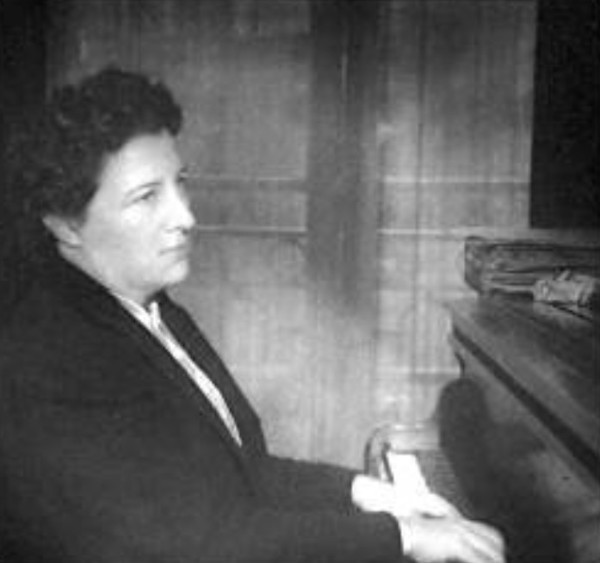
Marguerite Canal in 1951
In Rome, she composed a lovely violin sonata, as well as several song cycles, such as Sagesse, Le Jardin de l’Infante, and La Flûte de Jade.
La Flûte de Jade
La Flûte de Jade, like much of her music, is reminiscent of work written twenty years earlier. It deals in exoticism, which was a movement that Debussy and Ravel had been interested in exploring around 1900.
Canal was never on the cutting-edge in her compositional language (perhaps being both a cutting-edge composer and a pioneering woman composer was a bridge too far). But her work was always appealing and well-constructed.
Spleen for cello and string quintet
As she matured creatively, she leaned heavily into writing art songs and mélodies, a genre that was often thought of as feminine, and which felt natural to write in, given her early exposure to poetry.
In the 1920s and 1930s, she teamed up with soprano Ninon Vallin. Together they performed works by masters like Schubert, Debussy, Chausson, and Fauré, with Canal’s songs programmed alongside them.
Her Marriage – And Divorce
In August 1920, just a few weeks after winning the Prix de Rome, she married cellist and music publisher Maxime Jamin. He published her works throughout the 1920s.
She wanted children but never had any. Pressures began mounting on the marriage, and the couple initiated divorce proceedings in 1928. The resulting court battle was messy for both of them.
Sonata for violin (transcribed for flute), published by Jamin
One of the issues that Canal and Jamin argued over was royalties for Canal’s works.
Canal eventually emerged victorious in 1936, but she’d spent a great deal of time and energy in the legal battle.
She also needed to find another publisher for her works, given that she had divorced hers! She had difficulty doing so, and Canal would come to believe that it was due to her husband ordering his colleagues not to sign her.
Declining Output
During this tumultuous time, in order to make money, she had to teach instead of compose, which led to her writing fewer works.
In 1934, she wrote:
“I spend my life giving lessons at home, giving them elsewhere, teaching solfege at the Conservatoire… to the extent that I no longer have any time to write music… In the summer, I work on finishing the work that I began during the school year.”
Nocturne “Hommage à Chopin”
She had hopes of being promoted to professor of harmony at the Conservatoire – a more prestigious position that would enable her to work with more advanced students – but she remained a solfege teacher… the same position that she’d held before winning the most prestigious prize in her field.
The Final Years of Marguerite Canal’s Career
Despite these extraordinary obstacles, she worked hard to promote herself, appearing at countless concerts as an advocate and interpreter of her own works.
She also often participated in concerts of music by women composers.
Music from this later part of her life exists, but it has been difficult to publish or propagate it, due to legal issues and the inability to locate the rights-holders.
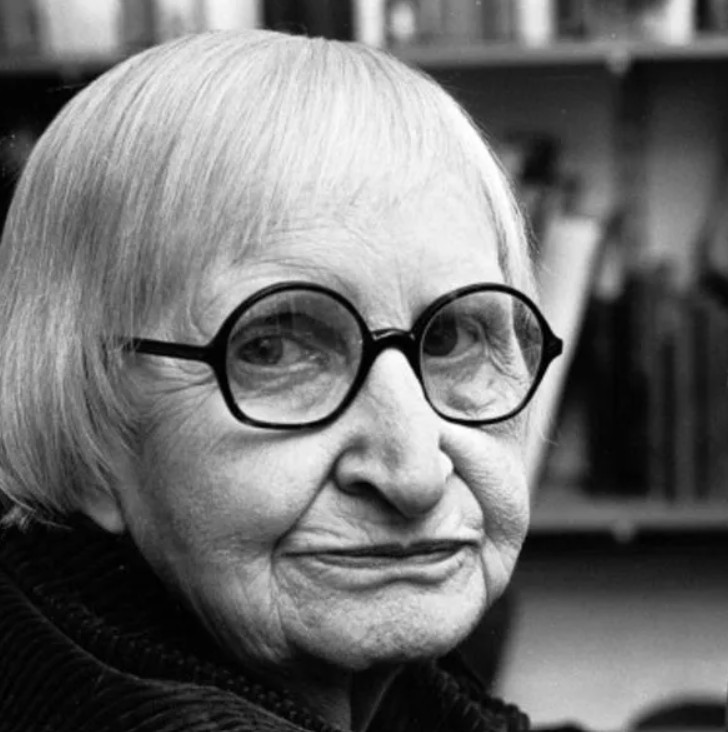
Canal’s health deteriorated as she aged. She retired to Cepet, France, a small town near Toulouse, and died in 1978, two days short of her eighty-eighth birthday.
Her important Prix de Rome win helped to pave the path initially blazed by the incandescent talent of Lili Boulanger and helped to legitimise women composers in Europe generally.
Over the following years, more women would win the Prix de Rome and be taken seriously as composers. Marguerite Canal was one of the reasons why.
For more of the best in classical music, sign up for our E-Newsletter