When you think of film music, names like John Williams, Hans Zimmer, or Ennio Morricone might spring to mind. After all, their sweeping scores are practically synonymous with the silver screen.
But long before lightsabres hummed or spaghetti Westerns galloped across deserts, a quintessentially English composer was weaving pastoral magic into the world of cinema. And his name was Ralph Vaughan Williams.
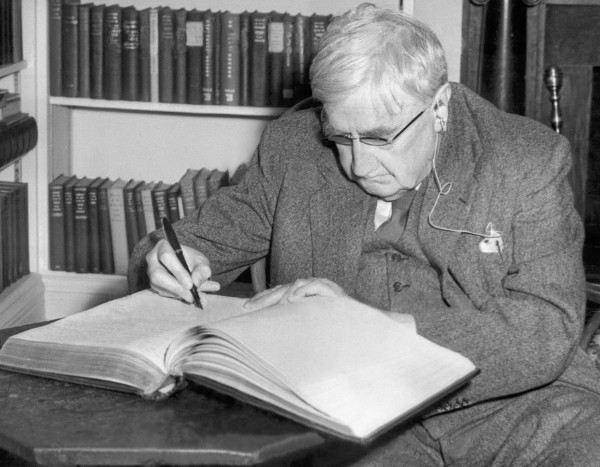
Ralph Vaughan Williams, 1954
Vaughan Williams is primarily known for his symphonies and folk-inspired works, but he brought his distinctive voice to a medium that was still finding its footing. To celebrate his birthday on 12 October, let’s wander through the lush fields of his film scores and discover what made them special.
Ralph Vaughan Williams: Scott of the Antarctic (Excerpt)
Embracing Cinema
Born on 12 October 1872 in the Gloucestershire village of Down Ampney, Ralph Vaughan Williams was a giant of British music, celebrated for reviving English folk traditions and crafting symphonies that felt like musical landscapes.
By the time he ventured into film in the 1940s, he was in his late 60s, an established figure whose works like The Lark Ascending and A London Symphony had already painted sonic portraits of England’s rolling hills and bustling cities.
So why, at this stage in his career, did he turn to film? The answer lies in a mix of patriotism, curiosity, and a desire to reach new audiences during a tumultuous time. As World War II cast a long shadow, the cinema became a powerful tool for morale and propaganda.
Vaughan Williams, a deeply patriotic man who had served as an ambulance driver in World War I, saw film as a way to contribute to the war effort and connect with everyday people.
Ralph Vaughan Williams: 49th Parallel (Main Titles)
Music as Storytelling
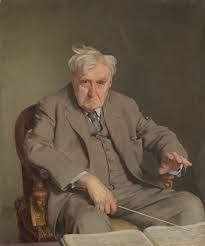
Ralph Vaughan Williams
His first foray into film scoring came in 1940 with 49th Parallel, a wartime thriller directed by Michael Powell. It was a bold leap for a composer rooted in concert halls, but Vaughan Williams approached it with the same seriousness he brought to his symphonies. As he put it, “I believe that music for films should be treated as seriously as any other form of composition.”
His score did not just accompany the visuals, but music became an integral part of the storytelling. This propaganda film followed a group of Nazi U-boat survivors stranded in Canada. Vaughan Williams’ score is a masterclass in setting mood without overpowering the narrative.
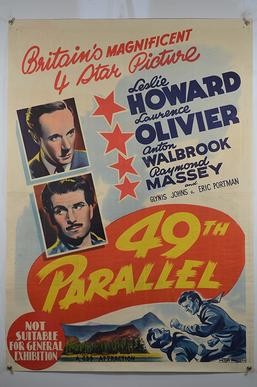
Forty Ninth Parallel
His music captures the vastness of the Canadian wilderness with sweeping, almost symphonic themes, while darker, dissonant passages underscore the menace of the fugitive Nazis. What makes this score quintessentially Vaughan Williams is its folk-inspired heart. He weaves in modal harmonies and melodies that echo English folk tunes, giving the music a sense of rootedness even in a foreign setting.
The score earned Vaughan Williams praise for his ability to match music to drama. It also set the tone for his approach to film scoring. The music was lyrical, evocative, and deeply human.
Ralph Vaughan Williams: Coastal Command Suite (BBC Philharmonic Orchestra; Rumon Gamba, cond.)
Heroic Tones
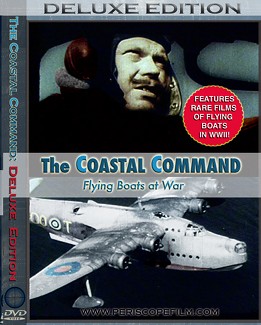
Coastal Command
His next major film project was Coastal Command (1942), a documentary-style film celebrating the Royal Air Force patrolling Britain’s seas during the war. Here, his music takes on a rugged, heroic quality, mirroring the bravery of the airmen and the relentless power of the ocean.
The score is less about sweeping melodies and more about texture, like rolling waves of strings punctuated by bold brass and percussion that mimic the roar of the aircraft engines.
One standout moment is the “Dawn Patrol” sequence, where Vaughan Williams paints a musical sunrise over the sea. The strings rise gently, like light breaking over the horizon, while woodwinds add a touch of warmth.
Vaughan Williams later adapted parts of this score into his Sea Songs for orchestra, proving that his film music could stand on its own as concert repertoire.
Ralph Vaughan Williams: The Loves of Joanna Godden (Suite)
Pastoral Melodies
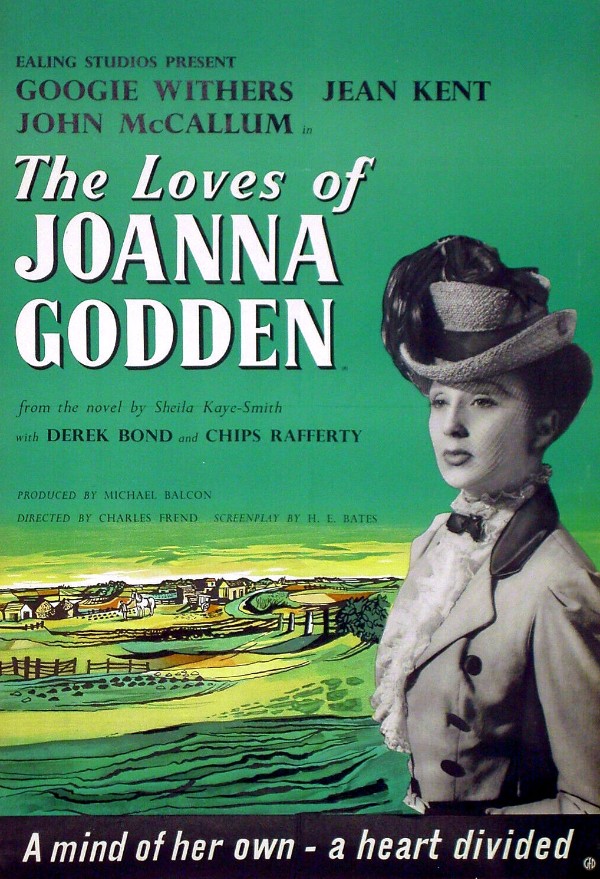
Joanna Godden
Not all of Vaughan Williams’ film work was tied to the war. In 1947, he scored The Loves of Joanna Godden, a romantic drama set in the Romney Marshes of Kent. This film, based on Sheila Kaye-Smith’s novel, follows a headstrong woman running her family’s farm while navigating love and loss.
The setting couldn’t have been more perfect for Vaughan Williams, whose music often felt like an ode to rural England. Brimming with pastoral charm, Vaughan Williams employs folk-like melodies and modal harmonies to evoke the windswept marshes, accompanied by lilting strings and woodwinds that evoke the sensation of a breeze rustling through the grass.
The love themes are tender but never sentimental, reflecting Joanna’s strength and independence. One can almost hear echoes of The Lark Ascending in the way the music soars, yet it’s tailored to the film’s intimate scale.
Ralph Vaughan Williams: Scott of the Antarctic Suite (Merryn Gamba, soprano; Jonathan Scott, organ; Sheffield Philharmonic Chorus; BBC Philharmonic Orchestra; Rumon Gamba, cond.)
Scoring the Icy Wilderness
Perhaps Vaughan Williams’ most famous film score is for Scott of the Antarctic (1948), a dramatisation of Captain Robert Falcon Scott’s ill-fated expedition to the South Pole. This score is a tour de force, blending stark, icy dissonances with moments of heartbreaking lyricism.
The Antarctic landscape demanded a soundscape far removed from the pastoral warmth of his earlier works, and Vaughan Williams rose to the challenge with music that feels both majestic and desolate.
The score’s opening theme, with its shimmering celesta and eerie strings, conjures the vast, frozen wilderness. Vaughan Williams uses unconventional techniques, like glissandi and percussive effects, to mimic the sound of cracking ice and howling winds.
Yet, amidst the harshness, there are moments of profound beauty when Scott’s team face their tragic end. This music later inspired Vaughan Williams’ Sinfonia Antartica, a testament to how deeply the film affected him.
Ralph Vaughan Williams: 3 Portraits from The England of Elizabeth – No. 1. Explorer (Rheinland-Pfalz State Philharmonic Orchestra; Karl-Heinz Steffens, cond.)
Tudor Melodies
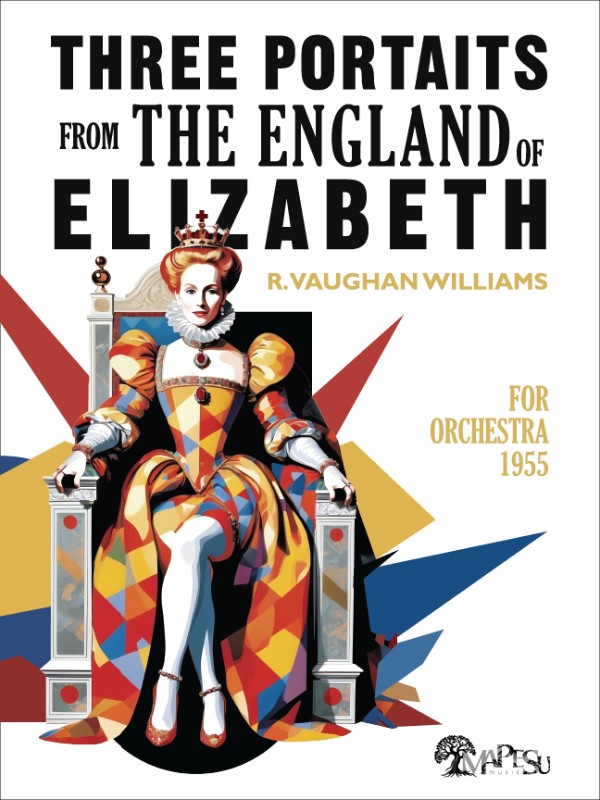
Vaughan Williams’ Three Portraits from The England of Elizabeth
In 1955, Vaughan Williams took on The England of Elizabeth, a documentary celebrating the legacy of Elizabeth I. This score is a delightful contrast to the starkness of Scott. Here, he leans into his love of Tudor music, crafting a score that feels like a Renaissance pageant brought to life.
The music sparkles with modal melodies and dance-like rhythms, evoking the grandeur of Elizabethan England. It’s as if Vaughan Williams is tipping his hat to composers like Thomas Tallis, whose influence runs deep in his own work.
The score’s lightness and elegance make it a joy to listen to, yet it’s no less sophisticated than his more dramatic efforts. It certainly shows Vaughan Williams’ versatility as he could conjure the terror of the Antarctic, the romance of the marshes, and the sprightliness of a courtly galliard.
Ralph Vaughan Williams: 3 Portraits from The England of Elizabeth – No. 2. Poet (Rheinland-Pfalz State Philharmonic Orchestra; Karl-Heinz Steffens, cond.)
Evoking Place and Emotion
Vaughan Williams composed for only a handful of films, but his impact was profound. His scores stand out for their ability to evoke place and character, and their seamless integration with the visuals. He understood that film music wasn’t just background noise. It was a partner in storytelling, amplifying the drama and giving voice to the unspoken.
His film work also reflects his broader mission as a composer. He wanted to create music that was distinctly English yet universally human. This gave his film music a timeless quality, distinct from the more Hollywood-centric styles of the era.
Moreover, Vaughan Williams’ film scores bridged the gap between the concert hall and the cinema. By adapting his film music into works like Sinfonia Antartica and Sea Songs, he showed that the medium could produce music of lasting artistic value.
Ralph Vaughan Williams: 3 Portraits from The England of Elizabeth – No. 3. Queen (Rheinland-Pfalz State Philharmonic Orchestra; Karl-Heinz Steffens, cond.)
From Screen to Symphonic Masterpiece
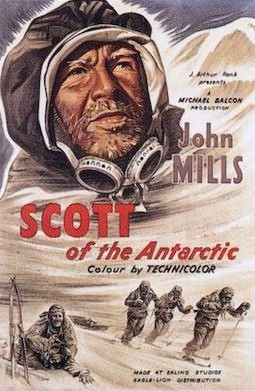
Scott of the Antarctic
Vaughan Williams’ film music may not have the name recognition of a John Williams score, but it’s no less impactful. His ability to capture the spirit of a place makes his scores unforgettable.
They’re not just accompaniments, but musical landscapes that linger in the mind long after the credits roll. For those unfamiliar with his film work, start with Scott of the Antarctic for its epic sweep, or The Loves of Joanna Godden for its pastoral charm.
Better yet, listen to the Sinfonia Antartica and hear how a film score can transcend its origins to become a symphonic masterpiece. Vaughan Williams didn’t just write music for films; he wrote music that made films feel like poetry.
For more of the best in classical music, sign up for our E-Newsletter