Mosaic Seasons, founded in 2023 by composer Tatiana Svetlova as a classical music festival based in the South of France and Monaco, returns to London on 14th March with its inaugural UK presentation of Music of Our Time at Bechstein Hall. This ambitious and thoughtfully curated programme is dedicated entirely to living composers and modern perspectives on the piano tradition. It features three compelling performers – Edna Stern, Evelyne Berezovsky and Louis-Victor Bak – in a concert that highlights the expressive range and conceptual depth of contemporary piano music.
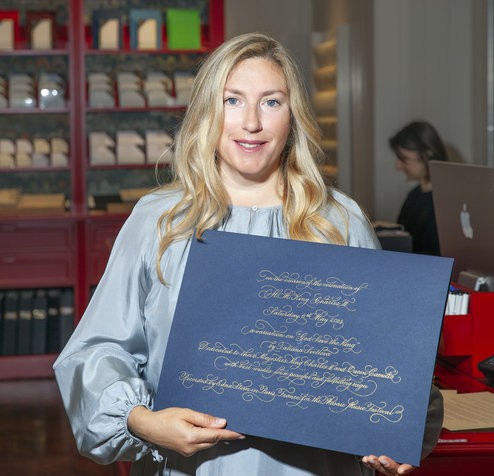
Tatiana Svetlova
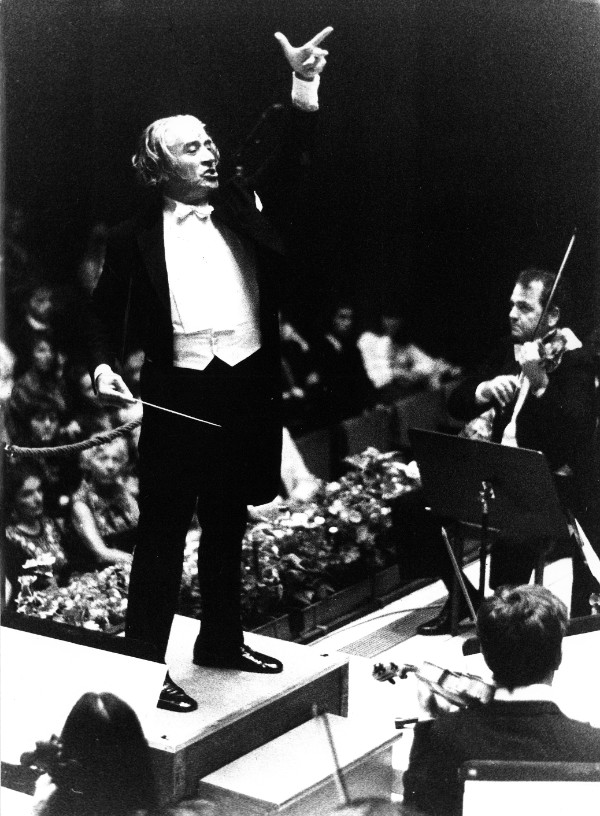
At the core of the programme is a dialogue between past and present. Silvina Milstein’s Piano Phantasy after Mozart K. 475 offers a contemporary reinterpretation of Mozart’s Fantasia in C minor. Evelyne Berezovsky performs Milstein’s reflective response, followed by Edna Stern’s interpretation of Mozart’s original – an inspired pairing that encourages audiences to hear familiar music refracted through the lens of a modern composition.
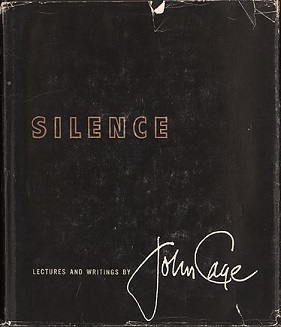
Silvina Milstein: Piano Phantasy K-475
Elsewhere, memory and personal narrative emerge as recurring themes. Geoff King’s “Family Photos: David, in Hastings” captures place and recollection through delicate, neo-impressionistic textures, while Svetlova’s own contributions (Madonna and Child (for Gaudí’s La Pedrera) and Sonnets No. 4 and 5 on the Theme of Bach’s Chaconne) intertwine architectural homage, spiritual reflection, and engagement with Bach’s enduring legacy. These works emphasise Svetlova’s curatorial vision: to present contemporary music not as an isolated avant-garde, but as part of a living continuum.
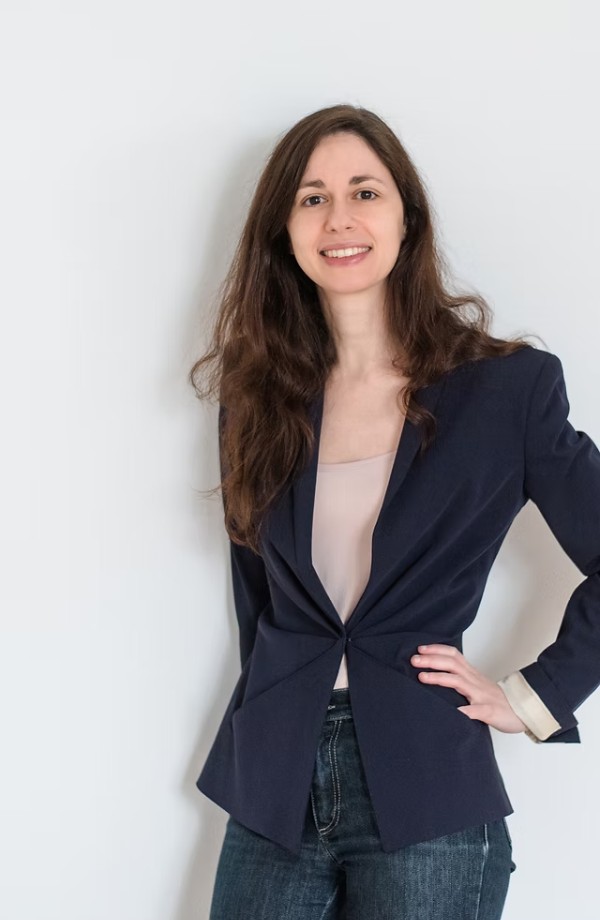
Edna Stern
Ahead of the concert, we spoke to Evelyne Berezovsky (EB) and Louis-Victor Bak (LVB) to learn more about their musical influences and inspirations, working with living composers, and their experience of performing contemporary repertoire.
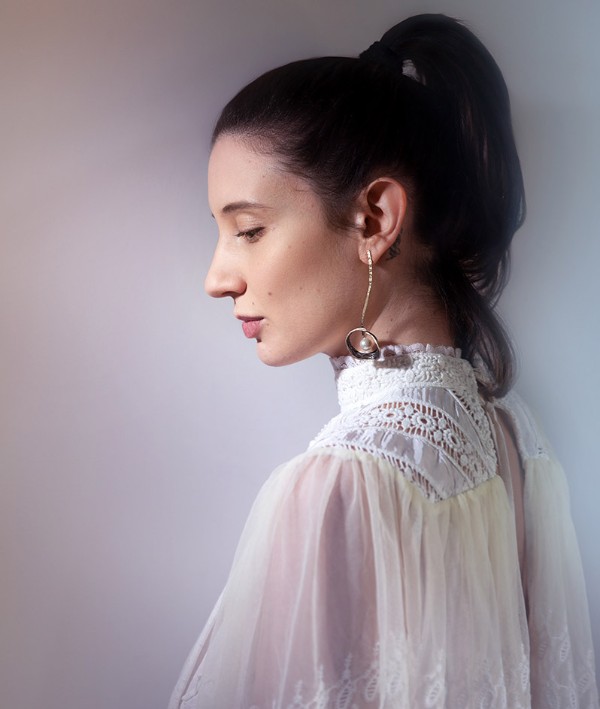
Evelyne Berezovsky
Who or what inspired you to pursue a career in music, and who or what have been the most important influences on your musical life and career?
EB: I was born into a musical family, so music was simply part of everyday life — there was almost no choice! Although I was never forced to play, I loved it and was tutored for many hours a day by my paternal grandfather.
LVB: Music has always been part of my life, even though I did not grow up in a family of professional musicians. From a very young age, I felt a deep, almost instinctive need to devote myself to music, long before I understood what that choice would really entail. Some of my earliest and most vivid musical memories are connected to my mother. She is a pharmacist by profession and an amateur classical guitarist, and despite long working days, I often heard her practicing late at night. Those moments left a lasting impression on me. Music quickly became a place of refuge, a private space where I could express things that words could not always convey.
As I began to discover the piano more seriously, recordings played a crucial role in shaping my musical imagination. I was particularly struck by the playing of Krystian Zimerman, Martha Argerich, and Evgeny Kissin. Their artistry opened up entire worlds of sound and expression and deeply influenced my will to become a professional musician.
As my path became clearer, my teachers naturally became some of the most important influences in my life. I was fortunate to study with inspiring musicians such as François Dumont and Edna Stern, whose guidance shaped not only my pianistic development but also my artistic values, my curiosity, and my relationship with music as a living, constantly evolving art form.
How does collaborating with living composers and performing new music shape your artistic voice and the dialogue between tradition and innovation?
EB: Collaborating with living composers reminds me that music is a living, evolving conversation rather than something fixed. As many of my friends are composers, I feel closely connected to that creative process. I’m also hoping to develop a project commissioning new transcriptions of jazz standards for solo piano to sit alongside works by Earl Wild and Gershwin, creating a natural dialogue between tradition and innovation.
LVB: I always find it deeply exciting to learn and perform music by living composers, especially when I have the opportunity to meet them and work alongside them. Each time, I am struck by the discovery of new sounds, new colours, new ways of playing, and new ways of thinking about music itself.
This process is extremely enriching because it opens up fresh perspectives and greatly expands the imagination. Very often, there are no recordings or established performance traditions to rely on, which creates a genuine space for sonic exploration. I experience this as a form of play; a shared search for sound, meaning, and expression.
Collaborating with living composers places us at the very heart of the creative process. We can exchange ideas directly, ask questions, and engage in dialogue, something that is no longer possible with the traditional repertoire. This music feels intrinsically connected to the present moment and to live performance. Perhaps even more than in a traditional recital, it invites audiences into a unique sonic experience, and that sense of novelty often generates a great deal of excitement and curiosity.
The feelings of exploration, immediacy, and presence that I naturally experience through contemporary music are something I try to bring into all the repertoire I perform. Regardless of the period or style, my approach remains the same: the essential question is always what message the music is seeking to convey.
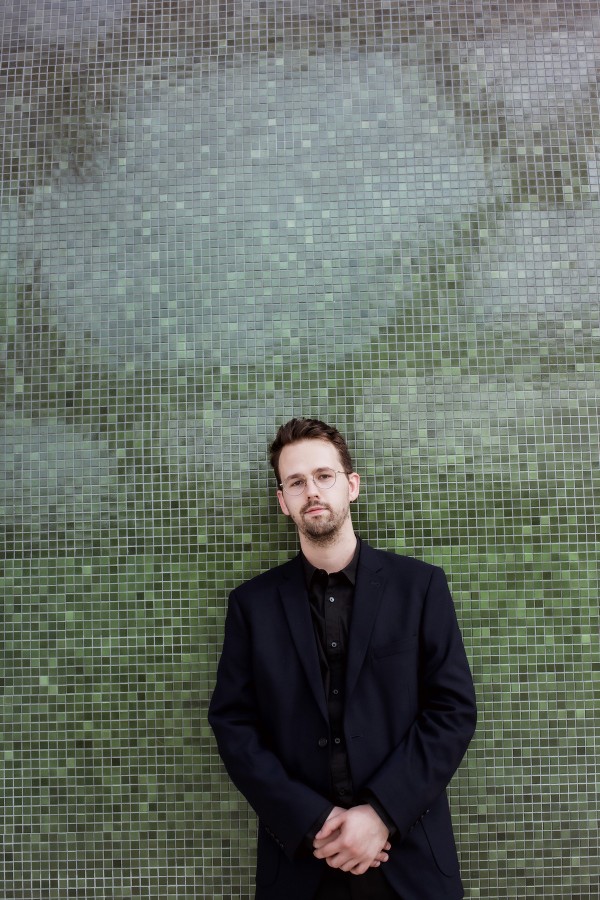
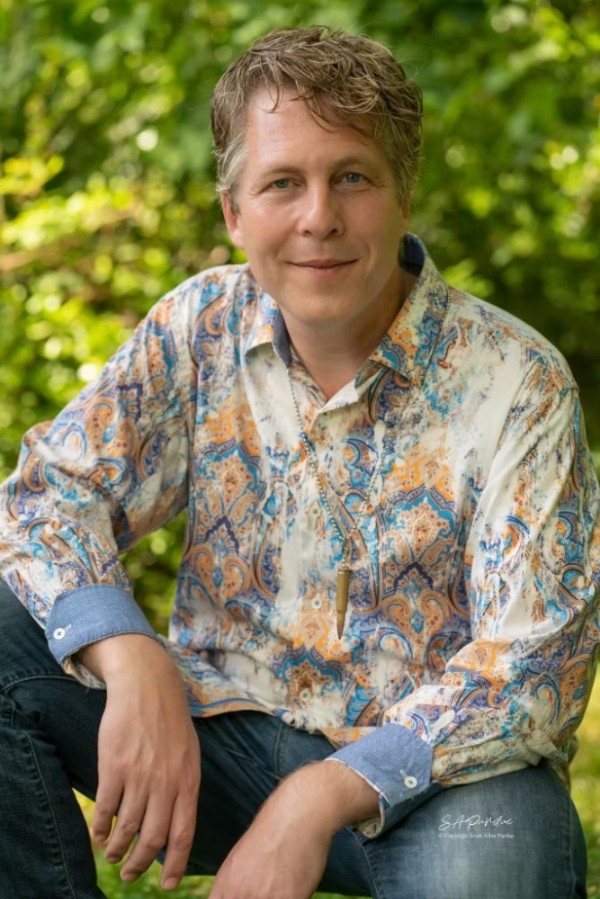
Louis-Victor Bak © Amandine Lauriol
What do you do off stage that provides inspiration on stage?
EB: I mostly listen to music from non-classical genres — not only do I enjoy it, but I find it helps me stay fresh in my approach and interpret the music I play with more spontaneity and emotional immediacy.
LVB: For me, feeling mentally and physically balanced is essential in order to feel free and inspired on stage. To cultivate that balance, I make space for regular physical activity, I am attentive to getting enough rest, and I place great importance on spending time with friends – talking, laughing, sharing, and enjoying everything that life in London has to offer.
I see music as the expression of deeply human and universal emotions, and it is through connection with others that I nurture my inspiration. Living fully, staying curious, and remaining open to the world around me are as important to my artistic life as the hours spent at the instrument.
I am also an enthusiastic listener and music lover in the broadest sense. Regardless of style, I am deeply interested in following the paths, artistic choices, and commitments of other artists of my generation, which continually feeds and renews my own musical thinking.
As a musician, what is your definition of ‘success’?
EB: Success for me is the feeling of complete immersion on stage — a loss of self where music exists without effort or self-consciousness. Maybe it’s the closest I’ve gotten to a meditative state, but I’m alright with that!
LVB: For me, success means being able to make a living through music while remaining free to choose my projects, my concert programmes, and the people I work with. It is about building a career that allows for independence and genuine artistic choice. Freedom, in that sense, is inseparable from integrity. It means staying true to oneself, remaining aligned with one’s values, and being able to express oneself fully and honestly, without compromise.
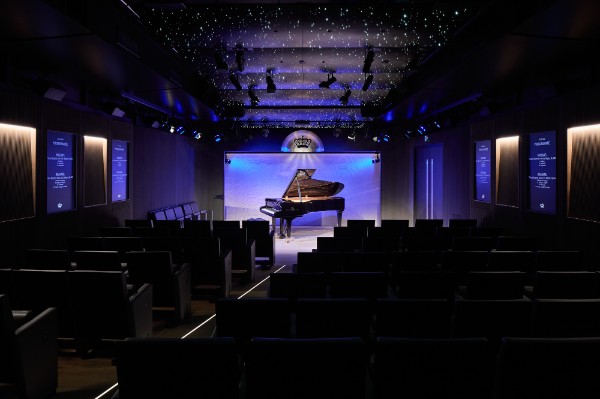
Bechstein Hall
Following the success of the Mosaic Seasons festival in Monaco and the south of France, ‘Music of Our Time’ presents an inventive and captivating selection of works by living composers, highlighting that contemporary music is vital in shaping the tastes and sensibilities of the next generation and their engagement with classical music.
Music of Our Time is at Bechstein Hall, London, on Saturday, 14th March.
For more of the best in classical music, sign up for our E-Newsletter