
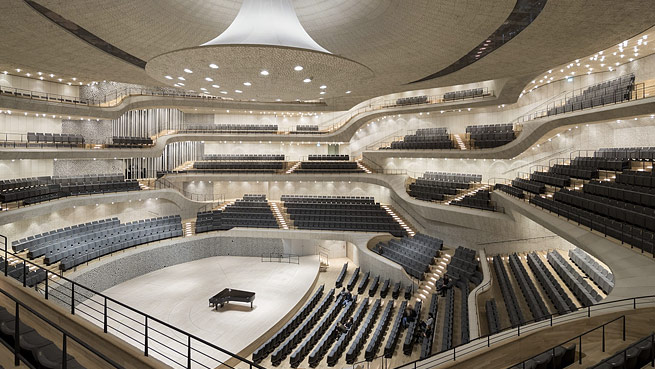
Concert– a performance by musicians or singers for an audience The word “concert” conjures up an image of a beautiful hall, an orchestra or soloists on stage and an appreciative audience listening intently. From the grand old halls such as
In tune
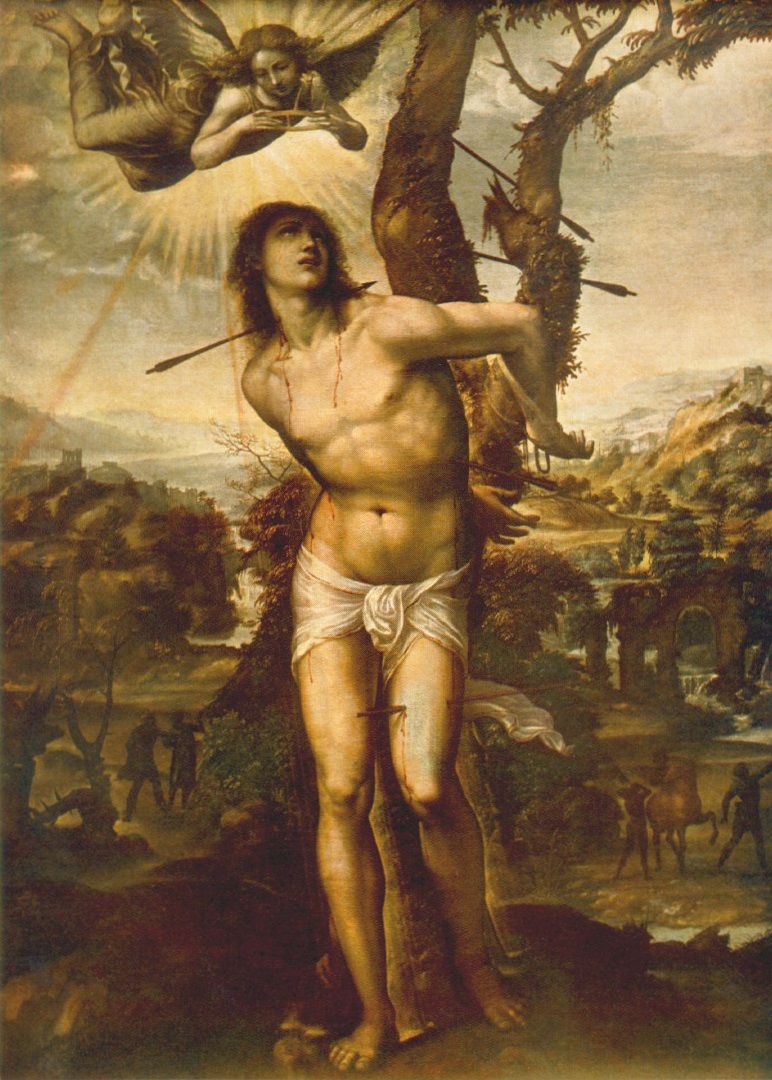
The Plague was the Medieval world’s pandemic. The 20th and 21st century pandemic is the flu. No black swellings of the lymph nodes for the modern patient, we get lung problems with fever. St. Sebastian, he of the arrows, was
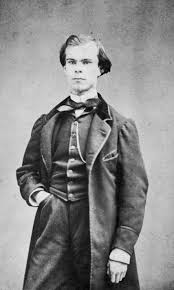
In 1911 Claude Debussy was questioned in the journal “Musica” on the ideal text to set to music. Having skeptically illustrated a number of possibilities, the composer declared his preference for rhythmic prose, adding that the composer himself should write
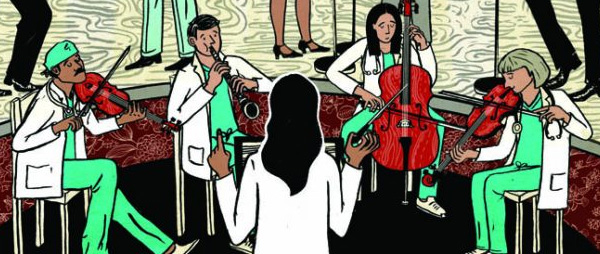
With the medical world up to their necks in the COVID-19 virus outbreak, medical people will not be getting much rest. But when things do get back to normal, they will be turning back to one of their greatest loves,
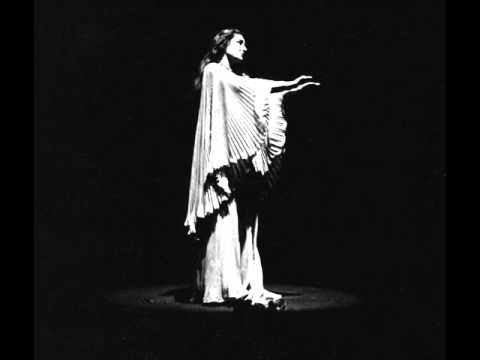
In 1982, American artist Julian Schnabel mixed what we might consider high and low culture in his four Maria Callas paintings. These highly abstract works, entitled Maria Callas #1, #2, #3, and #4, were painted on a beautiful dark red/purple
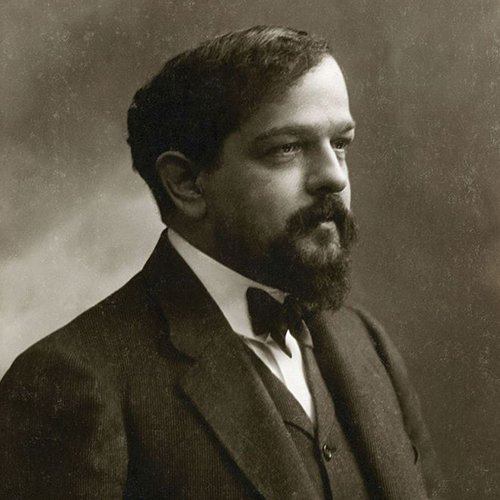
Claude Debussy (1862-1918) is famous for his one opera, Pelléas et Mélisande, an opera of seduction and loss. But this was not his only assay into opera. He started work after work, leaving them incomplete: Hélène (1881), Diane au bois
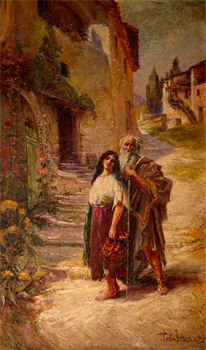
“Nur wer die Sehnsucht kennt” (Only he who knows longing) is one of four Mignon songs in Goethe’s Wilhelm Meister written in 1795. These songs are symbolic, because they are sung and not recited by the main characters. The episode
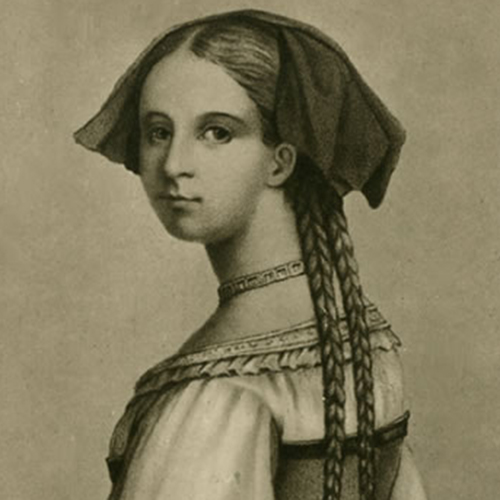
Goethe’s most famous lyric with refrain is undoubtedly “Heidenröslein” (Heath Rose). The poem is a sustained metaphor for the deflowering of a maiden, and it possibly originated during Goethe’s stay in Strasbourg. During his two-year stay, the 21-year-old poet fell