
When we look at artists and their friends, sometimes its because, in each of their realms, the artist and the composer may have similar stylistic thoughts. In other cases, however, the works of the two artists may be completely opposite.
In tune
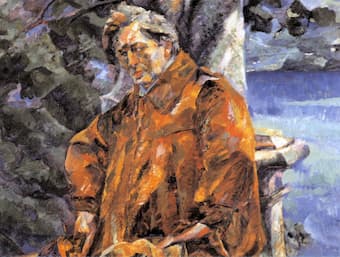

Symphony orchestras perform some of the greatest music ever created by mankind. Nonetheless, negative labels have been hurled at these bastions of classical music, accusations such as—they’re like an albatross, slow to embrace change; they uphold antiquated traditions and formats;
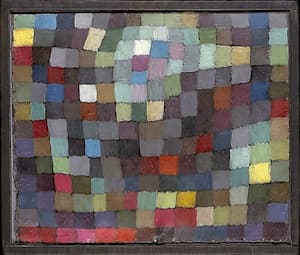
In my article When the Ear Meets the Eye, I mentioned how music and visual arts have collaborated throughout the years, and particularly how composers have taken inspiration in works of visual art to create their own musical works. I
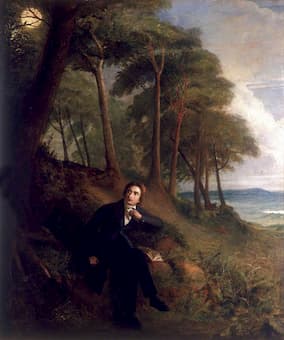
In the woods in May 1819, a nightingale sings of summer and her notes fall on the ears of the poet John Keats. He uses the metaphor of the audible but invisible bird, singing to the open skies, as a
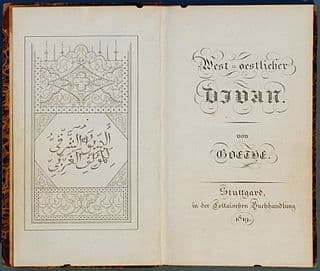
The Suleika figure we find in Felix Mendelssohn’s settings is far less Oriental and feminine than the one found in his sisters reading. Some scholars have suggested that chromaticism is traditionally linked with Orientalism. “It is supposed to embody cultural

Throughout the 19th century, the Orient raised scholarly interest and provided subjects for lyric poetry, fantasies and novels. Embodying everything that was exotic, erotic, and decadent, the orientalising fetish as it has been called, was fueled by two important sources
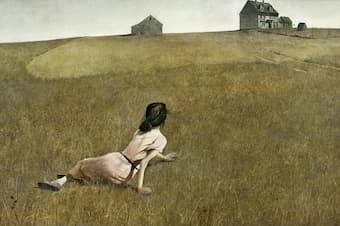
It’s one of the most dramatic of American paintings. On a large grassy field, a woman sits on the ground, turned with her back to the viewer, facing a rolling hill. Her body is twisted, her left hand in front
When Giacomo Puccini (1858-1924) was commissioned to compose a new opera in 1884, his choice of story fell on Edgar, a tragedy inspired by La coupe et les lèvres by Alfred de Musset. The librettist Ferdinando Fontana took some liberties,