
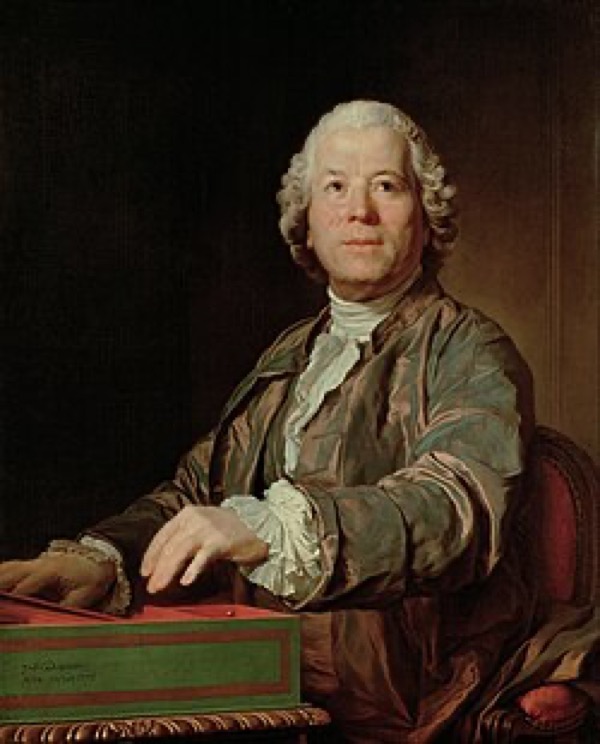
Working from the Habsburg court in Vienna, Christoph Willibald Ritter von Gluck, born on this day, 2 July (1714–1787), freed opera from the stranglehold of opera-series practices that had been accruing over time and created a new opera style that
Articles
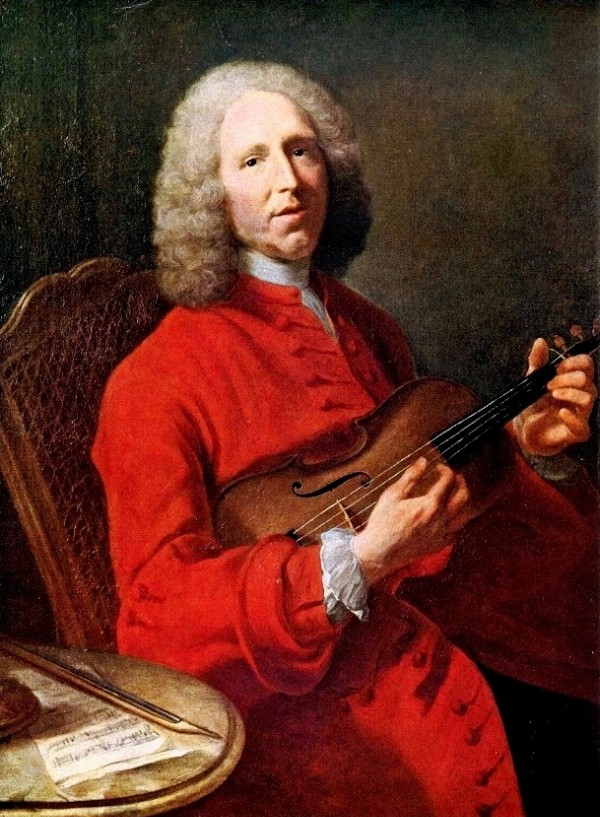
In 1912, Claude Debussy bowed reverently to a long-forgotten predecessor: “Rameau is, whether we want to admit it or not, one of the most solid foundations of music, and one can advance without fear on the beautiful path he traced.”
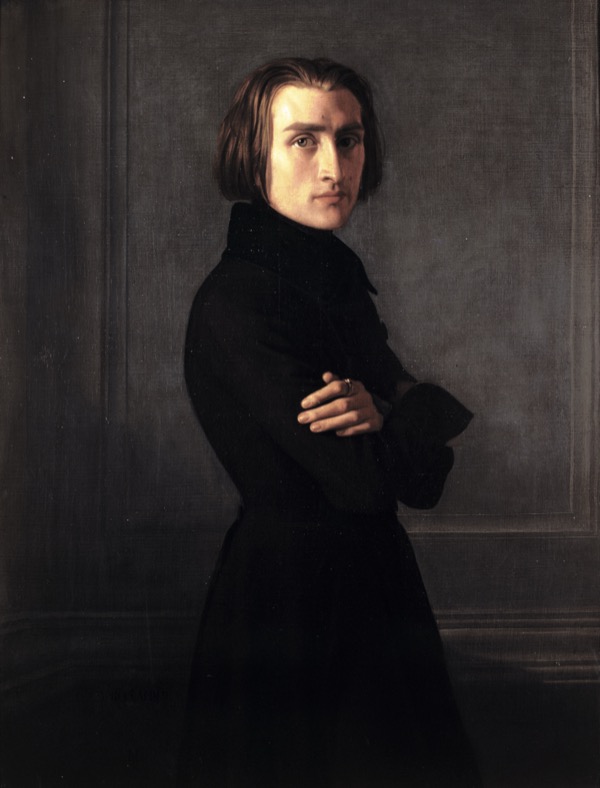
Few composers in classical music history are as shrouded in mythology as Franz Liszt. He is the ultimate nineteenth-century showman: a dazzling virtuoso whose thunderous piano works are often dismissed as all flash and ego. His fame, scandalous love life,
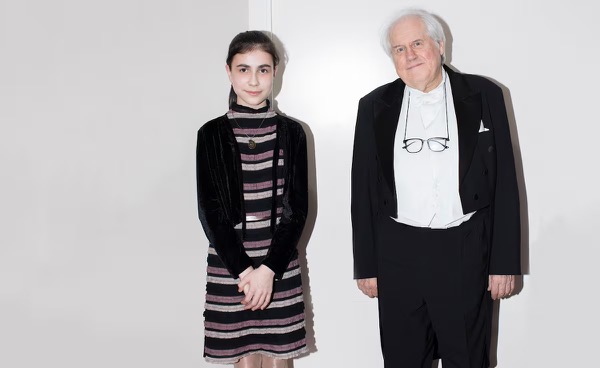
The Russian pianist Alexandra Dovgan had already collected five competition victories by the age of thirteen, receiving her technical and musical training under Mira Marchenko at Moscow’s Central Music School. Beyond prizes and accolades, Dovgan has also attracted the attention
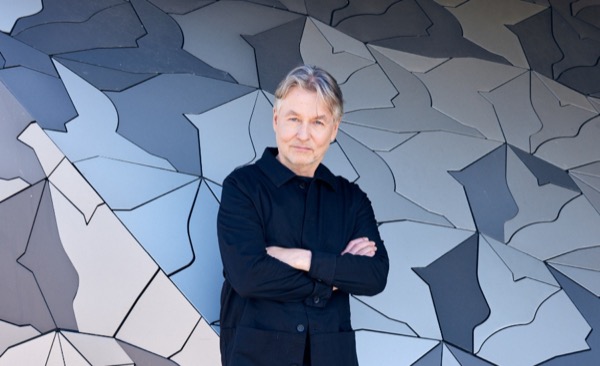
I love concertos in any shape or form, and the wonderful Finnish conductor and composer Esa-Pekka Salonen has essentially written four such compositions. It’s difficult to keep up with all his accolades and appointments, but to celebrate his birthday on
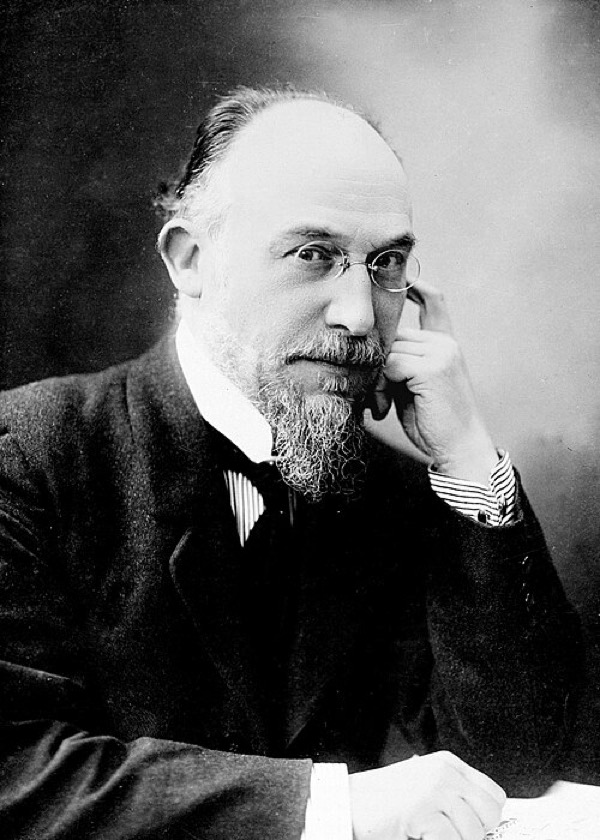
July is a month of extremes in classical music history. It gave us some of the most consequential births in the canon – among them, Janáček, Mahler, and Liszt – and also tragically claimed some of its greatest lives, including
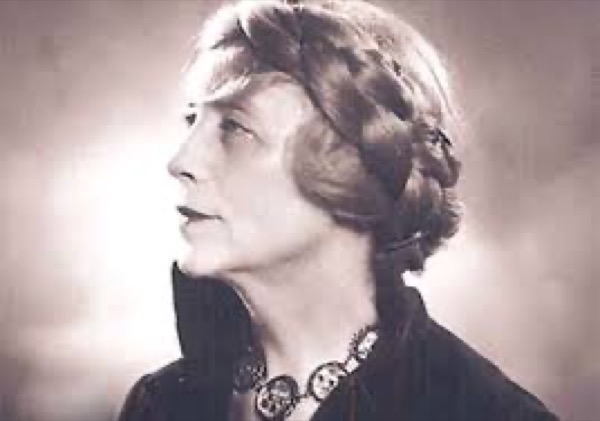
Yvonne Lefébure (1898–1986) was born on 29 June 1898 in Ermont, in the northern suburbs of Paris. At age 8, she was introduced to the French pianist Marguerite Long, who spoke with her parents about having her pursue serious musical
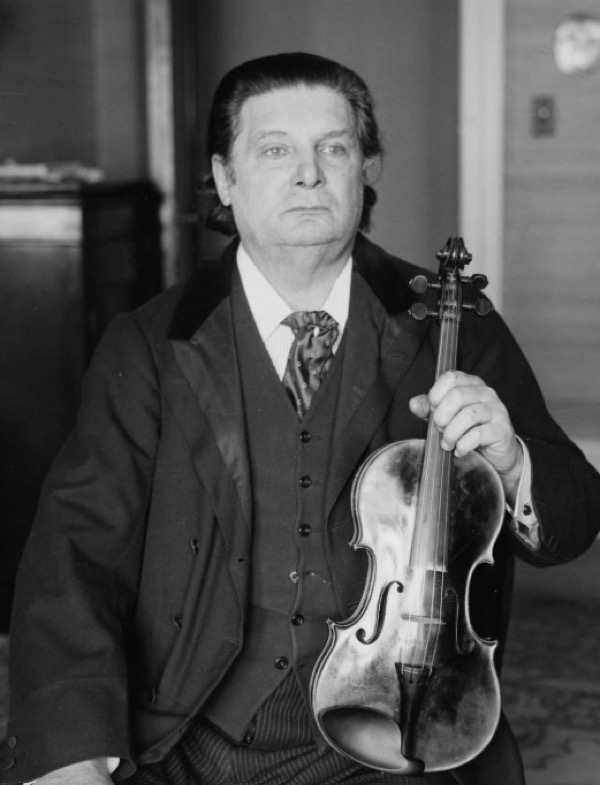
Trying to choose a single “best” violinist for each decade of the twentieth century is a fool’s errand – but an instructive one. The process is less about choosing stars and more about understanding what greatness meant in different decades,