The extraordinary career of Italian-born French pianist Aldo Ciccolini (1925-2015) spanned over six decades. A prodigious talent from a young age, he studied at the Naples Conservatory but made Paris his home in the late 1940s.
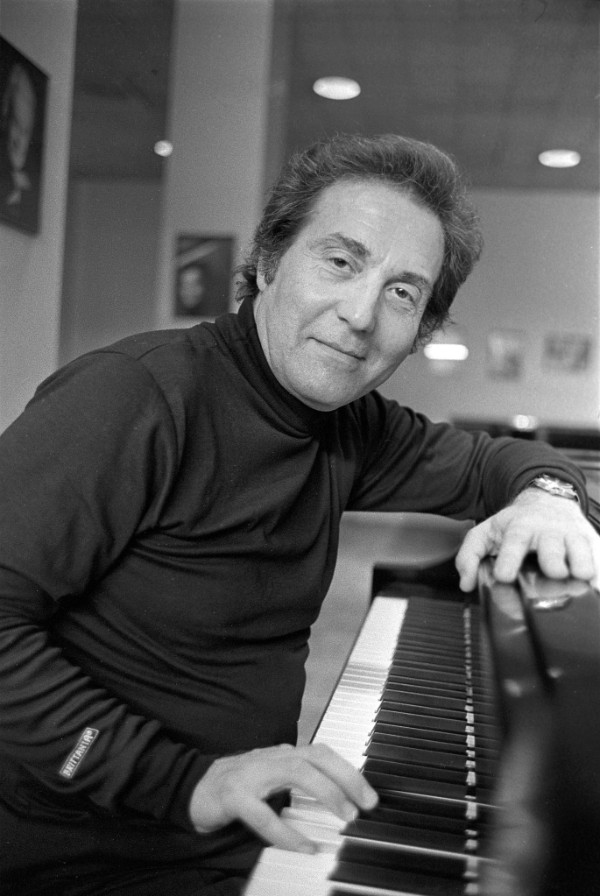
Aldo Ciccolini
Ciccolini’s artistry was defined by a rare blend of precision, sensitivity, and intellectual depth, qualities that made his performances both captivating and deeply moving. Beyond his performances, Ciccolini was a dedicated teacher, mentoring generations of pianists at the Paris Conservatoire.
With a career that included thousands of concerts and over 100 recordings, Ciccolini’s legacy endures as a testament to his lifelong devotion to the piano and the art of musical expression. To celebrate his birthday on 15 August 1925, let us sample some of his most iconic performances and recordings.
Aldo Ciccolini plays Scarlatti
Definitive Satie
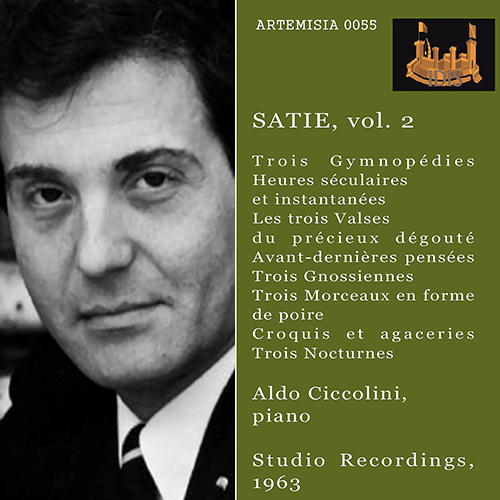
Aldo Ciccolini’s recordings of Erik Satie’s piano works in the 1960s are widely regarded as definitive and transformative, playing a pivotal role in reviving interest in Satie’s music. These recordings showcase Ciccolini’s unique ability to balance Satie’s whimsical and minimalist style with profound emotional depth.
Early reviews hailed them as revelatory, with critics noting Ciccolini’s ability to convey Satie’s “melancholy beneath the whimsy.” His articulation is pristine, with each note rendered with crystalline precision. Ciccolini’s controlled dynamics and subtle pedalling create a delicate balance, allowing the music’s modal harmonies to resonate without overpowering the simplicity of the writing.
Ciccolini’s interpretations of Satie’s piano works are a triumph of artistic insight, revealing the emotional and intellectual depth beneath the composer’s deceptively simple surface.
His ability to “tell a story” uncovers a lyrical narrative that elevates Satie beyond mere eccentricity.
Erik Satie: 3 Gymnopédies (Aldo Ciccolini, piano)
Poetic Debussy
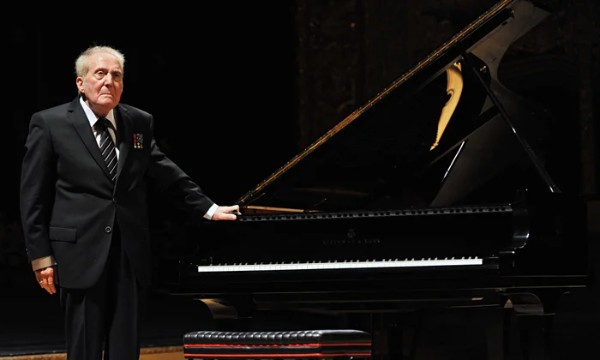
Aldo Ciccolini
Aldo Ciccolini’s Debussy recordings exemplify his technical brilliance in navigating the intricate textures and delicate nuances of the composer’s style. His performances, recorded in multiple cycles from the 1960s to the 1990s, demonstrate an extraordinary command of tonal colour and dynamic control.
The EMI cycles from the 1960s garnered widespread acclaim for their clarity, refinement, and deep understanding of Debussy’s impressionistic idiom. Praised for their “luminous transparency,” critics noted his “pinpoint articulation and delicate dynamic shading that brought out the music’s evocative imagery without ever veering into affectation.”
Ciccolini’s interpretations of Debussy are a masterclass in poetic sensitivity, capturing the composer’s evocative imagery with profound insight and depth. His ability to balance clarity with expressiveness is particularly striking in Estampes, evoking an exotic delicacy through his nuanced phrasing and dynamic restraint.
Claude Debussy: Estampes (Aldo Ciccolini, piano)
Regional Séverac
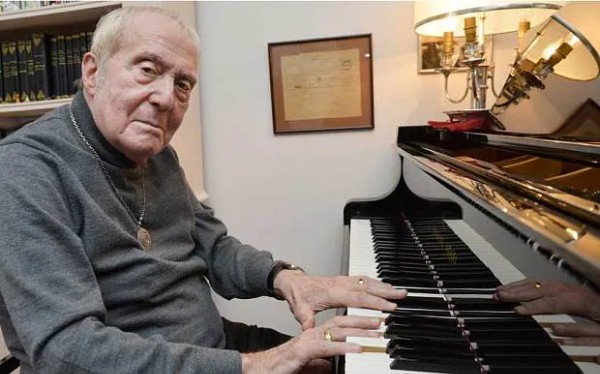
Aldo Ciccolini
Aldo Ciccolini had a distinct fascination with neglected repertoire, championing piano works by Satie, Rossini, Salieri, Massenet, De Falla and the practically unknown Déodat de Séverac. His 1974 recordings for EMI bring out the vivid colours and regional character of Séverac’s music.
Ciccolini’s interpretations of Déodat de Séverac’s piano music are a testament to his ability to uncover the poetic and regional soul of a lesser-known French composer. His recordings reveal a deep affinity for Séverac’s celebration of the Languedoc region, infusing each piece with a warm Mediterranean lyricism that feels both intimate and expansive.
By championing Séverac’s works, Ciccolini not only brought them to wider attention but also revealed their sophisticated charm, positioning them as vital contributions to the French piano repertoire with a timeless and evocative allure.
Déodat de Sévérac: En Vacances, Vol. 1 (Aldo Ciccolini, piano)
Refined Chopin
The Chopin recordings by Aldo Ciccolini received widespread praise for their lyrical sensitivity and refined artistry. Gramophone praised his “luminous touch and unforced expressiveness,” describing it as “a delicate reverie, with each phrase shaped like a whispered story.”
Ciccolini balances Chopin’s emotional intensity with structural clarity, with rhythmic vitality and subtle rubato bringing out the character without sacrificing refinement. Although some reviewers suggest that his deliberate tempos occasionally feel “overly introspective,” the Chopin recordings are nevertheless celebrated for their storytelling quality and technical finesse.
Aldo Ciccolini’s artistry stands as a beacon of poetic elegance and technical mastery. His interpretations reveal his unique ability to balance clarity with expressiveness, uncovering the narrative heart of each piece while honouring its structural integrity. His legacy reminds us of the power of artistry to bridge the intellectual and the emotional in a singular, transcendent voice.
For more of the best in classical music, sign up for our E-Newsletter