Gustav Mahler (1860–1911) was born in Bohemia (then part of the Austro-Hungarian Empire) and became one of the leading composers and conductors in late 19th-century Vienna. As a composer, he struggled to get his works recognised and performed. As a conductor, he appeared at the leading European opera houses and was appointed director of the Vienna Court opera in 1897, holding that position until 1907.
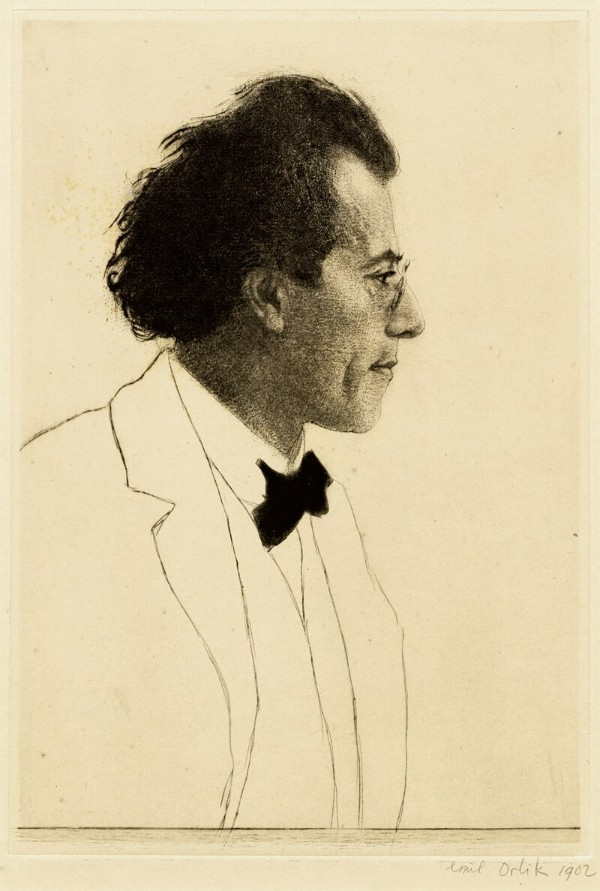
Emil Orlik: Gustav Mahler, 1902 (Galerie Bassenge)
In his decade in Vienna, Mahler brought 33 new operas to the house, and 55 old productions were updated or completely revised. Driven out by the anti-Semitic elements in Vienna (although he had converted to Christianity many years earlier), he went to New York to conduct both the Metropolitan Opera and, later, the New York Philharmonic. He made his New York debut on 1 January 1908. He first worked with the Metropolitan Opera and conducted the New York Symphony Orchestra. He preferred orchestral work and so resigned from the Met Opera in early 1910. As conductor of the New York Philharmonic, he was able to bring his own symphonies to the platform, but they were not initially successful. Symphony No. 1 was given its American premiere in the 1909–1910 season, but it was not well-received. He continued to conduct the Philharmonic, but in the 1910–1911 season, and his last concert was given at Carnegie Hall on 21 February 1911. A heart infection brought him down, and he returned to Europe for treatment but died at age 50 in a sanatorium in Vienna.
Symphony No. 1 in D major, Titan, was not performed again at the Philharmonic until 1920, but has appeared regularly since then.
Gustav Mahler: Symphony No. 1 in D Major “Titan” – IV. Stürmisch bewegt – Energisch
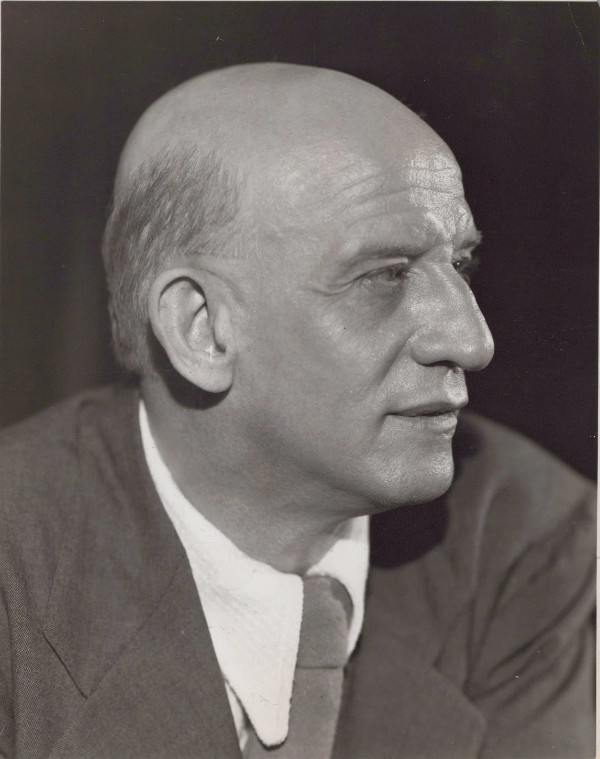
Dimitri Mitropoulos
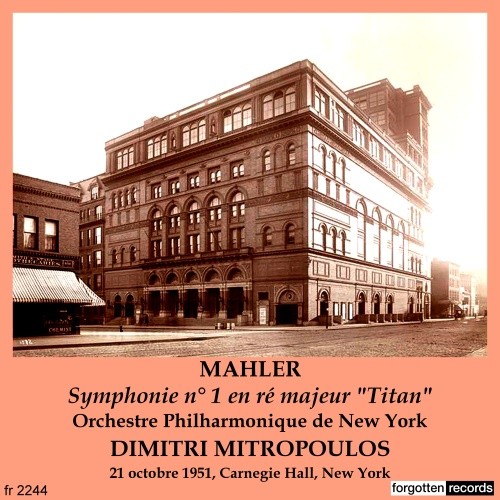
This 1951 recording was made for radio in a broadcast from Carnegie Hall, New York, with Dimitri Mitropoulos leading the New York Philharmonic.
Athens-born Dimitri Mitropoulos (1896–1960) was musical from childhood, staging musical gatherings at home from age 11 and writing his first pieces of music. His first opera was staged when he was 23. After studying at the Athens Conservatory and in Brussels and Berlin, he was an assistant to Erich Kleiber at the Berlin State Opera. He was principal conductor of the Minneapolis Symphony Orchestra from 1937 to 1949 and moved to America in 1946. In 1949, he started working with the New York Philharmonic, becoming co-conductor with Leopold Stokowski and then sole music director in 1951. He changed the direction of the Philharmonic, making them more involved in commissioning new works and championing the music of Gustav Mahler. In 1958, his protégé, Leonard Bernstein, succeeded him at the Philharmonic. From 1954 to his death in 1960, he was also the principal conductor of the Metropolitan Opera.
Mitropoulos first conducted the Symphony in 1941 with the Philharmonic, again in 1951 (this recording) and for the last time in 1960, all as part of the regular season.
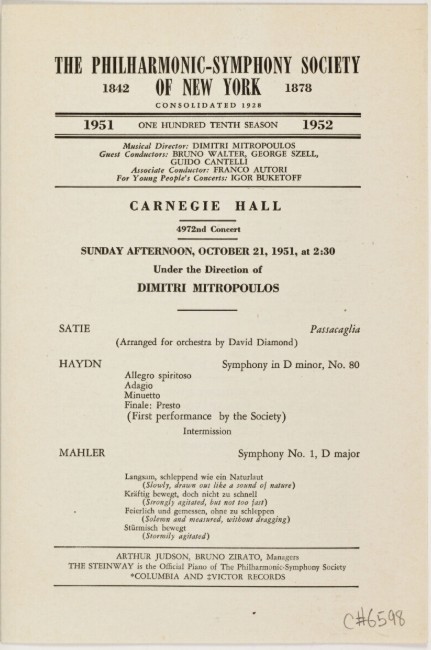
The Philharmonic-Symphony Concert Program for 21 October 1951 (New York Philharmonic Archives)
Performed by
Dimitri Mitropoulos
New York Philharmonic
Recorded in
1951
Official Website
For more of the best in classical music, sign up for our E-Newsletter