Born on 25 December, Sonya Yoncheva carries into her artistry a sense of occasion that feels almost symbolic. A Christmas birthday invites ideas of arrival, renewal, and intensity, and these qualities resonate deeply with the kind of artist she has become.
Yoncheva is not a singer who seeks comfort or predictability as her career has unfolded through bold choices, emotional exposure, and a refusal to treat opera as a safe inheritance.
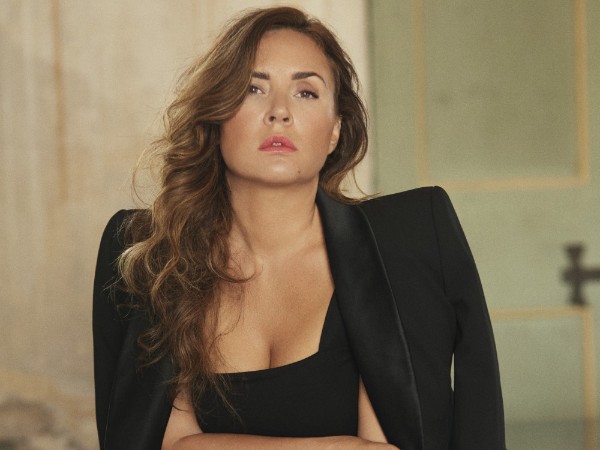
Sonya Yoncheva © Victor Santiago
On a day associated with light in the darkest season, let’s explore how Yoncheva reclaimed opera as a high-stakes art form. She sings not to demonstrate mastery, but to explore what happens when voice, body, and psyche are placed in genuine tension.
Sonya Yoncheva sings Puccini: Tosca, “Vissi d’arte”
Beyond Brand, Beyond Comfort
Opera has never been an art form for the cautious. Its greatest moments are born at the edge of excess. Yet in an era increasingly shaped by vocal management, brand consistency, and repertoire safety, genuine artistic risk has become rarer.
Against this backdrop, Sonya Yoncheva stands out not simply as a soprano of remarkable gifts but as an artist who treats risk itself as an ethical necessity. Her career is defined not by strategic containment, but by a sustained willingness to inhabit roles that are vocally exposed, psychologically raw, and emotionally dangerous.
Above all, Yoncheva does not approach opera as a museum of perfected artefacts. She approaches it as a living theatre of human extremity. Again and again, she chooses roles that place the voice under pressure and the performer under scrutiny.
Sonya Yoncheva sings “Zableiano me agunce”
Roles that Refuse Comfort
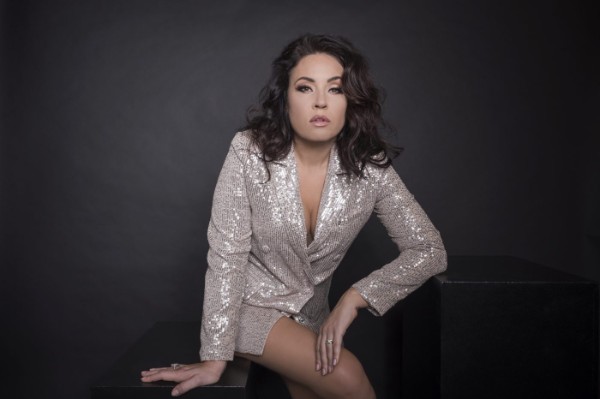
Sonya Yoncheva
When critics speak of “dangerous roles,” they often mean parts that sit awkwardly in the voice. Like tessituras that refuse comfort, orchestration that leaves little room for concealment, or dramatic arcs that demand sustained intensity.
Yoncheva’s repertoire contains many such roles, just think of Norma, Tosca, Violetta, Anna Bolena, Médée, or Desdemona. Each of them is vocally notoriously difficult, and the same goes for the psychological exposure they demand.
Norma requires a voice that can float in prayer-like purity and summon volcanic authority. Tosca demands lyrical intimacy one moment and theatrical ferocity the next. Violetta is stripped bare over three acts, moving from glittering artifice to physical collapse. These are roles that punish superficiality and expose any distance between voice and character.
Sonya Yoncheva sings Bellini: Norma, “Casta diva”
Drawn to Instability
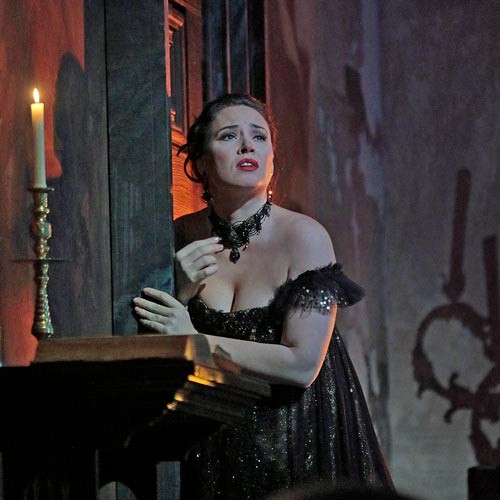
Sonya Yoncheva
Yoncheva does not mitigate this danger by smoothing over edges. On the contrary, she seems drawn to the very instability these roles generate. Her singing often carries a sense of vulnerability, not really fragility, but risk.
It is tempting to view Yoncheva’s embrace of risk as a late development, coinciding with her move into heavier repertoire. However, it is embedded in her artistic formation. Her early immersion in Baroque and early music cultivated an intense awareness of text, rhetoric, and expressive nuance. There is no hiding behind volume or lush orchestration, as meaning must be articulated with precision.
This training fostered a relationship to singing that values intention over safety. When Yoncheva transitioned into Romantic and Verismo roles, she did not abandon this ethos. Instead, she applied it to repertoire where the stakes are higher and the consequences more visible.
Claudio Monteverdi: L’incoronazione di Poppea, SV 308: Oblivion soave (Sonya Yoncheva, soprano; Cappella Mediterranea, Ensemble; Leonardo García Alarcón, cond.)
When Truth Matters
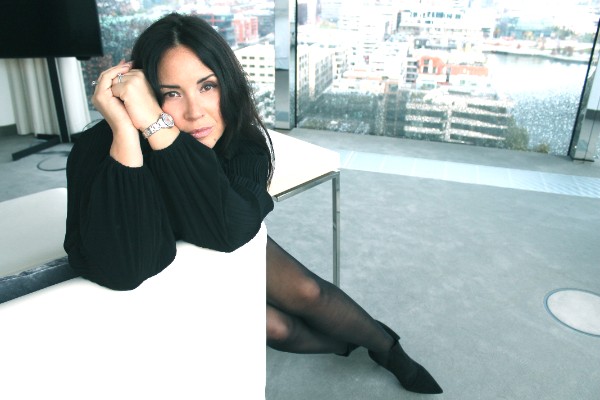
Sonya Yoncheva
The result is a style of singing that prioritises expressive truth over sonic perfection.
Where some singers approach dramatic roles as monuments to be preserved, Yoncheva approaches them as moral situations to be entered.
One of the most striking aspects of Yoncheva’s artistry is her refusal to protect herself psychologically. Many singers maintain a buffer between their personal selves and their characters, particularly in roles involving trauma, obsession, or moral collapse.
Her portrayals often emphasise contradiction rather than coherence. Her Tosca is not consistently heroic, her Norma is not consistently authoritative, her Violetta is not consistently fragile. Instead, these characters are unstable, reactive, and painfully human.
Sonya Yoncheva sings Puccini: “Si, mi chiamano”
Against Reassurance
Audiences accustomed to polished archetypes may find such portrayals unsettling. Yoncheva accepts this discomfort as part of the artistic contract. For her, opera is not a vehicle for reassurance, but a space where uncertainty is allowed to speak.
Underlying Yoncheva’s artistic choices is a sense of responsibility, to the composers, the characters, and to the emotional seriousness of opera itself.
Her willingness to risk vocal comfort and emotional safety suggests a belief that art should not insulate us from intensity, but guide us through it. In this sense, risk becomes not recklessness, but represents truth embedded in music.
For more of the best in classical music, sign up for our E-Newsletter