Sir Stephen Hough, born on 22 November 1961, is widely celebrated as a virtuoso pianist and composer, but he is equally distinguished as a thoughtful and prolific writer. His literary output spans theology, memoirs, fiction, and essays that reflect the intellectual breadth and emotional depth of an artist often described as a “living polymath.”
Hough’s life straddles multiple identities. Born in Heswall, England, and later becoming an Australian citizen, he has forged a global career not only in performance but also in literature.
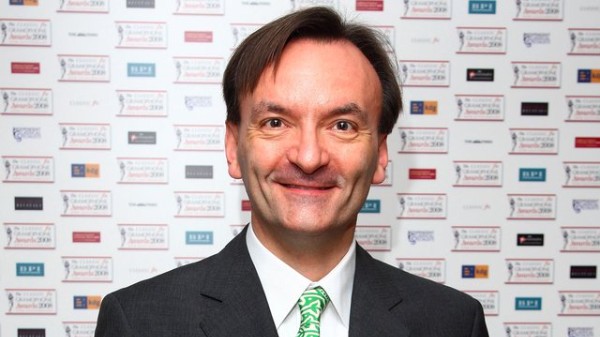
Sir Stephen Hough
While his extraordinary achievements as a pianist are often foregrounded, his role as a writer is no less central to his public persona. As we celebrate his birthday on 22 November, let’s explore a writer who invites us not just to listen, but to think, feel, and question.
Stephen Hough plays Chopin: Nocturne Op. 9, No. 2
A Literary Journey
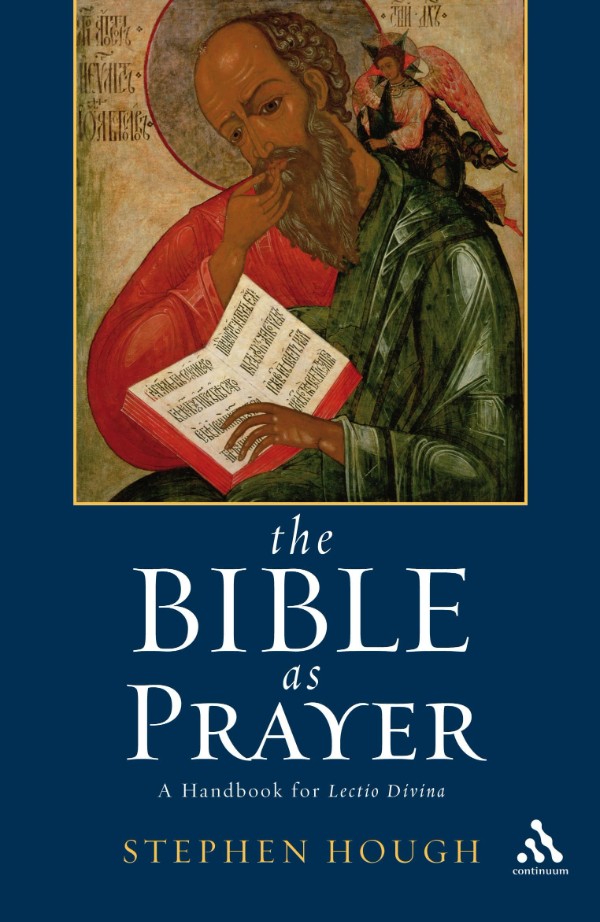
The Bible as Prayer: A Handbook for Lectio Divina
Stephen Hough has published a number of major books, including The Bible as Prayer: A Handbook for Lectio Divina in 2007. It is a spiritual and practical guide, revealing his deep engagement with Christian theology. It also reflects on his homosexuality and his 15 years of celibacy following his Catholic conversion.
Nosing Around was issued in 2014 and provides a shorter and more intimate take on his interests, including perfume and sensory experience.
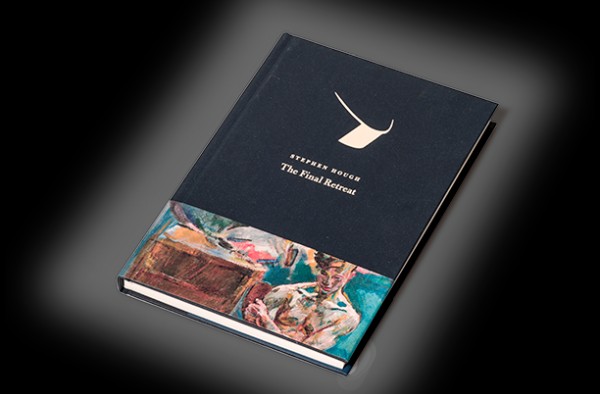
The Final Retreat
Stephen Hough published his first novel, The Final Retreat, with Sylph Editions in 2018.
It is an unsettling novella that probes the psychological and spiritual unravelling of a Catholic priest consumed by sex addiction and corrosive self-loathing.
Stephen Hough plays Bach/Gounod: Méditation
Rough Ideas to Early Memories
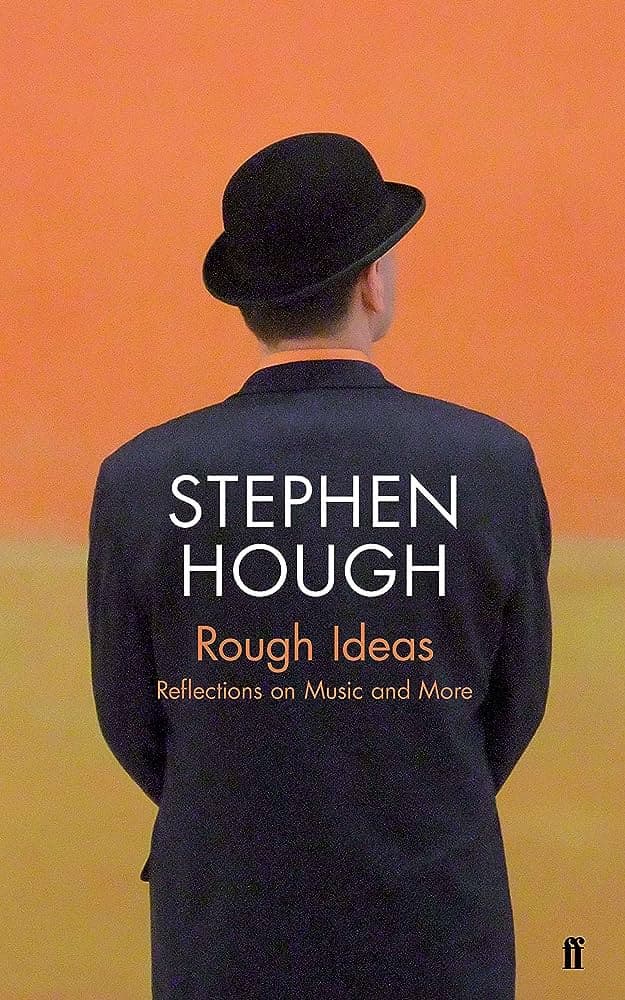
Rough Ideas: Reflections on Music and More
Rough Ideas: Reflections on Music and More was issued in 2019, and it contains a collection of essays traversing music, life on the road, faith, and morality. Moving between performance practice, faith, literature, and the quirks of everyday life, Hough reveals an intensely disciplined and delightfully curious mind. It won the Royal Philharmonic Society Award in the Storytelling category in 2020.
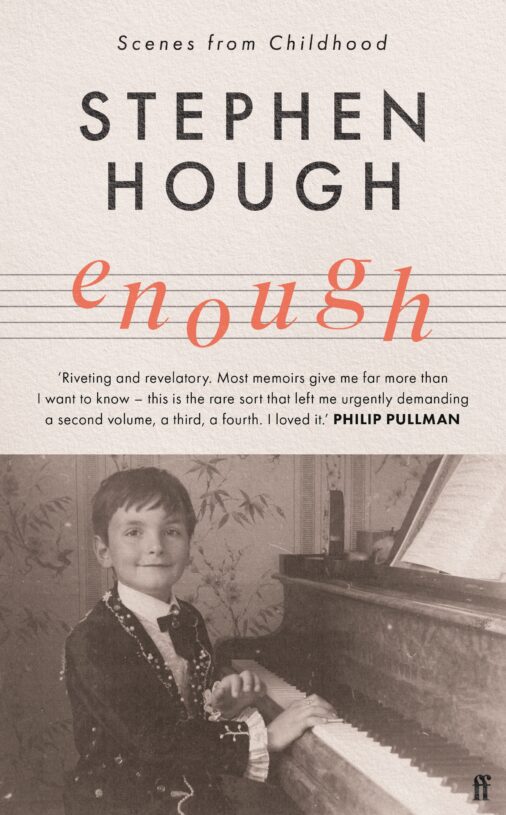
Enough: Scenes from Childhood
Enough: Scenes from Childhood was issued in 2023, and it presents a deeply honest and lyrical memoir of the first 21 years of his life. Rather than a conventional musical autobiography, it unfolds as a series of emotionally resonant vignettes.
The book is a snapshot of his growing up in an unmusical home in Cheshire and plenty of familial eccentricity. Hough writes with candour about his teenage breakdown, the tension between religious yearning and emerging sexuality, and his oscillation between faith and piano.
Ultimately, he abandons thoughts of the priesthood to return to the piano, gaining admission to the Royal Northern College of Music, then to Juilliard, and the memoir concludes just as his professional career begins to take flight.
Stephen Hough: Piano Sonata No. 4, “Vida breve” (Stephen Hough, piano)
Between Devotion, Doubt, and Discipline
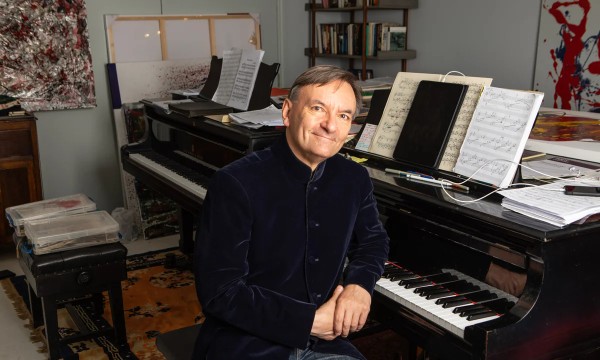
Sir Stephen Hough
Literary and Musical Scholars have identified two interlocking themes that dominate the writings of Stephen Hough, namely, the ideas of spiritual introspection and the life of a musician. In his writings, he weaves them together with a combination of clarity and candour. His reflections on faith are never abstract theological musings, but searching encounters with doubt, desire, and conscience.
In his constant negotiation between discipline and vulnerability, Hough approached spirituality as a landscape of paradoxes. As a reviewer wrote, “Hough’s prose is marked by a willingness to expose uncertainty, exploring the quiet anxieties beneath ritual.”
Hough strongly believes that guilt, beauty, and longing can coexist, and he asserts “the sense that every aesthetic judgement or personal memory is part of a deeper examination of what it means to be fully human.”
Stephen Hough: Londinium Magnificat and Nunc Dimittis – Londinium Magnificat (James Orford, organ; choir London Choral Sinfonia; Michael Waldron, cond.)
Performance and Transcendence
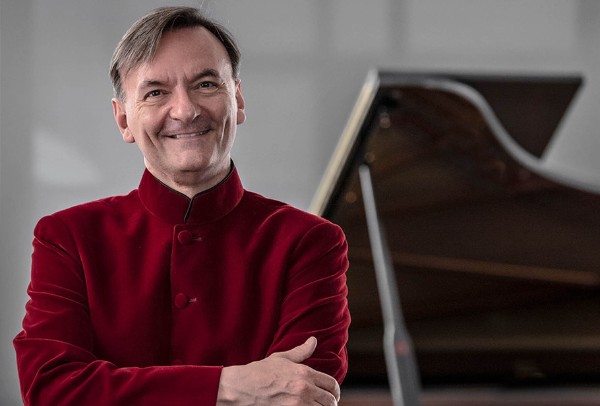
Sir Stephen Hough
Alongside his writings on spirituality, we find Hough’s rich contemplation of musical life. He is not only a virtuoso pianist and composer but also a thinker preoccupied with how music shapes the mind and the body.
Hough writes about practising, performing, listening, and composing with the insight of someone who “understands music both as craft and as metaphysics.” His essays scrutinise the psychology of performance and the disciplined habits that sustain artistry.
He also describes moments of transcendence that emerge in concert halls, and the peculiar solitude that accompanies a life spent travelling from stage to stage. He completely avoids romanticising the profession; however, he is attentive to the idiosyncrasies and comic frustrations of his profession.
Stephen Hough plays Liszt
Sound, Silence, and the Self
The themes of spirituality and music continually illuminate one another. Music becomes a form of prayer, and prayer becomes a mode of listening.
Both aspects become ways of thinking about the self. Perpetually intertwining, Hough offers a portrait of an artist whose inner life is inseparable from his artistic life. In essence, Stephen Hough is much more than a virtuoso pianist or composer.
In an era when specialisation often reigns, Hough stands as a model of interdisciplinary artistry. According to critics, “he is a man who lives at the intersection of sound and silence, devotion and doubt, and public performance and private reflection.”
For more of the best in classical music, sign up for our E-Newsletter