On the first Friday in October, the world comes together to celebrate World Smile Day. It is a global occasion dedicated to spreading happiness, kindness, and the simple yet profound act of smiling.
In 2025, as we mark this heartwarming day on October 3, we are reminded of the universal power of a smile to transcend borders, cultures, and languages. Isn’t it amazing how this seemingly small gesture holds such immense potential to transform lives and foster human connection in an often divided world?
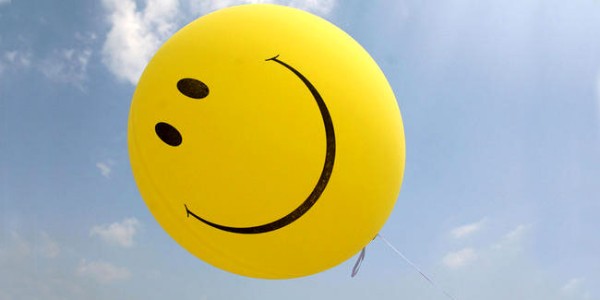
A smile, they say, is contagious, and the world needs it now more than ever. And honestly, music is probably the best way to make people smile!
Gioachino Rossini: The Barber of Seville, “Overture”
From Simple Smiley to Global Celebration
World Smile Day traces its roots to a surprisingly humble source, the iconic smiley face. In 1963, Harvey Ball, a commercial artist from Worcester, Massachusetts, created the now-ubiquitous yellow smiley face for a morale-boosting campaign commissioned by an insurance company.
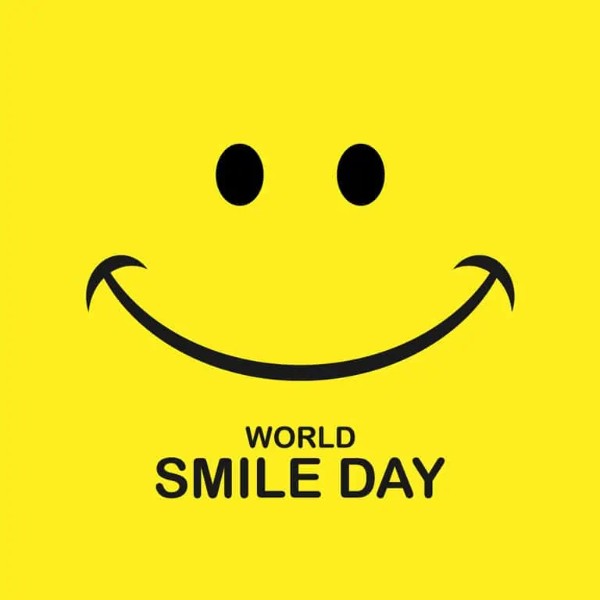
The simple design featuring two black dots for eyes and a curved line for a mouth, set against a bright yellow circle, became an instant symbol of optimism and goodwill. However, as the smiley face grew into a global phenomenon, Ball grew concerned that its deeper meaning was being lost.
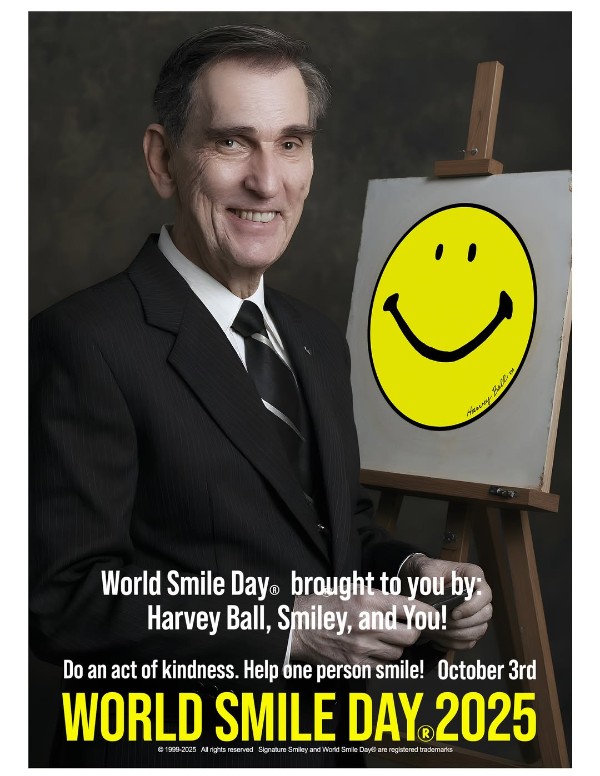
In 1999, Harvey Ball founded World Smile Day to reclaim the spirit of his creation. His vision was to dedicate a day to encouraging acts of kindness and spreading smiles, reminding people that a smile is more than a facial expression.
Joseph Haydn: Symphony No. 94 in G Major (Surprise) “Andante”
Why Smiling Feels So Good
Did you know that there is some proper science behind the power of a smile? When we smile, our brains release a cocktail of feel-good chemicals, including dopamine, serotonin, and endorphins.
These neurotransmitters not only elevate our mood but also reduce stress and anxiety. Remarkably, this effect occurs whether the smile is genuine or forced. In other words, even on our toughest day, the act of smiling can trick our brains into feeling happier.
Moreover, smiles are contagious. A study found that seeing someone smile activates mirror neurons in the observer’s brain, prompting them to smile as well. This creates a ripple effect, like a chain reaction, where one smile can spark countless others.
Jacques Offenbach: Orpheus in the Underworld, “Overture-Cancan”
A Universal Connection
Smiling is a universal human expression, but its meaning varies across cultures. In many Western societies, a smile is often associated with friendliness, openness, or a sense of amusement. In contrast, some Eastern cultures may interpret excessive smiling as a sign of discomfort or insincerity.
Despite these nuances, the smile remains a powerful tool for connection, bridging communication gaps where words may fail.
World Smile Day celebrates this universality while embracing cultural diversity. It encourages people to share smiles in ways that resonate with their communities. As such, the day fosters mutual understanding that reminds us that we all seek joy and connection.
Antonio Vivaldi: Concerto for 2 Mandolines in G Major
One Smile at a Time
In 2025, the world continues to grapple with challenges, including economic uncertainty, social division, and global conflicts. Against this backdrop, World Smile Day takes on added significance.
A smile may seem like a small gesture, but it carries immense power to heal and unite. In moments of tension, a smile can defuse conflict, signal empathy, or offer reassurance. In times of sorrow, it can convey solidarity and hope.
By dedicating a day to smiling, we reaffirm our shared humanity and commit to building a kinder, more compassionate world.
In a world that often feels fragmented, World Smile Day reminds us that we all have the power to make a difference, one smile at a time. The beauty of a smile lies in its simplicity and universality. It requires no words, no wealth, and no special skills, only a willingness to share a moment of warmth with another human being.
For more of the best in classical music, sign up for our E-Newsletter