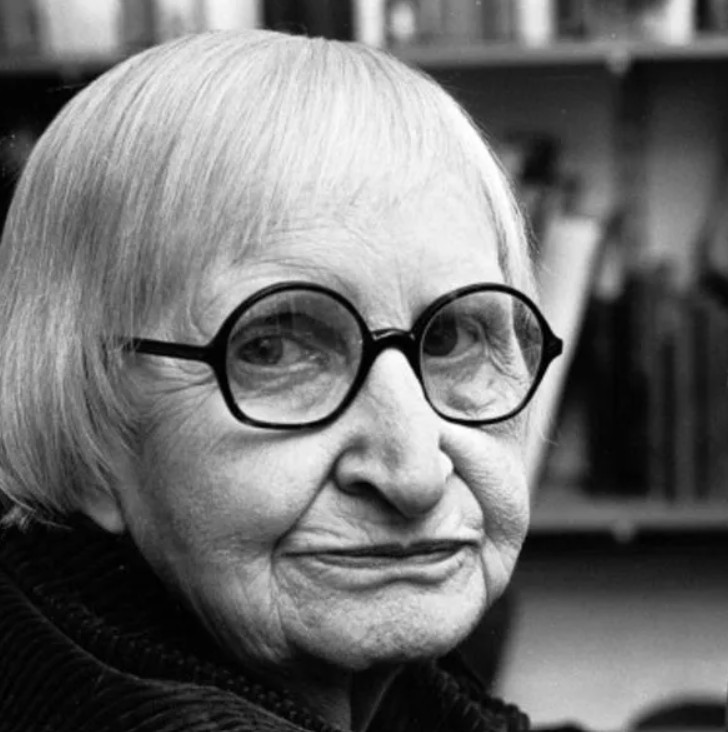
“All these years, I’ve been trying to convince people that music is not there to please them; it’s there to disturb them.” Pierre Boulez, composer and conductor
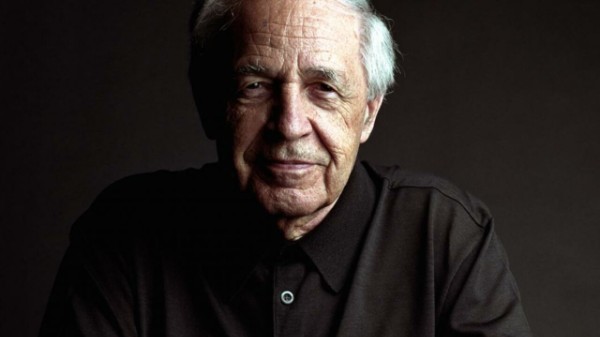
Pierre Boulez
A powerful quote, capturing Pierre Boulez’s radical philosophy towards art and sound. He was pushing back against the idea of music as mere entertainment or comfort. For him, music was meant to provoke thought, challenge perception, and disrupt complacency. He believed that art should redefine boundaries rather than reinforce them – a view reflected in his own music, which often used complex structures, new timbres and unconventional rhythms. Music was there not to soothe, but to force listeners to engage actively, even uncomfortably, with what they were hearing.
Pierre Boulez plays Douze Notations: I. Fantasque – Modéré
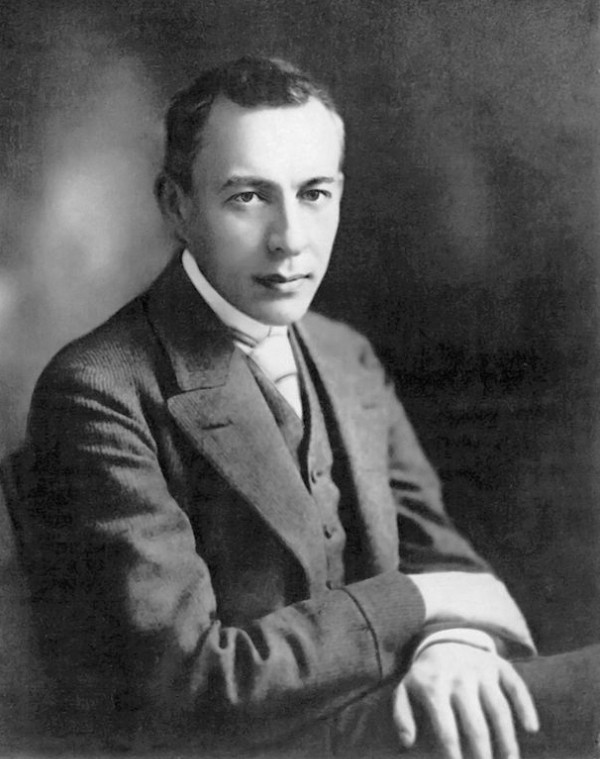
“To send light into the darkness of men’s hearts – such is the duty of the artist.” – Robert Schumann.
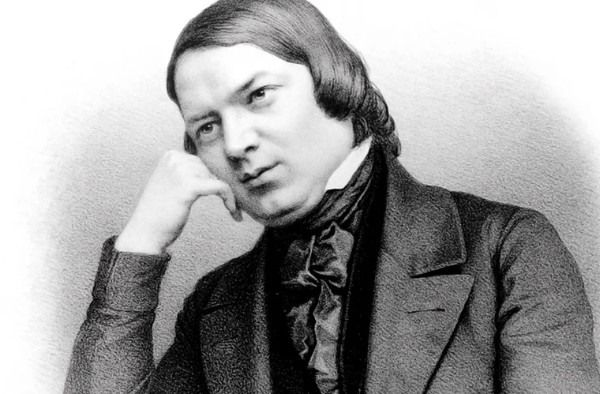
Robert Schumann
Schumann expresses the opposing view to Boulez. He recognises the power of music to soothe and heal, to bring joy (“light”) and give pleasure. Not everyone wants to be ‘disturbed’ when they listen to music. Indeed, in our strange and troubled times, music can offer comfort or a welcome distraction from the (mostly negative) churn of the 24-hour news cycle. And why do people listen to music or go to concerts if not to step away from the travails of everyday life, if only for a few hours?
Robert Schumann: Piano Concerto in A Minor, Op. 54 – II. Intermezzo: Andantino grazioso (Florian Uhlig, piano; German Radio Saarbrücken-Kaiserslautern Philharmonic Orchestra; Christoph Poppen, cond.)
Sure, music can be challenging. It can provide social commentary, illustrate history (Shostakovich’s ‘Babi Yar’ Symphony, for example), celebrate, memorialise, pay homage or mourn.
Dmitry Shostakovich: Symphony No. 13 in B-Flat Minor, Op. 113, “Babi Yar” (Alexander Vinogradov, bass; male section Royal Liverpool Philharmonic Choir; Huddersfield Choral Society; Royal Liverpool Philharmonic Orchestra; Vasily Petrenko, cond.)

Can music change the world? People believe it can, and some contemporary composers are active in writing music as a commentary on, for example, the climate crisis, politics, social justice….
Lee Kesselman: Notturno | Carolyn Enger #ResonatingEarth
Music may not change the world directly, but it is a force multiplier, rather than a force creator. It won’t end war or poverty, but it amplifies feelings, unites fragmented voices and creates shared myths and memories.
Kevin Malone: Requiem77 (version for cello) (Christian James Elliott, cello)
It can console grief, ease anxiety, uplift the spirits or celebrate joy. It can resonate deeply with emotion and aesthetic beauty rather than intellectual challenge.
Franz Schubert: Piano Trio in E-Flat Major, Op. 148, D. 897, “Notturno” (Leonard Hokanson, piano; Villa Musica Ensemble, Ensemble)

But music is also a powerful form of enjoyment – an art that enriches life through melody, rhythm, and harmony. It can also create a sense of community through shared engagement – singing in a choir, playing in a band, going to a concert with friends – and provides a means to bond and communicate with others. In this way, music reminds us of our shared humanity.
For more of the best in classical music, sign up for our E-Newsletter
Wolfgang Amadeus Mozart: Divertimento in F Major, K. 522, “Ein musikalischer Spass” (“A Musical Joke”) – IV. Presto (Jenő Keveházi, horn; Kodály Quartet, Ensemble)