
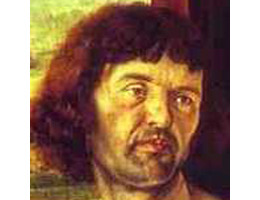
Wilhelm Furtwängler had asked Paul Hindemith to write an orchestral work for the Berlin Philharmonic’s 1933/34 season – just at the moment when Hindemith had decided to write an opera based on the famous Isenheimer Altar (now in the Unterlinden
Hindemith
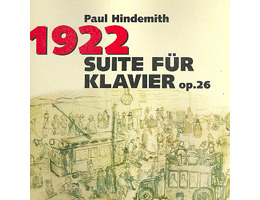
Composed in January and February 1920, Paul Hindemith’s third string quartet was described as “brimming with youthful energy…a thrilling, musical event, real ‘new’ music. Here everything is comprehensible and concrete.” First performed at the Donaueschingen Chamber Music Performances in 1921,
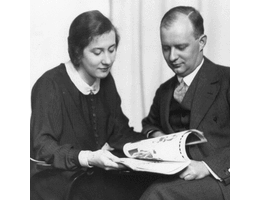
Paul Hindemith: String Quartet No. 3 in C major, Op. 16 The attentive and regular reader of my “In Love” column has surely come to understand that when it comes to musicians, artists and composers, love might not be the
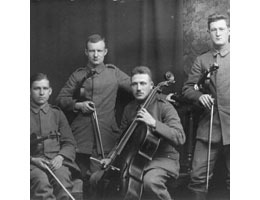
Paul Hindemith was a precocious musical talent. Whatever he touched, he almost instantaneously mastered. He started violin lessons at an early age and was admitted to the Frankfurt Conservatory at age 12. He soon became an accomplished performer on several