
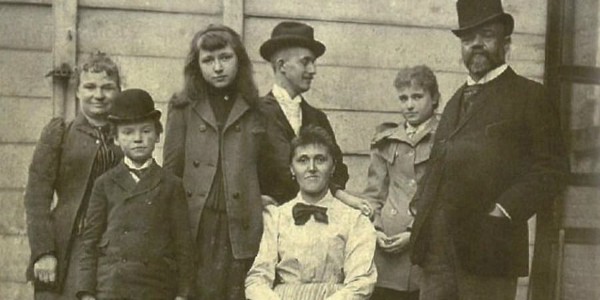
In September 1892, Antonín Dvořák arrived in America with his wife and two of his children, ready to start a new life in the New World. His American sojourn only lasted for three years, but those three years produced some
Dvorak
The authors of Interlude have frequently written about Antonín Dvořák’s Cello Concerto in B minor, with good reason. While the score presents a formidable challenge for both the virtuoso soloist and the finest conductor, its power lies not in dazzling
Did you know that Antonín Dvořák composed 14 string quartets, plus a quartet movement (B. 120) and the “Cypresses” cycle (B. 152), which includes arrangements for string quartet? Trust me, these gorgeous string quartets are like the ultimate playlist for
The great Czech composer Antonín Dvořák is not really known for his piano music. Standing in the shadows of such masters as Schumann and Brahms, Dvořák’s piano music is nevertheless a significant part of his oeuvre. His solo piano compositions
In the spring of 1892, about 6 months before he departed to lead the National Conservatory in America, Czech composer, Antonín Dvořák’s music publisher asked him to write a little ‘humoresque’. He complied with a lovely little piano piece in
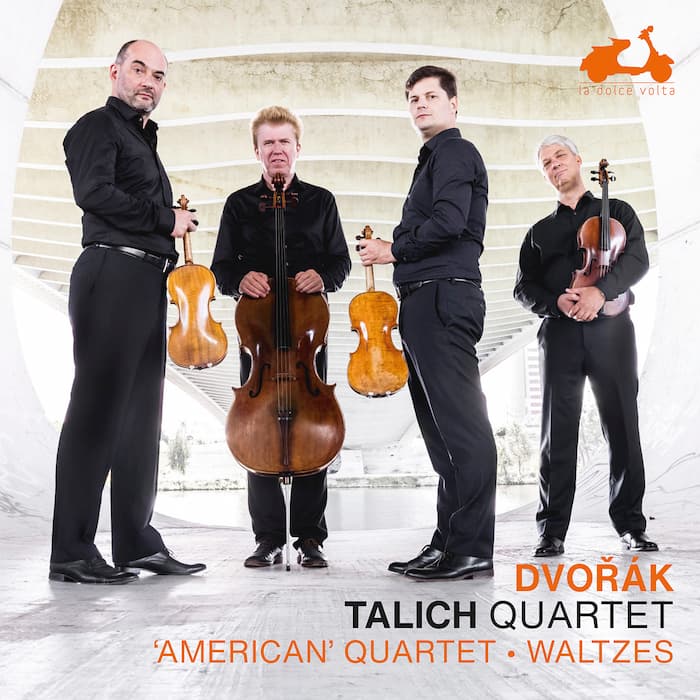
Antonín Dvořák’s time in America (1892–1895) was brief but important, not only helping him break into a more modern style but also helping American composers look inward for inspiration and not towards Europe. His String Quartet No. 12, nicknamed the
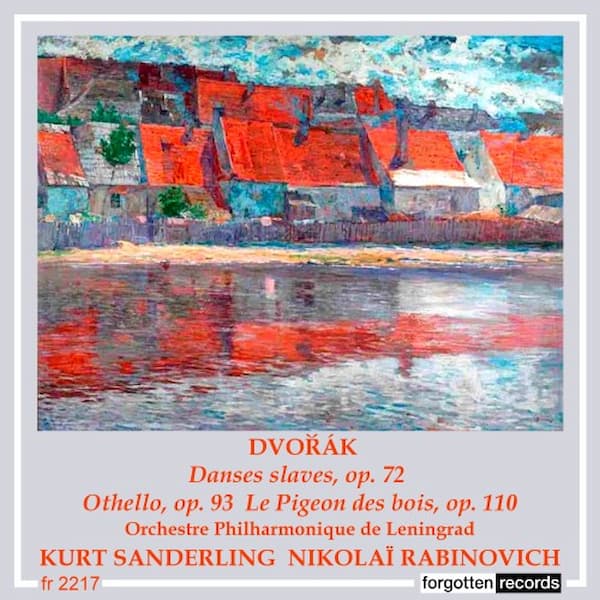
Antonín Dvořák (1841–1904) loved the poetry of Karl Jaromir Erben, particularly his collection of Czech folk ballads, The Garland, published in 1853. Starting in 1896, once he’d finished his nine symphonies and his other major orchestral works, Dvořák used the
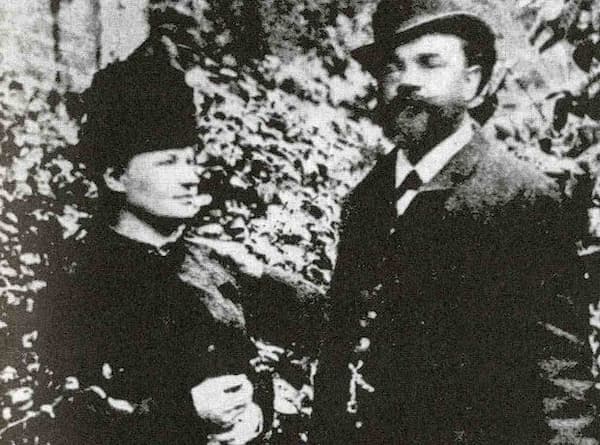
When Antonín Dvořák was a young man, he gave piano lessons to make ends meet. One of his students was a young woman named Josefína Čermáková. She was very beautiful and talented and would become one of the best-known theatre