
An old saying suggests that “art thrives in the wreckage of the heart.” That’s certainly true in the glittering and unforgiving world of opera, where voices soar like eagles and egos clash like thunder. After all, personal scandals can eclipse even the brightest arias.
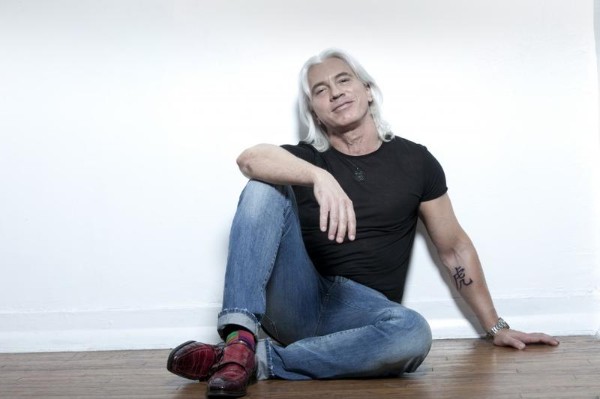
Dmitri Hvorostovsky
For Dmitri Hvorostovsky, born on 16 October 1962 in Krasnoyarsk, Russia, the year 2009 brought not applause, but the harsh glare of tabloid headlines. His high-stakes divorce from ballerina Svetlana Hvorostovskaya was far more than a footnote in his biography, as it exposed the raw underbelly of fame, sacrifice, and betrayal.
Yet, in a worthy operatic twist, this personal turmoil ignited some of Hvorostovsky’s most intense performances, as pain transformed into profound artistry.
Dmitri Hvorostovsky sings Verdi: Rigoletto, “Finale”
A Siberian Love Song
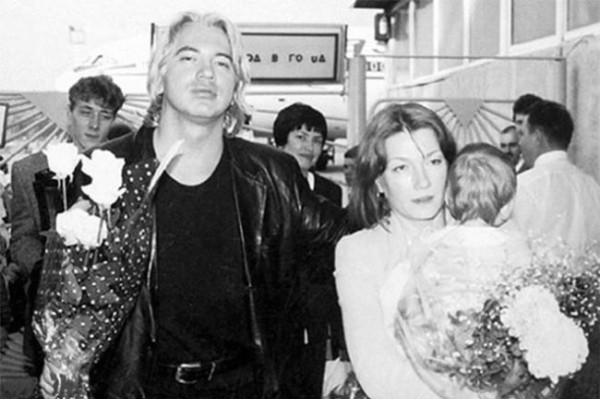
Dmitri Hvorostovsky and Svetlana Ivanova
It all started as a stark romance of Soviet-era Siberia. Krasnoyarsk was a remote industrial city gripped by permafrost and isolation. One day, the 24-year-old aspiring singer at the State Theatre first locked eyes with Svetlana Ivanova, a graceful corps de ballet dancer, two years his senior.
Svetlana was raising a young daughter from her previous marriage and still shared an apartment with her ex-husband. Undeterred, Hvorostovsky courted her relentlessly for two years, showering her with flowers and declarations.
They married in 1989, the same year he stunned the world by winning the BBC Cardiff Singer of the World competition, beating out a young Bryn Terfel and catapulting him from Siberian obscurity to global stardom.
Dmitri Hvorostovsky sings Verdi: Don Carlos, “O Carlo, ascolta”
Fairy Tale to Fallout
The union symbolised a shared ascent. Svetlana, with her promising ballet career, abandoned the stage to become Hvorostovsky’s unwavering shadow, following him to the opulent opera houses of Europe and America. In 1994, they relocated to London, settling in a spacious home in upscale Islington, where their twin children, Daniel and Alexandra, were born.
From the outside, theirs was the fairy tale of artistic lovers conquering the world. Yet beneath the glamour, Hvorostovsky descended into excess. “I could easily put away two bottles of vodka after a performance,” he later confessed, acknowledging how alcohol fuelled his arrogance and strained their bond.
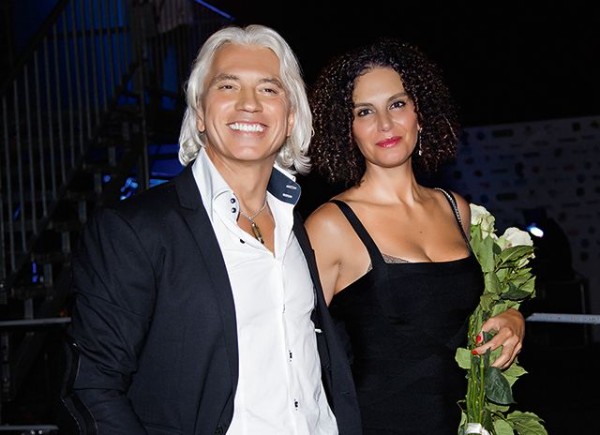
Dmitri Hvorostovsky and Florence Illi
By 1999, the marriage had fractured irreparably. The relationship broke down amid accusations of infidelity and physical assault, and the post-Soviet gossip rags painted a picture of domestic chaos. The divorce was finalised in 2001, Hvorostovsky swore off alcohol for good and swiftly remarried the soprano Florence Illi.
The Price of Fame
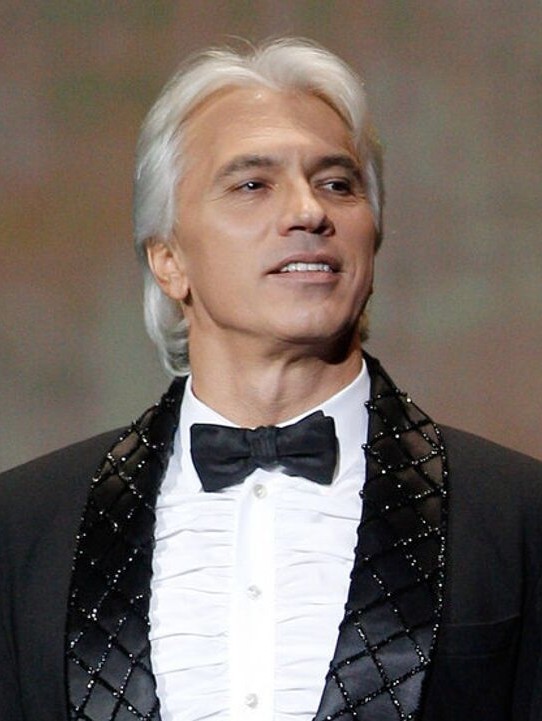
Dmitri Hvorostovsky
The divorce itself faded into the background of Hvorostovsky’s triumphant career. But as his earnings ballooned, Svetlana sought redress. She consulted lawyers in 2006, arguing that the original agreement undervalued her contributions. Payment was adjusted in 2008, but Svetlana appealed.
The frenzy peaked in July 2009 when the Court of Appeal ordered Hvorostovsky to pay an additional £25,000 annually. The Guardian dubbed it a tale of the “Elvis of opera” forced to share his fortune with a jilted ex.
Russian outlets amplified the drama, dredging up infidelity rumours and portraying Hvorostovsky as a betrayed titan, his Siberian stoicism clashing with Western legal scrutiny. The singer maintained silence, but the headlines rocked his carefully curated image, turning private wounds into public spectacle.
Dmitri Hvorostovsky sings Verdi: Il Trovatore, “Il balen del suo sorriso”
Scars on Stage
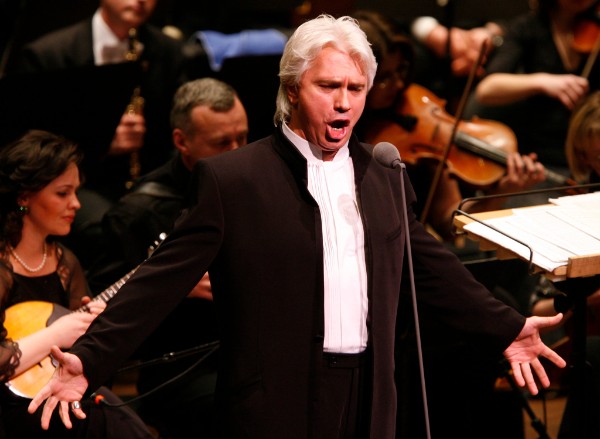
Dmitri Hvorostovsky
For Hvorostovsky, the scandal forged a deeper emotional reservoir that infused his art with unprecedented fire. Critics noted a shift post-2001. His portrayals grew rawer and more viscerally human. Nowhere was this clearer than in his Verdi obsessions, where tormented anti-heroes mirrored his own scars.
In the 2009 Il Trovatore at the Metropolitan Opera, Hvorostovsky’s Count di Luna seethed with jealous fury, his “Il balen del suo sorriso” not just sung, but felt, a lament for lost love that left audiences breathless. Reviewers praised the “barnstorming intensity,” a physicality that echoed his onstage brawls in McVicar’s production.
This alchemy peaked in Tchaikovsky’s Eugene Onegin, a role Hvorostovsky owned like no other. His 2013 Royal Opera House revival, post-scandal, captured Onegin’s disdainful seduction turning to hollow despair, the final duel with Lensky a gut-wrenching self-recrimination.
For Hvorostovsky, the divorce was no mere tabloid footnote. It was the overture to his most searing act, proving that in opera as in life, turmoil breeds transcendence. In the end, the 2009 frenzy didn’t diminish the baritone, but it humanised him. As Plácido Domingo eulogised, Hvorostovsky was “one of the greatest voices of our time,” his intensity born not just of talent, but trial.
For more of the best in classical music, sign up for our E-Newsletter





I didn’t know of him until I saw the Pearl Fishers duet with Jonas Kaufmann the great. I U tubed all his stuff and then saw him win the Cardiff comp., the start of it all. I was hooked on everything after that. His conductor pal Oblian his friendship with sumi jo, his collaboration with the marvellous Rene Fleming. His later stuff with the accordion composer, can’t remember his name, more commercial but still. This man was a gift from God. Thank god he died before he saw how his beloved Russia is now. He was a once off and a beautiful human being, what a voice and presence.
Admiro desde hace mucho tiempo a Dmitri Hvorostovsky. Su voz y su poder de seducción escénica siempre me resultaron facinantes. Pero desconocía todos los detalles de su vida que tan bien explicita esta página. Finalmente, me quedo pensado si tantos avatares de su vida no provocaran la cruel enfermadad que nos privó de su arte. Gracias por tan rico material.
Atte.
Rodolfo Augusto Nasta
Ciudad de Paraná, República Argentina