
Emil Gilels, born on 19 October 1916 in Odessa, is widely regarded as one of the greatest pianists of all time. Universally admired for his superb technical control and polished tone, his discography details his development from early impulsiveness and heaven-storming bravura to readings that are imbued with the greatest subtlety, delicacy and inner concentration.
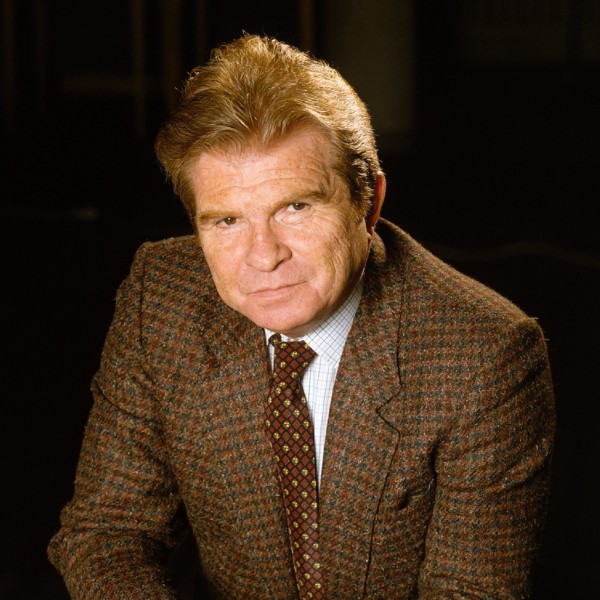
Emil Gilels
Gilels played a transformative role in championing new music by Soviet composers, most notably Sergei Prokofiev and Dmitri Shostakovich. His performances of their works, often as world premieres, not only showcased his extraordinary technical and interpretive gifts but also helped establish these compositions in the global repertoire.
On the occasion of his birthday on 19 October, let us look at Gilels’ contributions to premiering Soviet music and the impact of his performances on the global reception of these works.
Emil Gilels plays Prokofiev: Toccata in D minor, Op. 11
Crafting a Global Stage
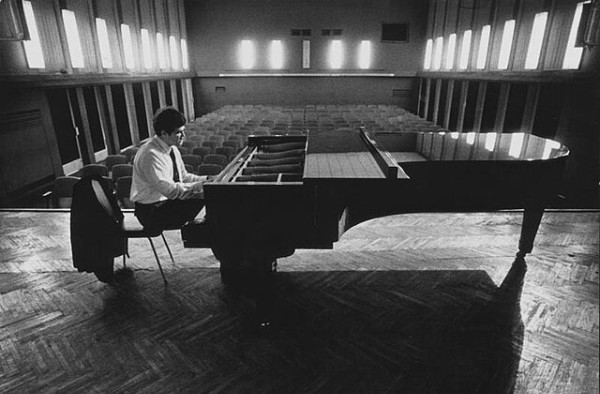
Emil Gilels
Emil Gilels rose to prominence in the Soviet Union’s highly competitive musical landscape. Trained under Heinrich Neuhaus at the Moscow Conservatory, he developed a style that combined technical precision with profound lyricism, making him an ideal interpreter for the complex and emotionally charged music of his time.
By the 1930s, Gilels had become a cultural ambassador for the Soviet Union, with his 1933 victory at the All-Union Piano Competition marking him as a prodigy. The Soviet regime, eager to project artistic supremacy during the Cold War, supported musicians like Gilels, who could perform both within the USSR and on international stages.
This context positioned him to play a crucial role in promoting new Soviet music, particularly by Prokofiev and Shostakovich, whose works often pushed the boundaries of socialist realism while navigating the regime’s ideological constraints.
Emil Gilels plays Prokofiev: Prelude in C Major, Op. 12, No. 7
War Sonatas
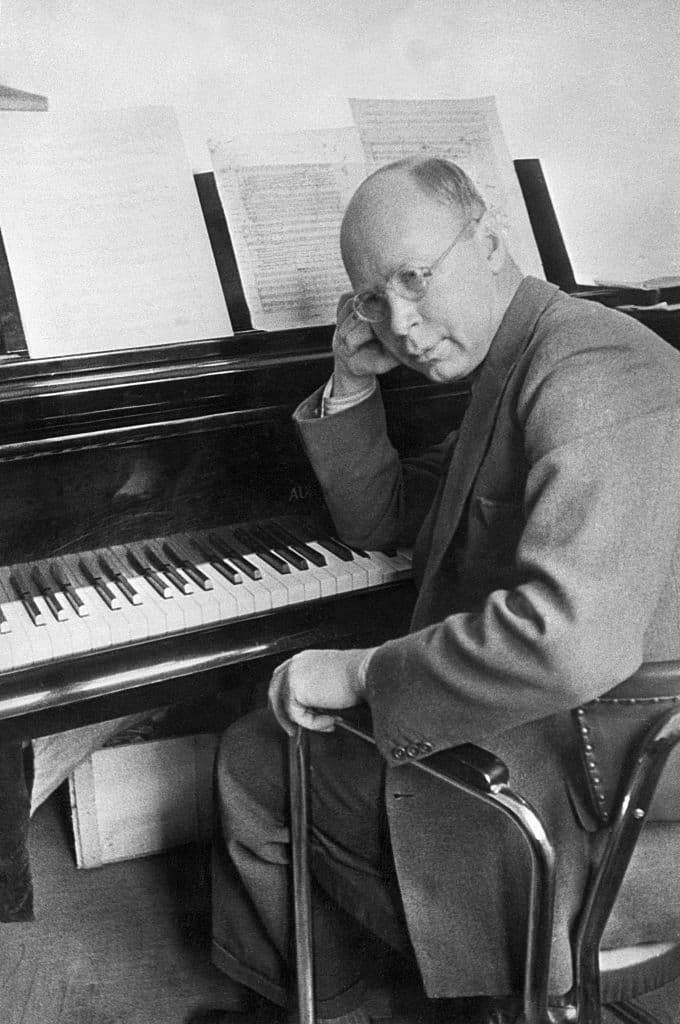
Sergei Prokofiev
Emil Gilels’ collaboration with Sergei Prokofiev became a cornerstone of his contribution to Soviet music. Prokofiev, who returned to the Soviet Union in 1936 after years abroad, composed works that blended modernist tendencies with lyrical and rhythmic vitality.
Gilels premiered several of Prokofiev’s piano compositions, most notably the Piano Sonata No. 8 in B-flat Major, Op. 84, in 1944. This sonata, part of Prokofiev’s “War Sonatas” trilogy, is a monumental work that reflects the turmoil of World War II through its dramatic contrasts and emotional intensity.
Gilels’ premiere performance in Moscow was a triumph, capturing the sonata’s technical demands while conveying its profound narrative arc. His interpretation highlighted the work’s accessibility, and by balancing modernist edge with emotional clarity, Gilels helped audiences, both Soviet and Western, to embrace the sonata as a masterpiece.
Sergei Prokofiev: Piano Sonata No. 8 in B-Flat Major, Op. 84 (Emil Gilels, piano)
Dispelling Myths
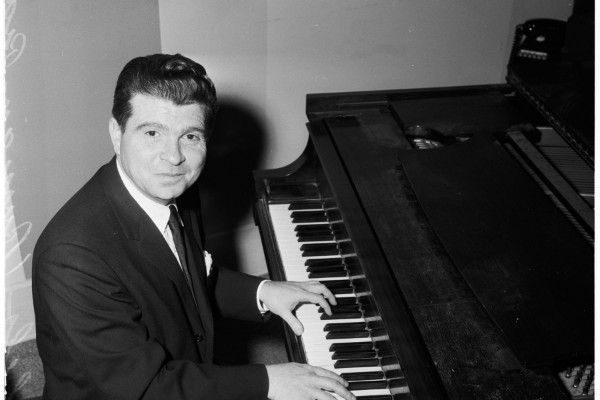
Emil Gilels
The relationship between Gilels and Prokofiev was marked by mutual respect and creative synergy. Prokofiev admired Gilels’ ability to realise his musical intentions, such as the 3rd Piano Concerto, which he performed with commanding authority.
His performances of Prokofiev’s concertos and sonatas during international tours, including his 1955 American debut, introduced these works to Western audiences at a time when Soviet music was often viewed with suspicion.
By presenting Prokofiev’s music with authenticity and passion, Gilels helped dispel stereotypes about Soviet art as mere propaganda, establishing Prokofiev as a universal composer whose works transcended political boundaries.
Emil Gilels plays Prokofiev: Piano Concerto No. 3 in C Major, Op. 26
A Subtle Triumph
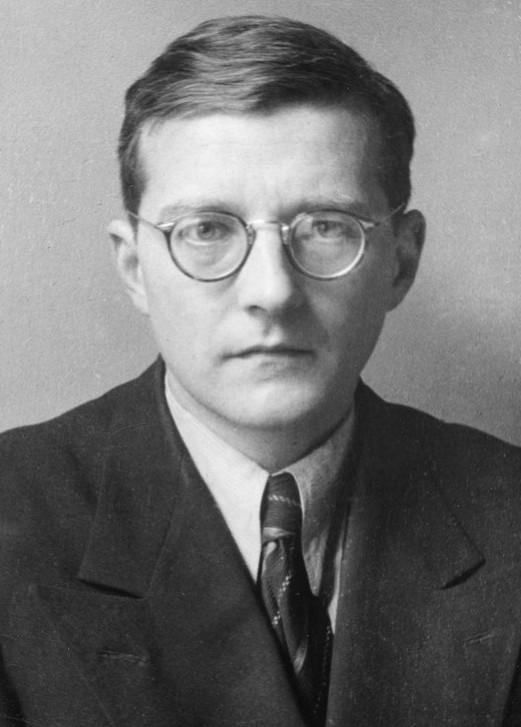
Dmitri Shostakovich
Similarly, Gilels’ association with Dmitri Shostakovich was instrumental in promoting the composer’s piano music. The Piano Concerto No. 2, premiered in 1957, became one of his most enduring contributions to the piano repertoire.
Written for Shostakovich’s son Maxim, the concerto is deceptively light-hearted, with a lyrical slow movement and spirited outer movements that conceal subtle undercurrents of irony. Gilels’ performance brought out the concerto’s charm while hinting at its deeper emotional complexity.
Gilels’ relationship with Shostakovich was less documented than his bond with Prokofiev, but it was equally significant. Shostakovich respected Gilels’ ability to navigate the emotional ambiguities of his music, which often carried coded critiques of Soviet society.
Dmitry Shostakovich: Piano Sonata No. 2 in B Minor, Op. 61 (Emil Gilels, piano)
Cultural Diplomacy
Gilels’ performances of Prokofiev and Shostakovich’s works were not merely technical feats; they were acts of cultural diplomacy. During the Cold War, Soviet artists faced intense scrutiny abroad, with their music often judged through a political lens.
His international tours, particularly his appearances in the United States and Europe, showcased the universality of Soviet music. By presenting these works with authenticity and emotional depth, Gilels helped integrate them into the standard repertoire.
Emil Gilels’ role in premiering Soviet music was a defining aspect of his legacy. Through his collaborations with Prokofiev and Shostakovich, he brought their innovative compositions to life and navigated their technical and emotional complexities with unparalleled artistry. As such, he ensured that their voices would endure.
For more of the best in classical music, sign up for our E-Newsletter





The article distributes the same Neuhaus-promoting urban myths (which I would name direct lies) the Soviets pushed for decades.
Gilels studied in Odessa Conservatory with Berta Reingbald, whom he later named his main and only teacher, in 1930-1935. Flier once said that it was Berta who made Emil the world class pianist.
Reingbald believed Gilels had to move to Moscow for faster development, and brought him there in 1932 for audition with Neuhaus who refused to accept him to Moscow Conservatory.
Few moths later, in 1933, 16 yrs old Gilels won the All-Soviet Competition while still being Reingbald student.
Neuhaus offered him transfer to Moscow Conservatory after this triumph, but Gilels refused. Only after he graduated Odessa in 1935, he moved to Moscow Conservatory where he was assigned to the Neuhaus Post-Graduate class. He already formed as pianist by that time, and by some accounts spent more time with Igumnov there than with Neuhaus.
Around 1955 (don’t remember exact year), after The Art of Piano Playing was published, Gilels even sent Neuhaus letter where he asked to never list him as one of his students.