Clara Schumann (1819–1896) wasn’t just a dazzling pianist and talented composer. She was the ultimate champion of her husband Robert Schumann’s (1810-1856) musical legacy. She was a superstar performer, a sharp-eyed editor, and a passionate cheerleader, all rolled into one.
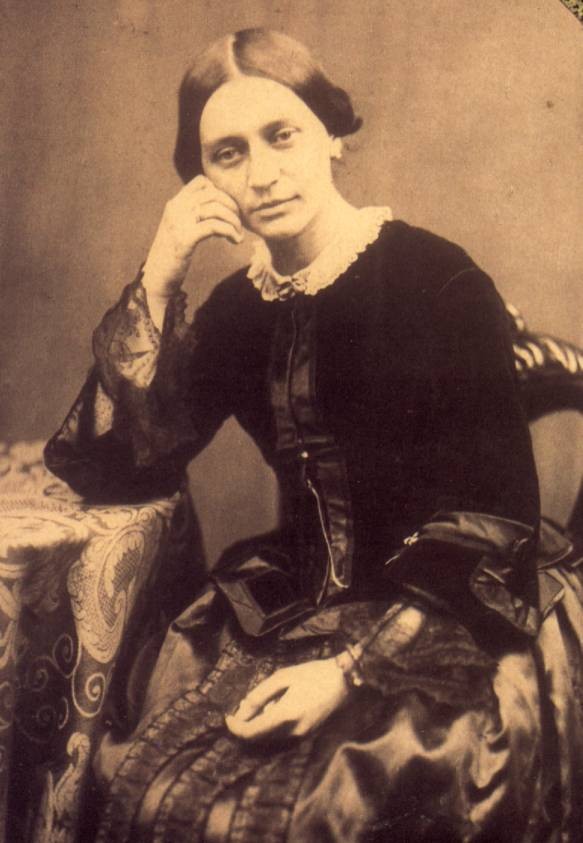
Clara Schumann, 1853
Her contributions extended far beyond the traditional role of a supportive spouse, encompassing active curation, performance, and editorial work that shaped how Robert’s compositions were received and remembered. Clara took his music to new heights, assuring that it shone brightly long after he was gone.
To celebrate her birthday on September 13, let’s explore Clara’s multifaceted role in shaping the legacy of her husband. And since it is her birthday, let’s listen to her music!
Clara Schumann: Three Romances for violin and piano, Op. 22
Clara as Performer
Clara Schumann was a musical prodigy, trained from a young age by her demanding and abusive father, Friedrich Wieck, to become one of Europe’s most acclaimed pianists. Her concert career, which spanned over six decades, provided a platform to promote Robert’s compositions during his life and after his death.
She frequently programmed Robert’s work in her recitals, introducing audiences to his innovative and often unconventional compositions. It was Clara who helped to establish Robert’s music as a staple of the Romantic repertoire.
Clara Schumann: Scherzo No. 2 in C Minor, Op. 14 (Jean-Pierre Armengaud, piano)
Musical Missionary
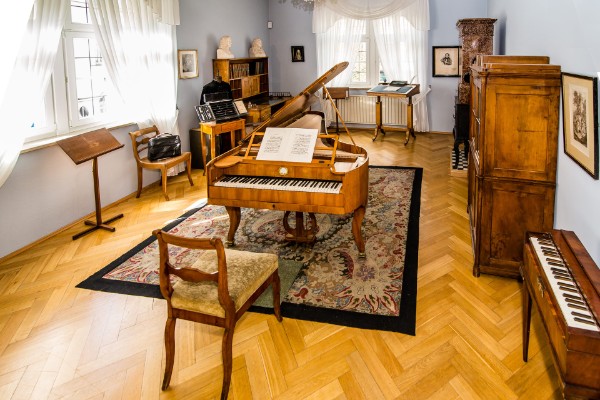
Robert Schumann House in in Zwickau
The scholar Nancy Reich, in her Clara Schumann biography, emphasised Clara’s role as a “musical missionary” for Robert’s works. Clara’s performances were not merely acts of devotion but strategic efforts to secure Robert’s place in the musical canon.
At a time when Robert’s music was often met with mixed reception due to its complex harmonies and introspective nature, Clara’s virtuosity and interpretive depth lent credibility and appeal to his compositions. According to Reich, “her performances bridged the gap between Robert’s avant-garde style and audiences accustomed to more accessible works by composers like Mendelssohn or Chopin.”
Clara’s programming choices were deliberate. She often paired Robert’s works with those of Bach and Beethoven, creating a context that highlighted his genius within the broader classical tradition. By doing so, Clara not only kept Robert’s music in the public ear but also influenced how it was perceived, framing it as both innovative and worthy of serious consideration.
Clara Schumann: 4 Pièces fugitives, Op. 15
Clara the Editor
After Robert’s death in 1856, Clara took on the monumental task of editing and publishing his complete works. This role was critical, as Robert’s mental instability in his final years and his early death left many of his compositions unpublished or incomplete.
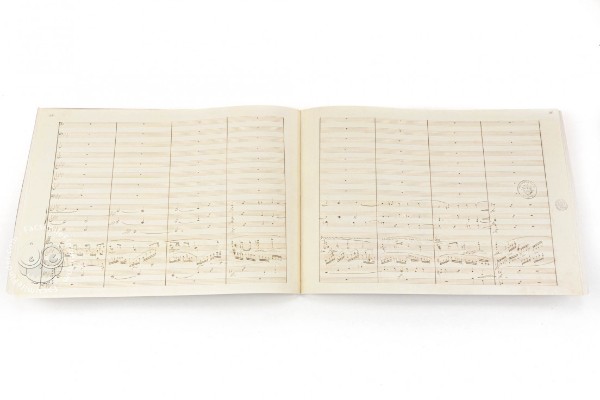
Clara, often in collaboration with Johannes Brahms, meticulously edited Robert’s manuscripts, ensuring their accuracy and accessibility for future generations. Her work as an editor was not merely technical but interpretive, as she made decisions about which versions of his works to prioritize and how to present them.
The complete edition of Robert Schumann’s works was the direct result of Clara’s efforts.
She worked tirelessly to organize his manuscripts, correct errors, and provide performance instructions that reflected her intimate understanding of his musical intentions.
Clara Schumann: 6 Lieder, Op. 13: No. 2. Sie liebten sich beide (Sandra Porter, mezzo-soprano; Graeme McNaught, piano)
Editorial Choices
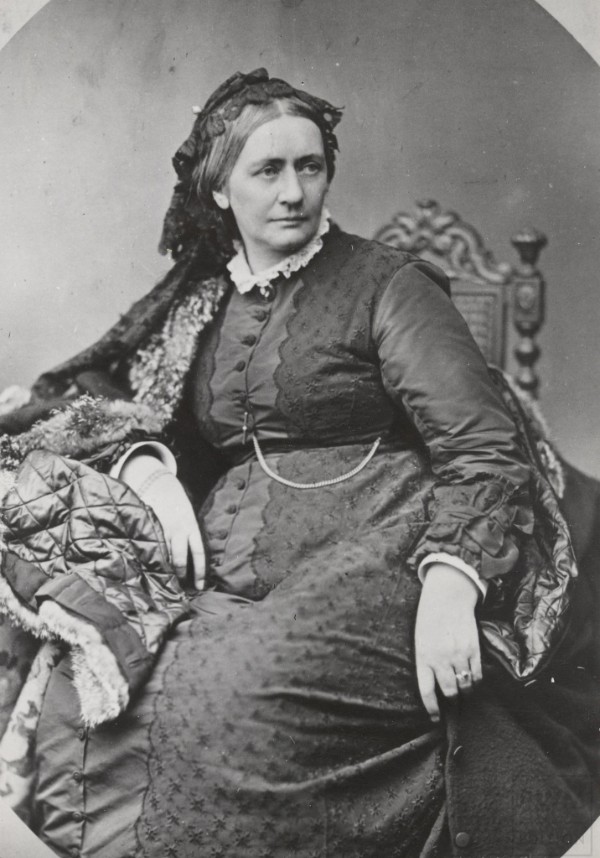
Clara Schumann
Scholar Jon W. Finson noted that “her decisions often shaped the definitive versions of Robert’s works.” For example, in editing Robert’s Dichterliebe, Op. 48, “Clara made subtle adjustments to dynamics and phrasing, drawing on her experience performing the cycle to enhance its emotional clarity.”
Clara’s editorial choices were not without controversy. Some scholars argue that she occasionally “smoothed out” Robert’s more experimental passages to make them more palatable to contemporary audiences.
This is specifically true in her editions of Robert’s late works, as she “tempered his idiosyncratic orchestration to align with prevailing tastes.” While this ensured the work’s immediate acceptance, it also sparked debates about Clara diluting Robert’s original vision.
Nevertheless, her editorial work was instrumental in making Robert’s music widely available, cementing his reputation as a leading Romantic composer.
Clara Schumann’s arrangements of Robert Schumann’s Lieder
Clara the Cultural Advocate
Beyond her roles as performer and editor, Clara shaped Robert’s legacy through her efforts to construct and maintain his public image. During Robert’s lifetime, Clara acted as his intermediary with publishers, critics, and fellow musicians. Essentially, she leveraged her own fame to bolster his career.
After his death, Clara continued to advocate for his music, ensuring it remained a central part of the Romantic canon. Her correspondence with figures like Brahms, Joseph Joachim, and music critic reveals her strategic effort to promote Robert’s works and defend his reputation against detractors.
Clara Schumann: “Ich stand in dunklen Träumen” Op. 13, No. 1
Clara’s Memoirs
Clara’s memoirs and letters have been thoroughly analysed by scholar Beatrix Borchard. They reveal Clara’s conscious efforts to craft a narrative of Robert as a misunderstood genius. She emphasised his innovation and emotional depth, countering criticism that his music was overly complex or inaccessible.
For example, Clara’s advocacy helped shift the perception of Robert’s late work, which was initially dismissed as a product of his mental decline. By championing pieces like the Piano Trio No. 3 in G Minor, Op. 110, she encouraged a re-evaluation that has since led to their critical acclaim.
Clara also played a key role in establishing the Schumann Haus in Leipzig and later in Zwickau, ensuring that Robert’s manuscripts, letters, and personal effects were preserved for posterity. These projects were not merely sentimental but part of a broader effort to institutionalise Robert’s legacy. She created physical and intellectual spaces for his work, ensuring that future generations would engage with his contributions.
Clara Schumann: Piano Sonata in G Minor (Franz Vorraber, piano)
Clara’s Compositional Influence
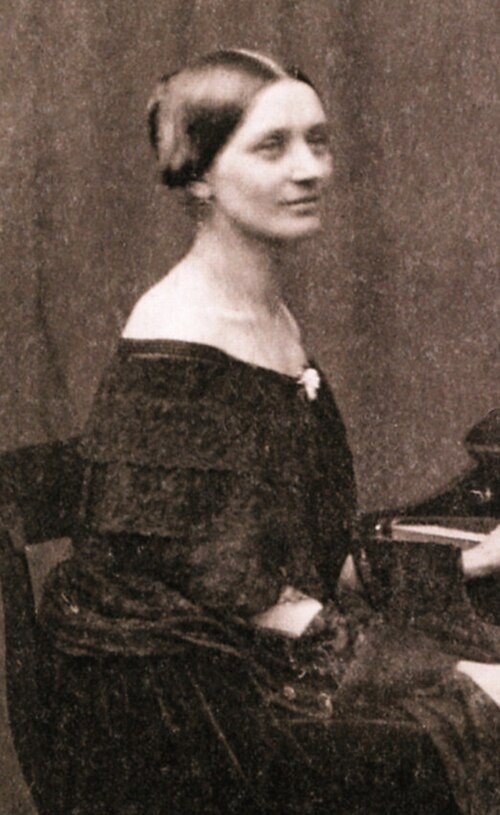
Clara Schumann
As a virtuoso pianist and accomplished composer, Clara exerted a profound influence on the compositional output of her husband. In fact, she shaped his stylistic development and musical output through her own compositions, pianistic expertise, and collaborative partnership.
Clara’s compositional style is marked by lyrical expressiveness, structural clarity, and technical virtuosity, elements that resonated deeply with Robert’s artistic ideals. Her Piano Concerto in A minor, as Nancy Reich has shown, balances emotional depth and formal discipline, exactly the qualities that align closely with Robert’s own aspirations.
Clara’s ability to craft concise and emotive melodies, as we can hear in her Three Romances for Piano, likely encouraged Robert to refine his melodic writing. Scholars have suggested that Robert’s piano cycles reflect a similar lyrical intensity and economy of expression, suggesting Clara’s influence in moving Robert toward more focused thematic development.
Clara Schumann: 3 Romances, Op. 11, No. 2 in G minor
Clara the Pianist
As a pianist of unparalleled skill, Clara significantly shaped Robert’s approach to piano composition. Her technical virtuosity and nuanced expressiveness informed the idiomatic writing in Robert’s piano-centric works. The Piano Concerto in A minor, Op. 54 (1845), premiered by Clara, exemplifies this influence, with its virtuosic yet lyrical passages tailored to her interpretive strengths.
Clara’s performances of Robert’s works, including his Études Symphoniques, Op. 13, likely guided his compositional choices, ensuring the piano writing highlighted her dynamic range and expressive capabilities. Her influence is further evident in the concerto’s integration of solo and orchestral forces, which mirrors the dialogic textures of Clara’s own chamber music, such as her Piano Trio in G minor, Op. 17.
Clara Schumann: Piano Trio in G minor, Op. 17
A Collaborative Partner
We must not forget Clara’s role as a collaborative partner. The couple’s correspondence reveals frequent exchanges of musical ideas, with Clara offering critical feedback on Robert’s manuscripts.
Their joint compositional efforts, such as the 12 Lieder, Op. 37 reflect a shared sensitivity to text setting, with Clara’s own lieder demonstrating a nuances interplay between voice and piano that influences Robert’s song cycles like Dichterliebe, Op. 48. In chamber music, Clara’s sophisticated interplay of instruments and dramatic intensity helped to shape Robert’s structural innovations.
Clara Schumann’s influence on Robert Schumann’s compositions was profound, encompassing stylistic inspiration, pianistic expertise, and collaborative exchange. Her lyrical precision, technical insight, and critical feedback enriched Robert’s works, from his piano cycles to his lieder and chamber music. While Robert’s genius remains distinct, Clara’s contributions as a composer and collaborator were integral to his creative development.
Clara Schumann: “Warum willst Du and’re fragen,” Op. 12, No. 11
Challenges and Criticism
Clara Schumann’s pivotal role in preserving and promoting Robert Schumann’s musical legacy was not without significant challenges and scholarly criticisms. Her editorial decisions, such as revising Robert’s scores for publication, occasionally sparked debate for potentially altering his original intentions.
Additionally, Clara’s portrayal of Robert as a tragic, Romantic genius, while effective in securing his posthumous reputation, often obscured the complexities of his personality and mental health struggles. John Daverio argues that Clara’s efforts actually sanitised Robert’s image.
Emphasising his artistic purity while downplaying his psychological instability contributed to “a romanticised narrative that overlooked his human flaws and the nuanced interplay between his mental state and creative output.” This idealised depiction, while cementing Robert’s place in the canon, sometimes distanced his legacy from historical accuracy.
Clara Schumann: Nocturne Op. 6, No. 2
Personal Cost
Clara’s dedication to Robert’s legacy came at a significant personal cost, raising critical questions about the gendered dynamics of their partnership. Her focus on performing and editing Robert’s works, particularly after his death in 1856, limited the time and energy she could devote to her own compositions.
Nancy Reich highlights how societal expectations of women in the 19th century, combined with Clara’s self-imposed duty to uphold Robert’s legacy, marginalised her own creative voice, reflecting broader gender inequities in the musical world. This tension underscores the complex interplay between her roles as a wife, mother, performer, and composer.
Despite these critiques, Clara’s contributions to Robert’s legacy were extraordinary in their scope and enduring impact. Her tireless performances of his works, meticulous editorial efforts, and advocacy ensured that Robert’s music, which faced critical ambivalence during his lifetime and might have faded after his early death, became a cornerstone of the Romantic repertoire.
Clara Schumann: Variations on a Theme by Robert Schumann, Op. 20 (Franzpeter Goebels, piano)
Clara’s Enduring Impact
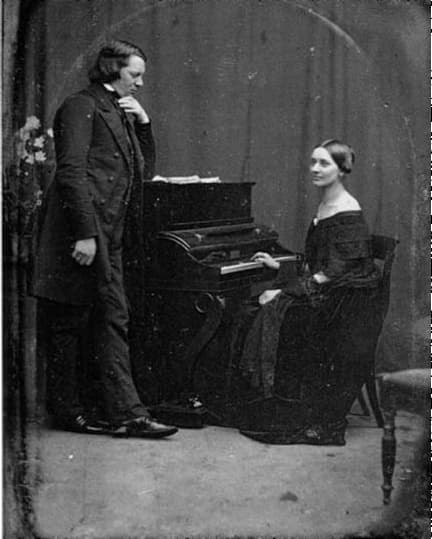
Robert and Clara Schumann
As Hugh Macdonald writes, “Clara’s international concert tours, where she championed Robert’s compositions, introduced his music to diverse audiences, while her editorial work with publishers like Breitkopf & Härtel standardised his oeuvre for posterity.”
Her efforts created a lasting framework for appreciating Robert’s genius, influencing generations of musicians and shaping the reception of Romantic music. Clara’s legacy, therefore, is not only one of sacrifice but also of unparalleled agency in securing Robert Schumann’s place in musical history.
For more of the best in classical music, sign up for our E-Newsletter